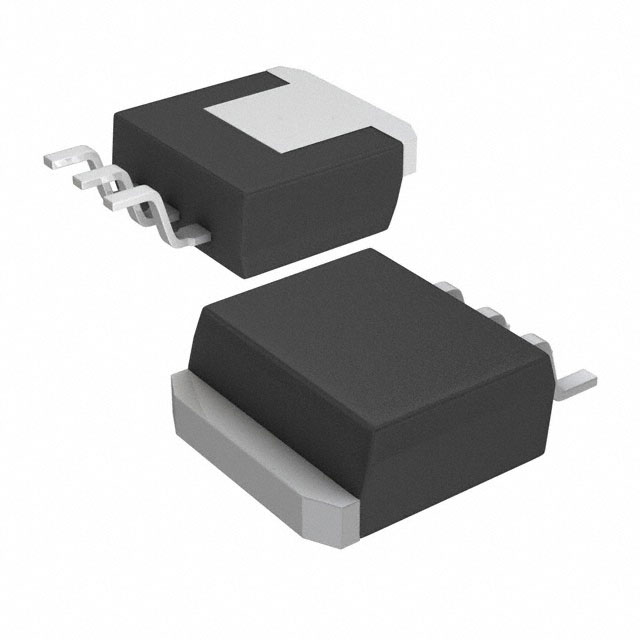
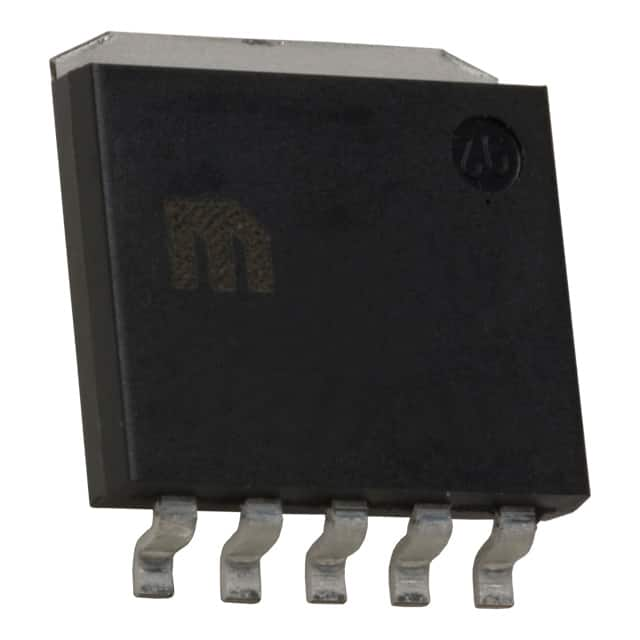
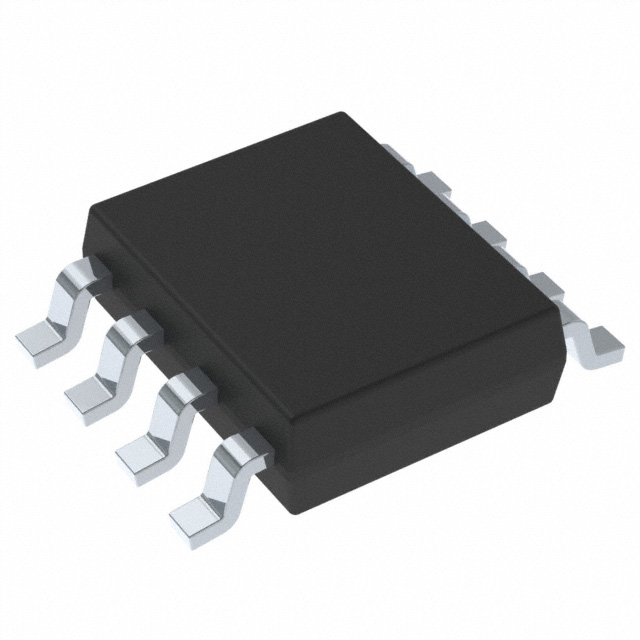
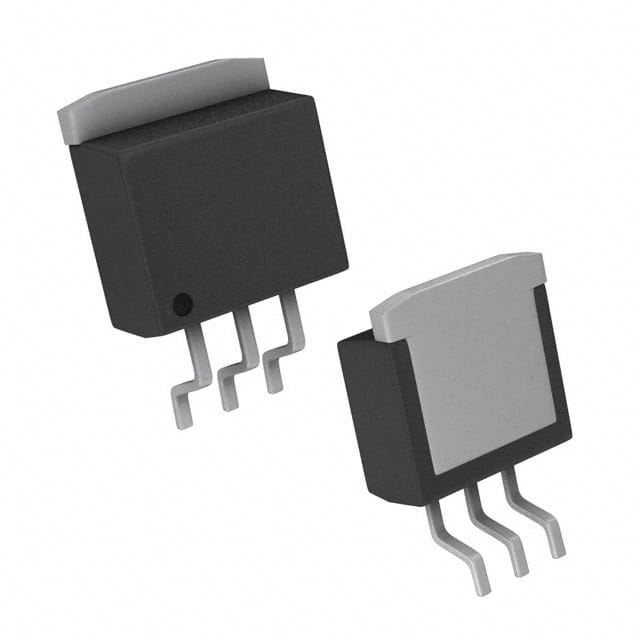
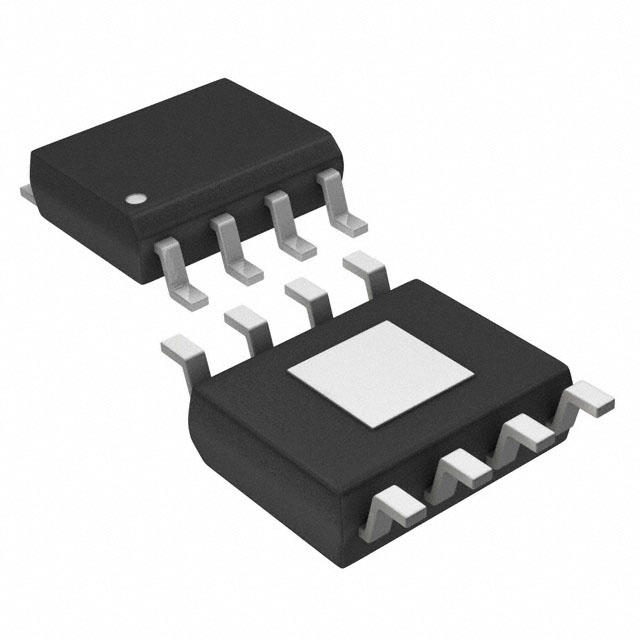
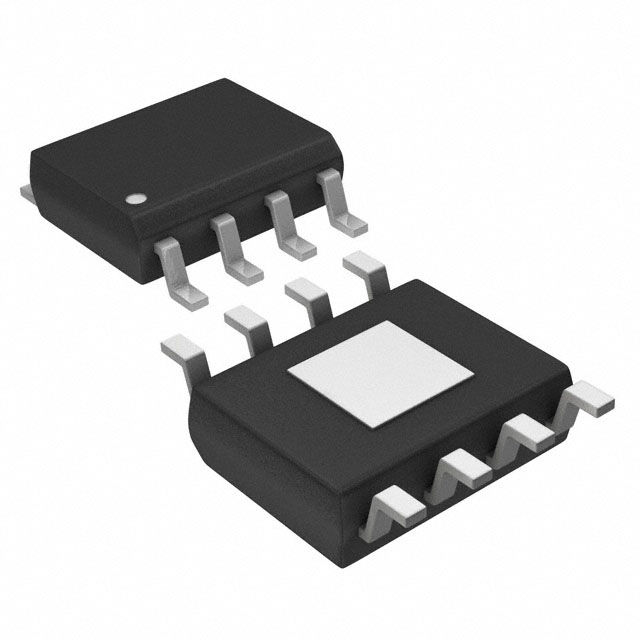
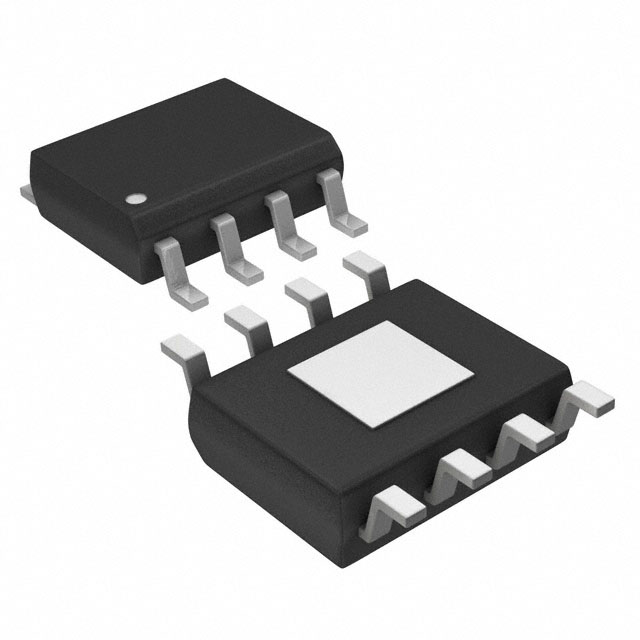
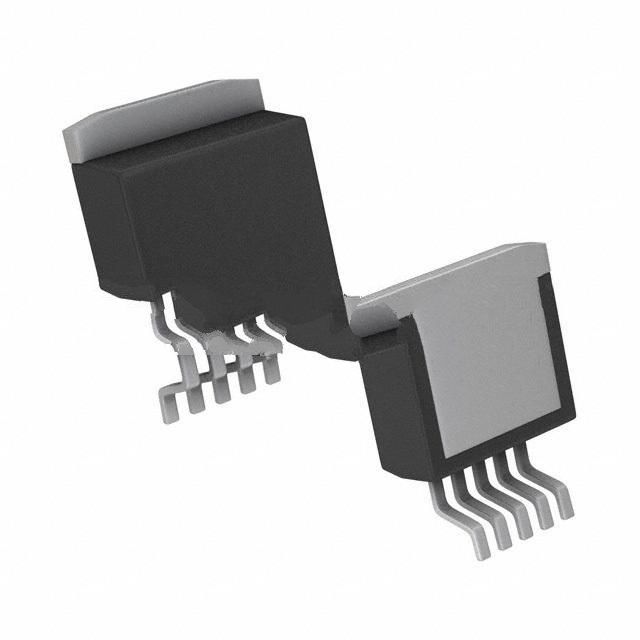
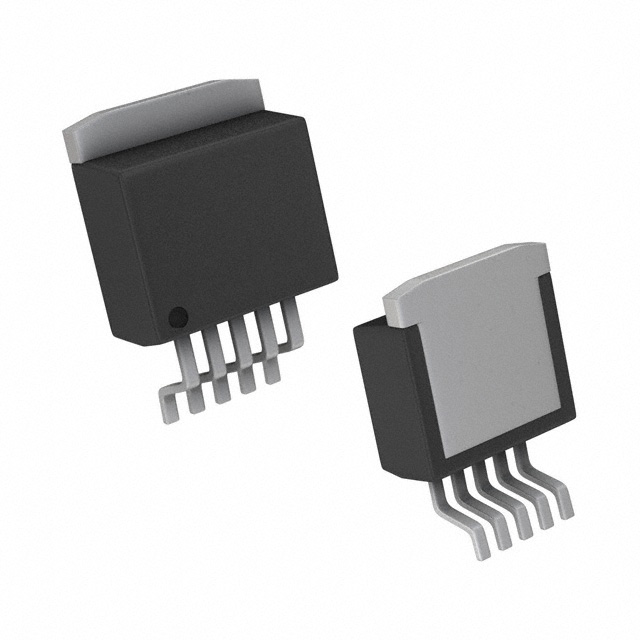
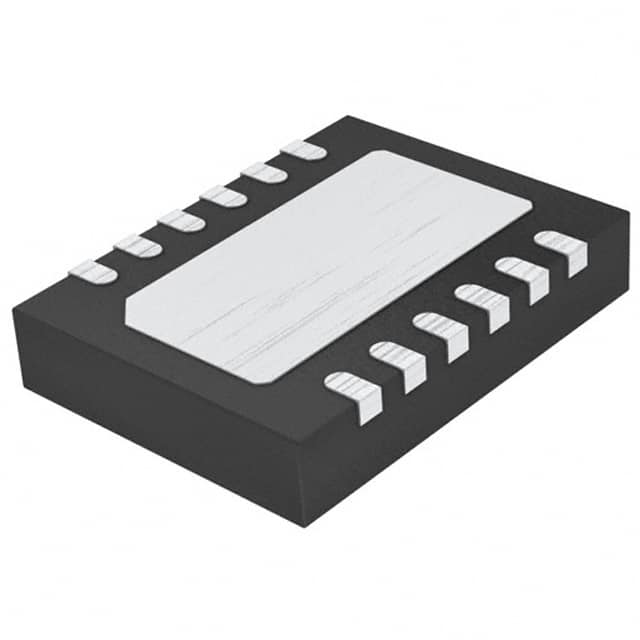
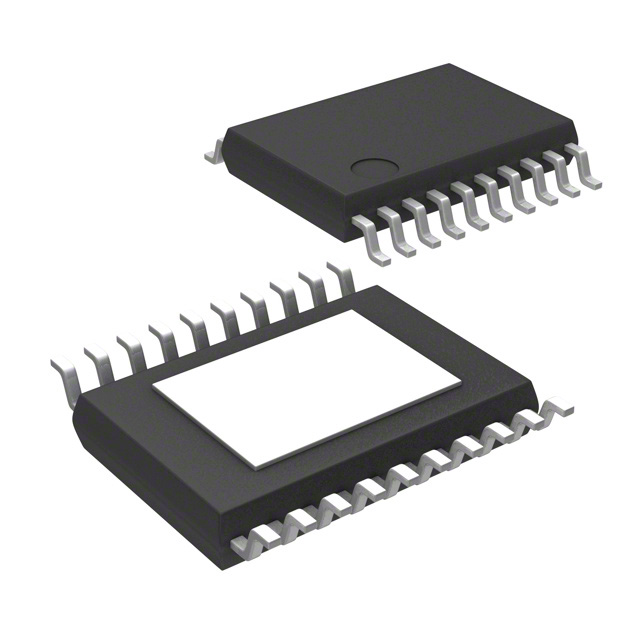
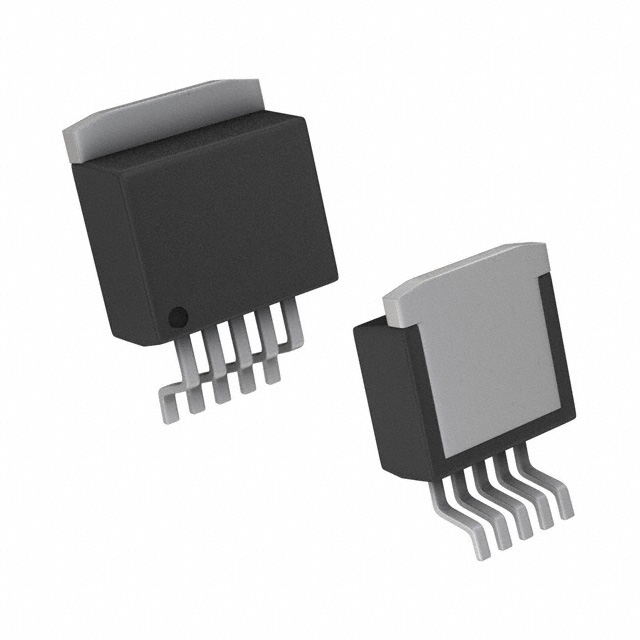
Analog Devices Inc. LT1762EMS8-3#PBF
- LT1762EMS8-3#PBF
- Analog Devices Inc.
- IC REG LINEAR 3V 150MA 8MSOP
- PMIC - Voltage Regulators - Linear
- LT1762EMS8-3#PBF Datasheet
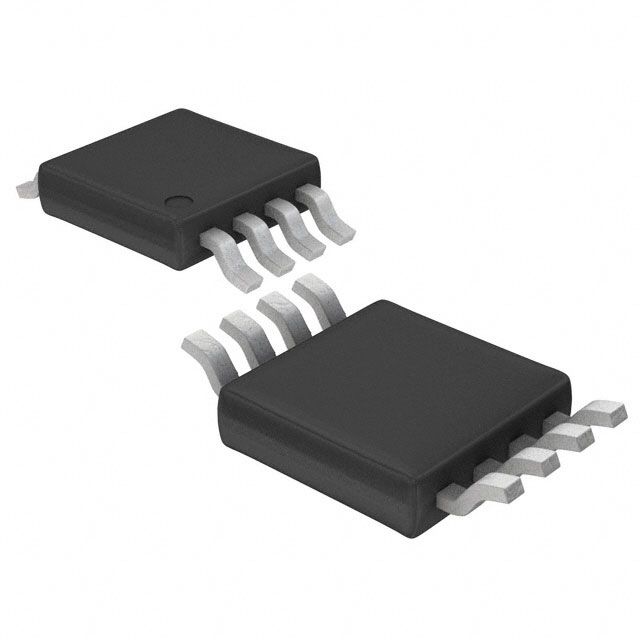
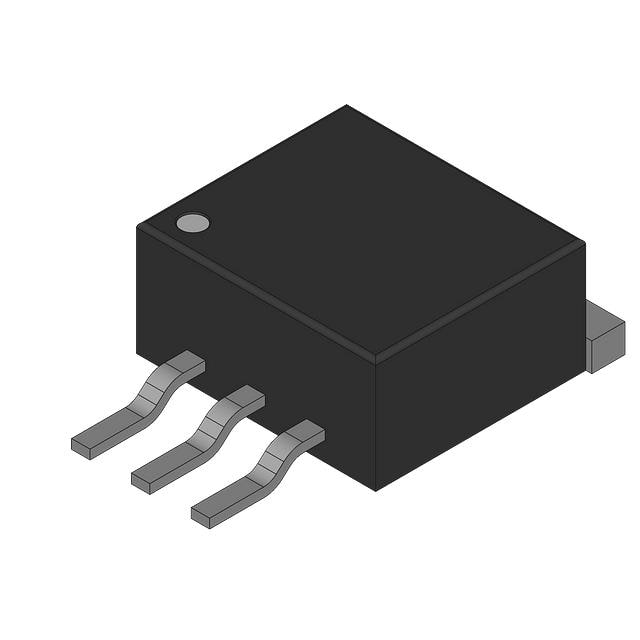
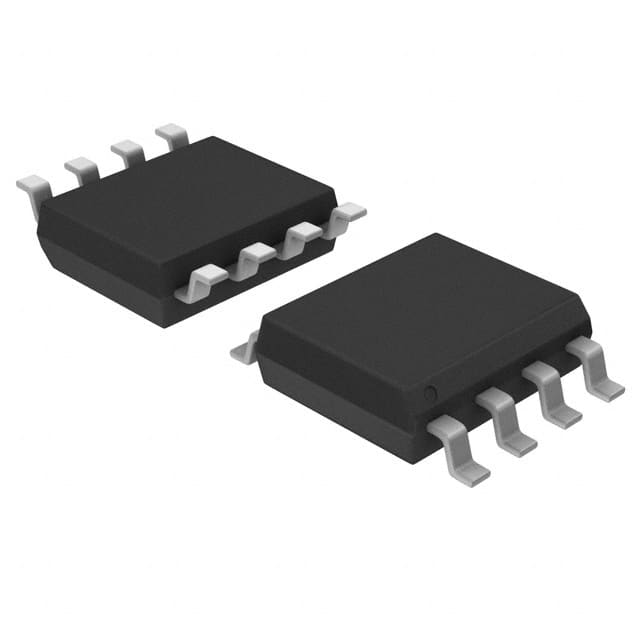
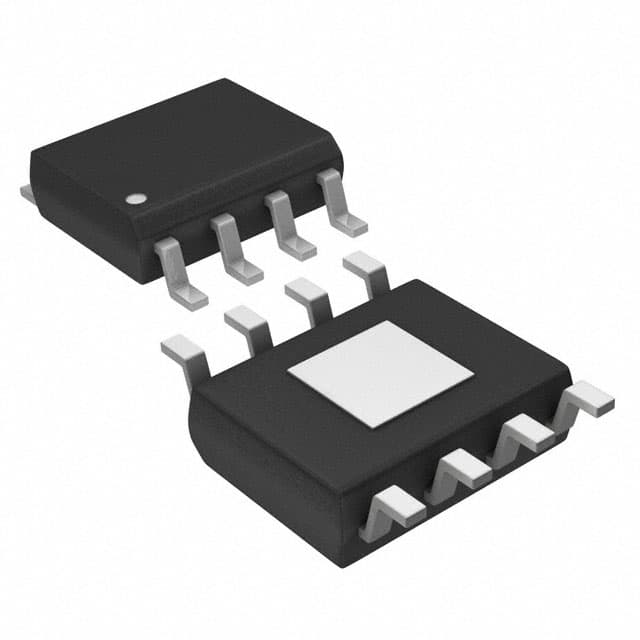
- 8-TSSOP, 8-MSOP (0.118\", 3.00mm Width)
- Tube
-
Lead free / RoHS Compliant - 2812
- Spot Inventory / Athorized Dstributor / Factory Excess Stock
- 1 year quality assurance 》
- Click to get rates
What is LT1762EMS8-3#PBF
Analog Devices Inc. Part Number LT1762EMS8-3#PBF(PMIC - Voltage Regulators - Linear), developed and manufactured by Analog Devices Inc., distributed globally by Jinftry. We distribute various electronic components from world-renowned brands and provide one-stop services, making us a trusted global electronic component distributor.
LT1762EMS8-3#PBF is one of the part numbers distributed by Jinftry, and you can learn about its specifications/configurations, package/case, Datasheet, and other information here. Electronic components are affected by supply and demand, and prices fluctuate frequently. If you have a demand, please do not hesitate to send us an RFQ or email us immediately [email protected] Please inquire about the real-time unit price, Data Code, Lead time, payment terms, and any other information you would like to know. We will do our best to provide you with a quotation and reply as soon as possible.
LT1762EMS8-3#PBF Specifications
- Part NumberLT1762EMS8-3#PBF
- CategoryPMIC - Voltage Regulators - Linear
- ManufacturerAnalog Devices Inc.
- DescriptionIC REG LINEAR 3V 150MA 8MSOP
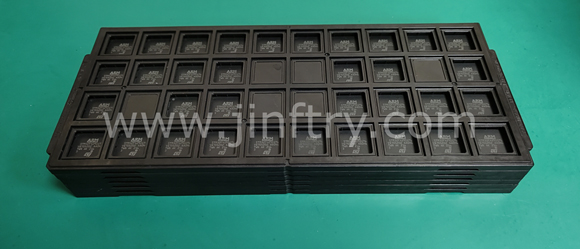
- PackageTube
- Series-
- Operating Temperature-40°C ~ 125°C
- Mounting TypeSurface Mount
- Package / Case8-TSSOP, 8-MSOP (0.118\", 3.00mm Width)
- Supplier Device Package8-MSOP
- Output TypeFixed
- Voltage - Output (Min/Fixed)3V
- Voltage - Output (Max)-
- Current - Output150mA
- Output ConfigurationPositive
- Control FeaturesEnable
- Voltage - Input (Max)20V
- Number of Regulators1
- Voltage Dropout (Max)0.4V @ 150mA
- Current - Quiescent (Iq)-
- Current - Supply (Max)-
- PSRR65dB (120Hz)
- Protection FeaturesOver Current, Over Temperature, Reverse Polarity
Application of LT1762EMS8-3#PBF
LT1762EMS8-3#PBF Datasheet
LT1762EMS8-3#PBF Datasheet , Tube,-40°C ~ 125°C,Surface Mount,8-TSSOP, 8-MSOP (0.118\", 3.00mm Width),8-MSOP,Fixed,3V,150mA,Positive,Enable,20V,1,0.4V @ 150mA,65dB (120Hz),Over Current, Over Temperature, Reverse Polarity
LT1762EMS8-3#PBF Classification
PMIC - Voltage Regulators - Linear
FAQ about PMIC - Voltage Regulators - Linear
-
1. What are the disadvantages of linear regulators?
The disadvantage of linear regulators is that they are not efficient and can only be used in voltage reduction applications. The efficiency of a linear regulator depends on the ratio of output voltage to input voltage: turbidity = Vo: Vi. For example, for ordinary linear regulators, when the input voltage is 5V and the output voltage is 2.5V, the efficiency is only 50%. For ordinary linear regulators, about 50% of the electrical energy is converted into "heat" and lost, which is also the main reason why ordinary linear regulators are prone to heat when working. For LDO, due to its low voltage difference, the efficiency is much higher. For example, when the input voltage is 3.3V and the output voltage is 2.5V, its efficiency can reach 76%. Therefore, in LCD color TVs, in order to improve the utilization rate of electrical energy, ordinary linear regulators are used less, while LDOs are used more.
-
2. Which is better, switching power supply or linear regulator?
Switching power supply and linear regulator each have their advantages and disadvantages, and choosing which one is better depends on the specific application requirements.
The main advantages of switching power supply include:
High efficiency: The conversion efficiency of switching power supply can reach 90%~95%, which is much higher than the 30% or so of linear regulator.
Small size and light weight: Due to the high efficiency and high-efficiency transformer of switching power supply, large heat sink can be omitted, and high-frequency transformer replaces power frequency transformer, greatly reducing volume and weight.
Wide voltage regulation range: The output voltage of switching power supply can compensate for the change of input voltage by adjusting the duty cycle to ensure stable output voltage.
Various circuit forms: Designers can design switching power supplies that meet the needs according to different application scenarios.
However, switching power supplies also have so -
3. What is the minimum input voltage of a linear regulator?
The minimum input voltage range of linear regulator varies from model and application.
For certain low -voltage lower -voltage regulators, its minimum input voltage range is usually 2.5V to 2.7V. This type of regulator design is used to power the internal LDO drive circuit and can drive PMOS FET to provide high output current. However, when the output voltage is lower than 1.8V and the output current is greater than 2.5A, the linear regulator with PMOS bypass components may be used for external heat dissipation due to additional air flow requirements and/or the heat generated by the regulator. It becomes inconvenient and the cost will increase.
For universal linear stabilizers, its input voltage range can be very wide. For example, some general -purpose linear regulators have 3V to 40V input voltage range. Even for models suitable for 24V systems, the input maximum voltage can reach 60V Then, then
In summary, the minimum input voltage of the linear regulator does not have a fixed st
We are a professional PCB manufacturer who offers comprehensive PCB manufacturing services including: professional Ceramic PCB HDI PCB Heavy Copper PCB High-TG PCB High Speed PCB High Frequency PCB Metal Core PCB PCB fabrication and PCB assembly, providing fast turnaround prototypes for high-end products.
• Prompt Responsiveness
• Guaranteed Quality
• Global Access
• Competitive Market Price
• One-Stop support services of supply chain
Jinftry, Your most trustworthy component supplier, welcome to send us the inquiry, thank you!
Do you have any questions about LT1762EMS8-3#PBF ?
Feel free to contact us: