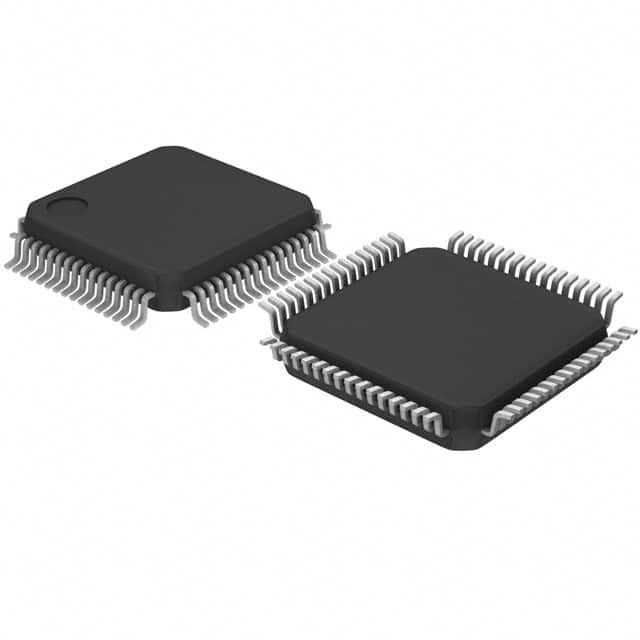
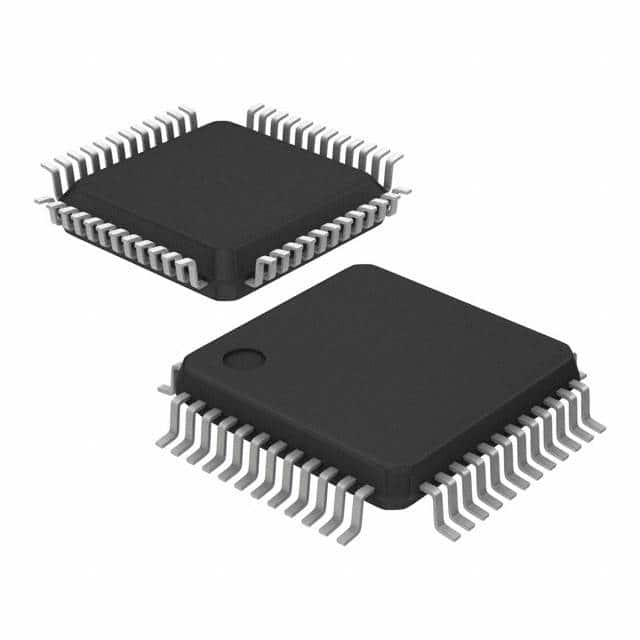
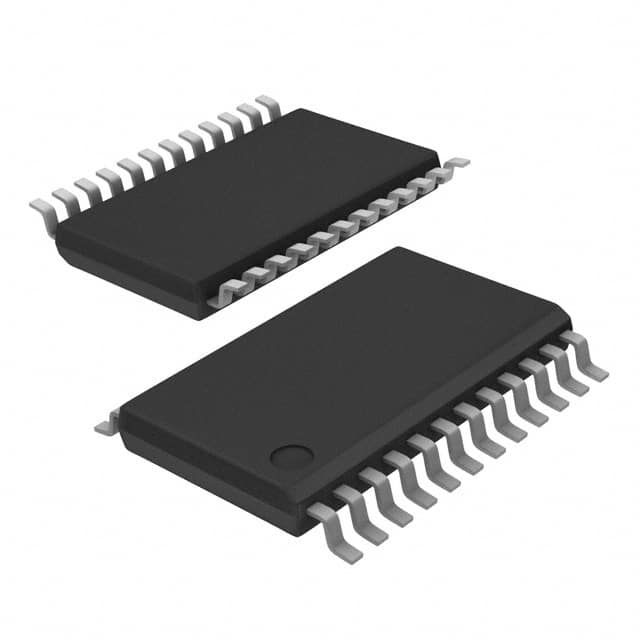
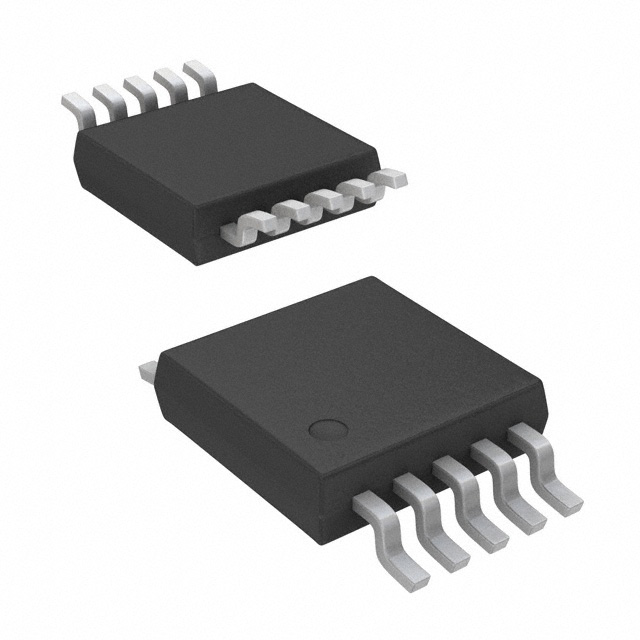
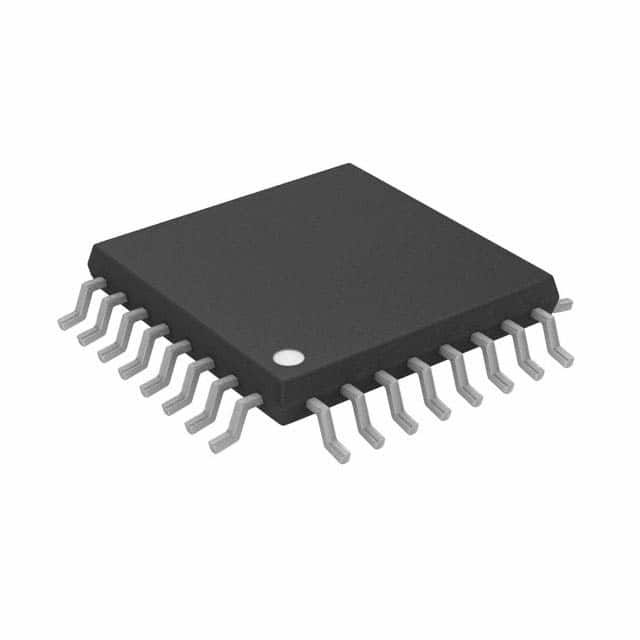
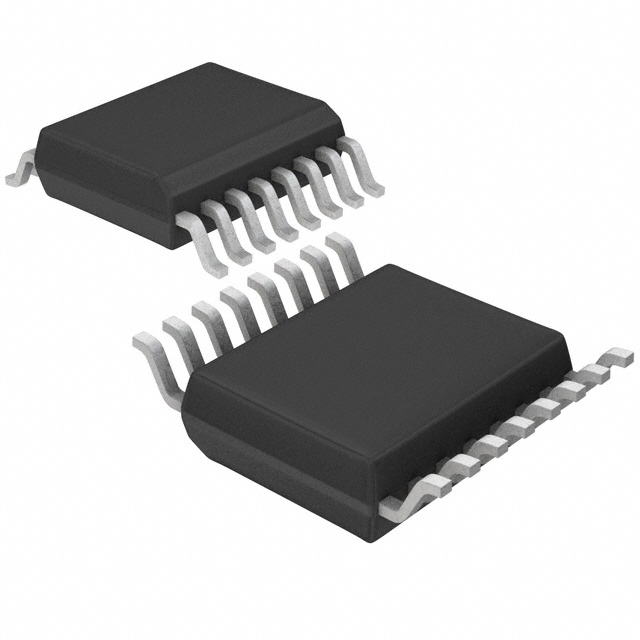
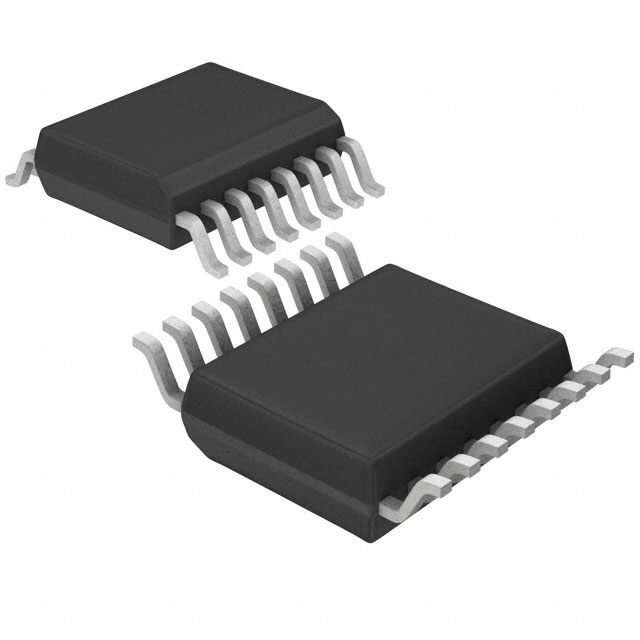
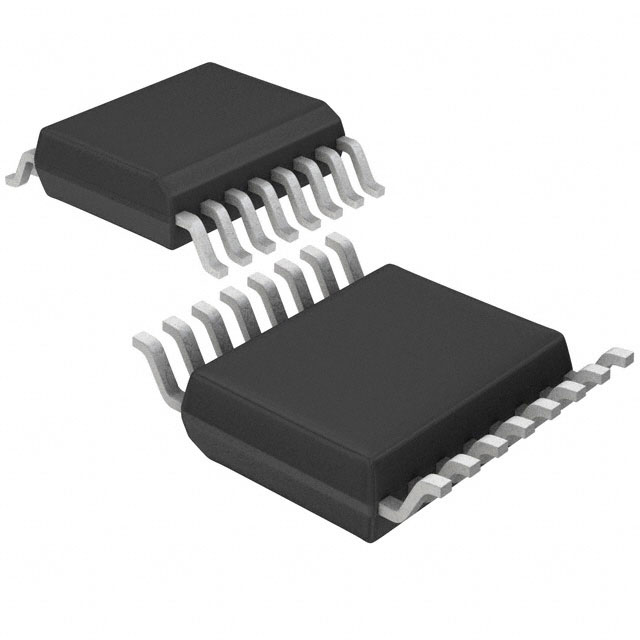
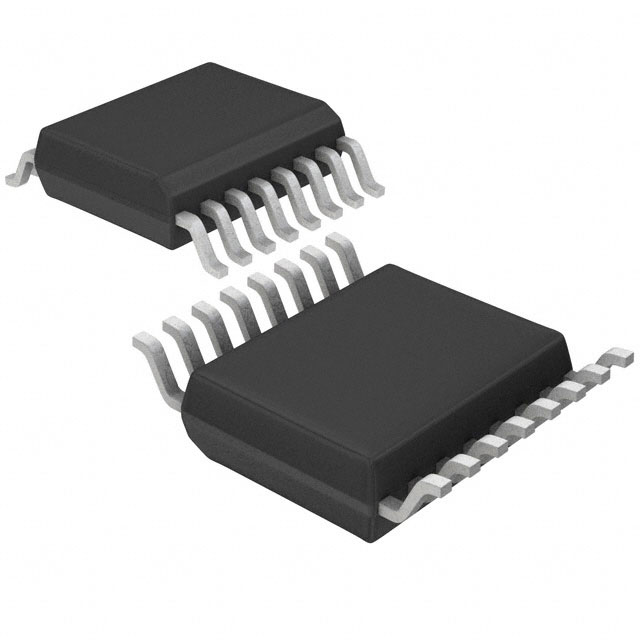
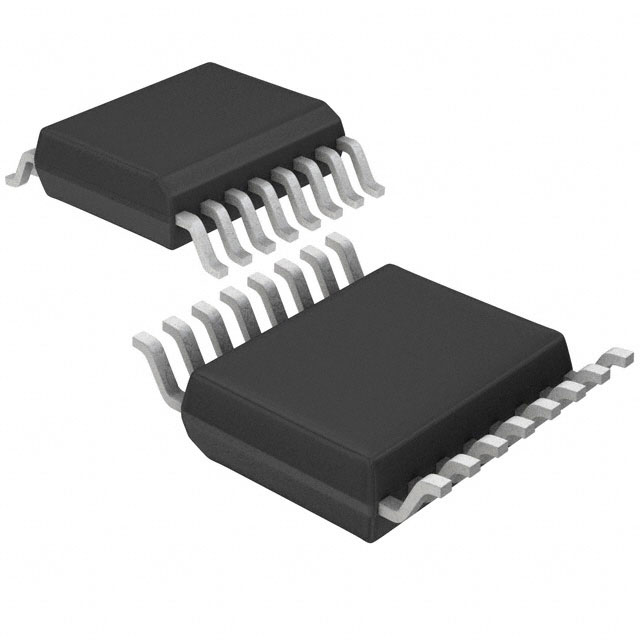
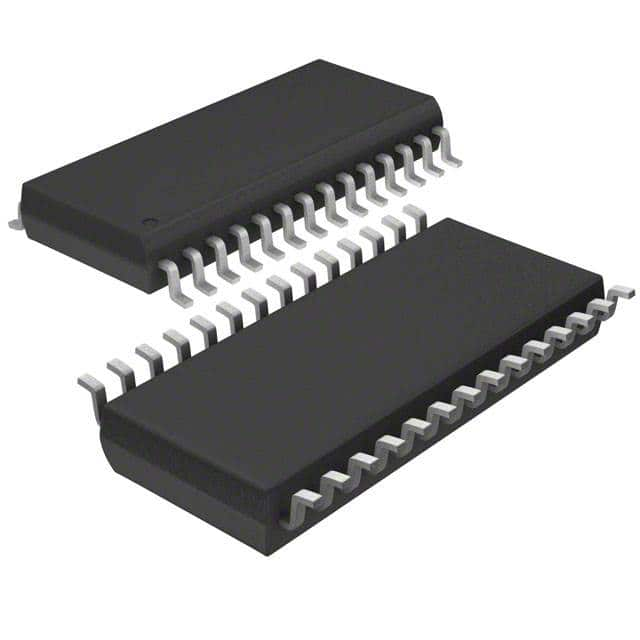
Analog Devices Inc. LTC1867IGN#PBF
- LTC1867IGN#PBF
- Analog Devices Inc.
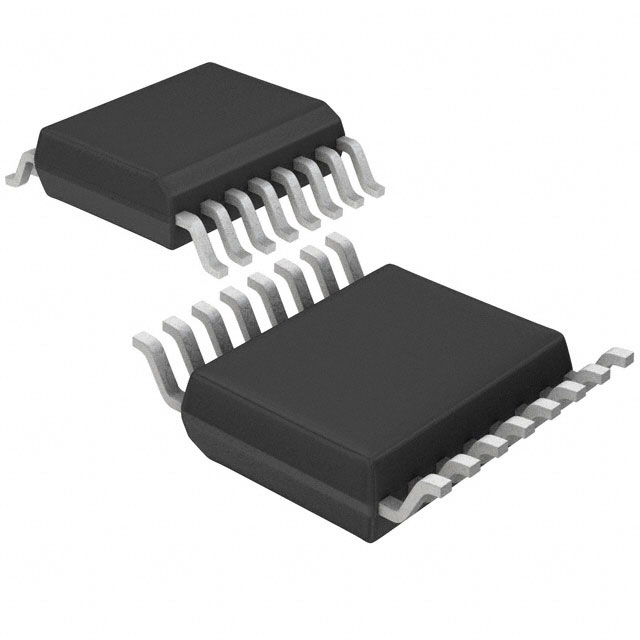
- IC ADC 16BIT SAR 16SSOP
- Data Acquisition - Analog to Digital Converters (ADC)
- LTC1867IGN#PBF Datasheet
- 16-SSOP (0.154\", 3.90mm Width)
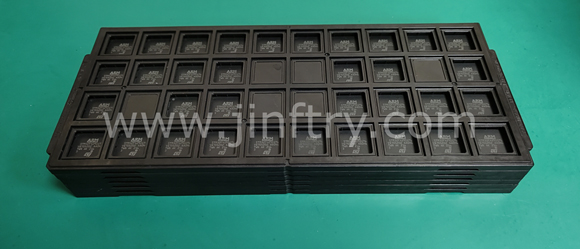
- Bulk
-
Lead free / RoHS Compliant - 3429
- Spot Inventory / Athorized Dstributor / Factory Excess Stock
- 1 year quality assurance 》
- Click to get rates
What is LTC1867IGN#PBF
Analog Devices Inc. Part Number LTC1867IGN#PBF(Data Acquisition - Analog to Digital Converters (ADC)), developed and manufactured by Analog Devices Inc., distributed globally by Jinftry. We distribute various electronic components from world-renowned brands and provide one-stop services, making us a trusted global electronic component distributor.
LTC1867IGN#PBF is one of the part numbers distributed by Jinftry, and you can learn about its specifications/configurations, package/case, Datasheet, and other information here. Electronic components are affected by supply and demand, and prices fluctuate frequently. If you have a demand, please do not hesitate to send us an RFQ or email us immediately [email protected] Please inquire about the real-time unit price, Data Code, Lead time, payment terms, and any other information you would like to know. We will do our best to provide you with a quotation and reply as soon as possible.
LTC1867IGN#PBF Specifications
- Part NumberLTC1867IGN#PBF
- CategoryData Acquisition - Analog to Digital Converters (ADC)
- ManufacturerAnalog Devices Inc.
- DescriptionIC ADC 16BIT SAR 16SSOP
- PackageBulk
- Series-
- Features-
- Operating Temperature-40°C ~ 85°C
- Mounting TypeSurface Mount
- Package / Case16-SSOP (0.154\", 3.90mm Width)
- Supplier Device Package16-SSOP
- Reference TypeExternal, Internal
- Sampling Rate (Per Second)200k
- Data InterfaceSPI
- Number of Bits16
- Voltage - Supply, Analog5V
- Voltage - Supply, Digital5V
- Number of Inputs8
- Input TypeDifferential, Single Ended
- ConfigurationMUX-S/H-ADC
- Ratio - S/H:ADC1:1
- Number of A/D Converters1
- ArchitectureSAR
Application of LTC1867IGN#PBF
LTC1867IGN#PBF Datasheet
LTC1867IGN#PBF Datasheet , Bulk,-40°C ~ 85°C,Surface Mount,16-SSOP (0.154\", 3.90mm Width),16-SSOP,External, Internal,200k,SPI,16,5V,5V,8,Differential, Single Ended,MUX-S/H-ADC,1:1,1,SAR
LTC1867IGN#PBF Classification
Data Acquisition - Analog to Digital Converters (ADC)
FAQ about Data Acquisition - Analog to Digital Converters (ADC)
-
1. Why do we need analog-to-digital converters?
The reasons why we need analog-to-digital converters mainly include the following:
Digital system processing: Many computers and electronic devices are digital systems, which are more suitable for processing digital signals. Analog signals are difficult to process in digital systems, and after analog-to-digital conversion, the signals can be represented, stored and processed in digital form.
Noise immunity: Digital signals are more noise-resistant than analog signals. Digital signals can be protected and restored by means such as error correction codes, while analog signals are easily interfered by noise.
Accuracy: Digital signals are more accurate because they can be represented with higher resolution. Analog signals have accuracy limitations, and analog-to-digital conversion can improve the resolution of the signal.
Application scenarios: Analog-to-digital converters are widely used in many fields, including automatic control systems, audio and video processing, sensor interfaces -
2. What is the principle of analog-to-digital converters?
The working principle of the analog-to-digital converter (ADC) is to convert analog signals into digital signals through four processes: sampling, holding, quantization, and encoding.
The main components of the analog-to-digital converter include samplers and quantizers, which work together to convert continuous analog signals into discrete digital signals. This process requires a reference analog quantity as a standard, and the maximum convertible signal size is usually used as the reference standard. The basic principles of the analog-to-digital converter can be summarized as follows:
Sampling: The analog-to-digital converter first samples the input analog signal through a sampling circuit, that is, discretizes the analog signal on the time axis.
Holding: The sampled signal is held by the holding circuit for the next quantization and encoding process.
Quantization: The quantization process is to divide the amplitude of the sampled and held analog signal into a finite number of le -
3. What is the difference between ADC and DAC?
The main difference between ADC and DAC is that they process different types of signals and conversion directions.
The main function of an ADC (analog-to-digital converter) is to convert analog signals into digital signals. This process involves sampling, quantization, and encoding, where sampling is the periodic measurement of the value of an analog signal at a certain sampling rate, quantization is the conversion of the sampled continuous values into a finite number of discrete levels, and encoding is the conversion of the quantized discrete levels into binary code. The output of the ADC is a digital signal that can be processed and stored by a computer or other digital circuit for various applications such as digital signal processing, data logging, and communications. Common applications in life include microphones, digital thermometers, digital cameras, etc., which convert the actual perceived analog information into digital signals for further processing and analysis12.
DAC (
We are a professional PCB manufacturer who offers comprehensive PCB manufacturing services including: professional Ceramic PCB HDI PCB Heavy Copper PCB High-TG PCB High Speed PCB High Frequency PCB Metal Core PCB PCB fabrication and PCB assembly, providing fast turnaround prototypes for high-end products.
• Prompt Responsiveness
• Guaranteed Quality
• Global Access
• Competitive Market Price
• One-Stop support services of supply chain
Jinftry, Your most trustworthy component supplier, welcome to send us the inquiry, thank you!
Do you have any questions about LTC1867IGN#PBF ?
Feel free to contact us: