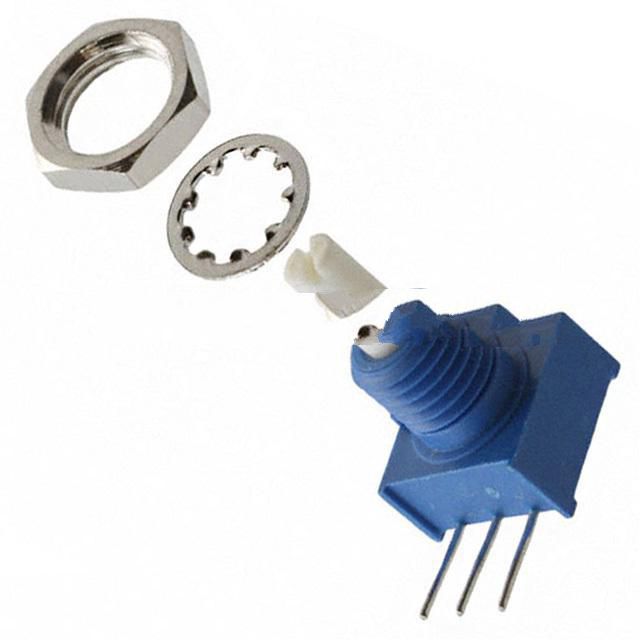
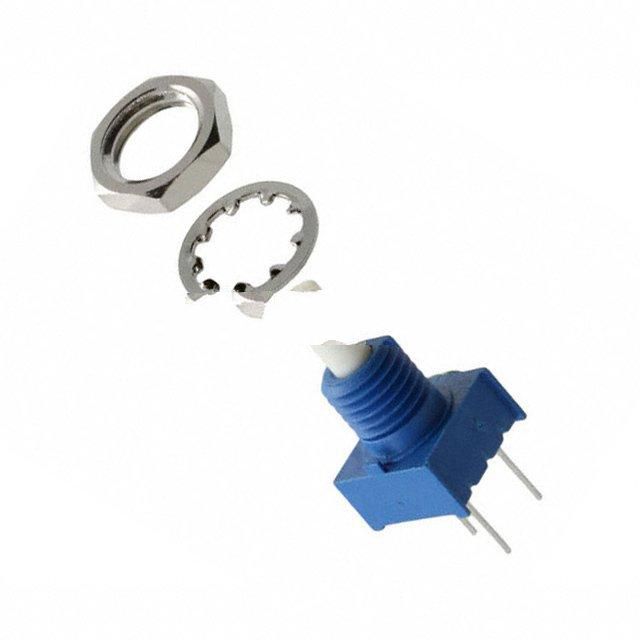
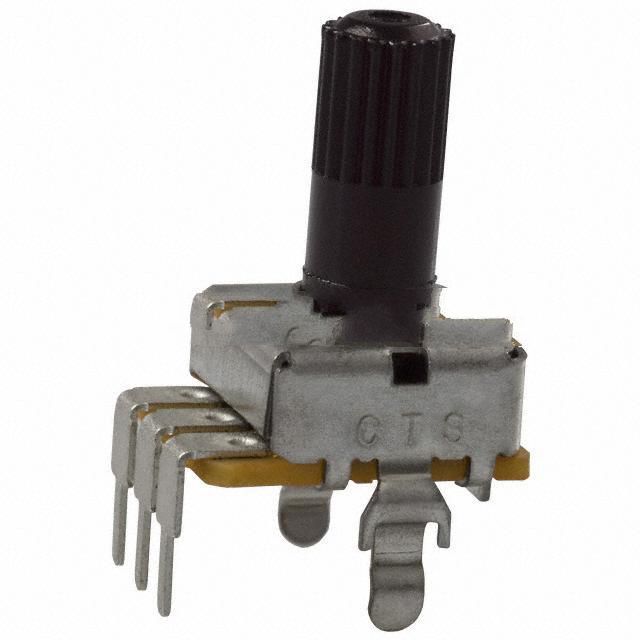
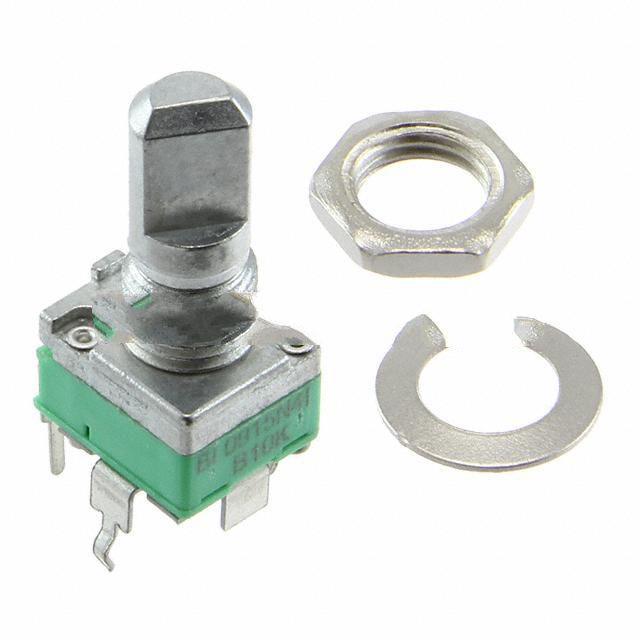
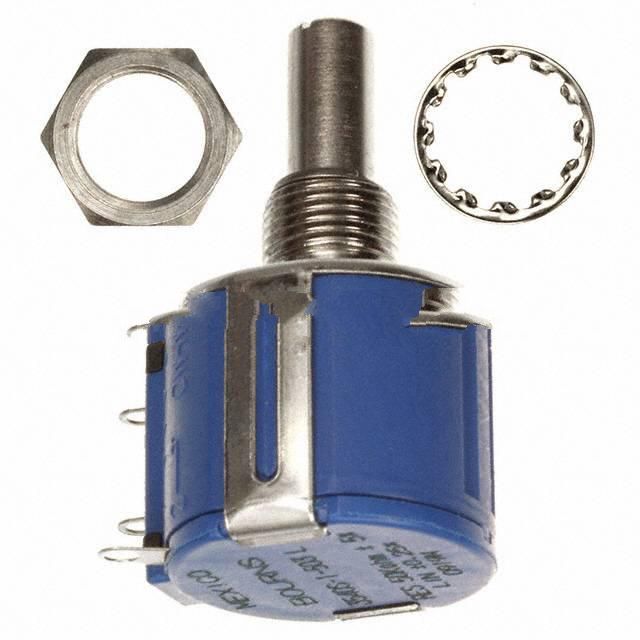
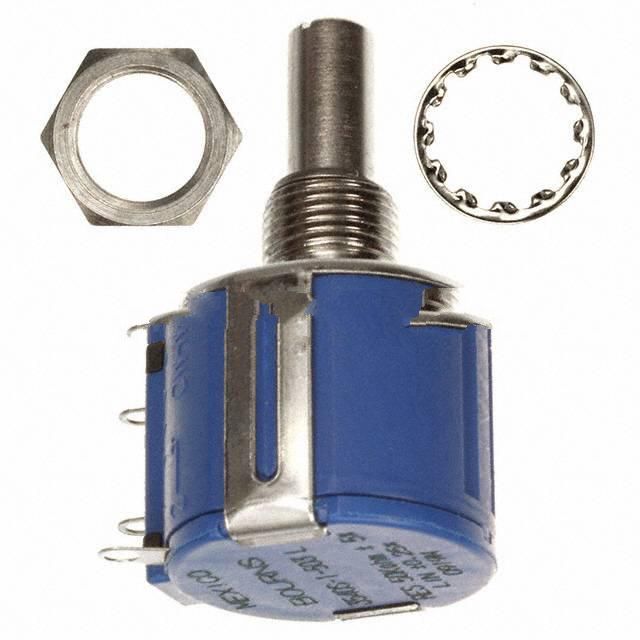
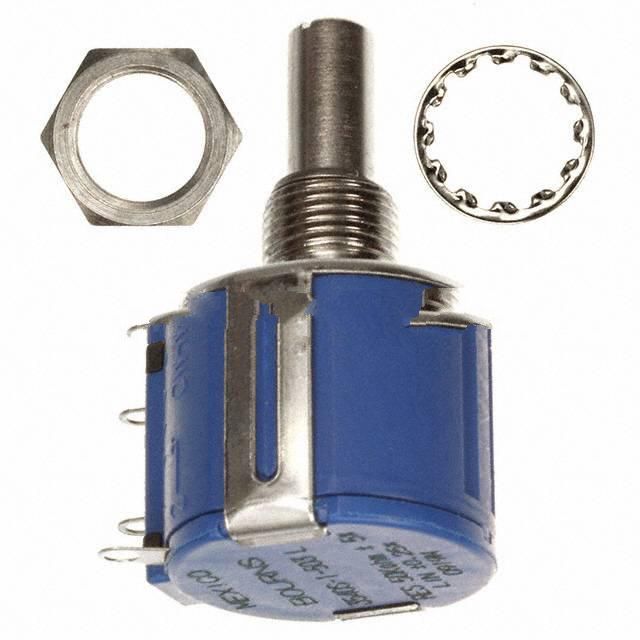
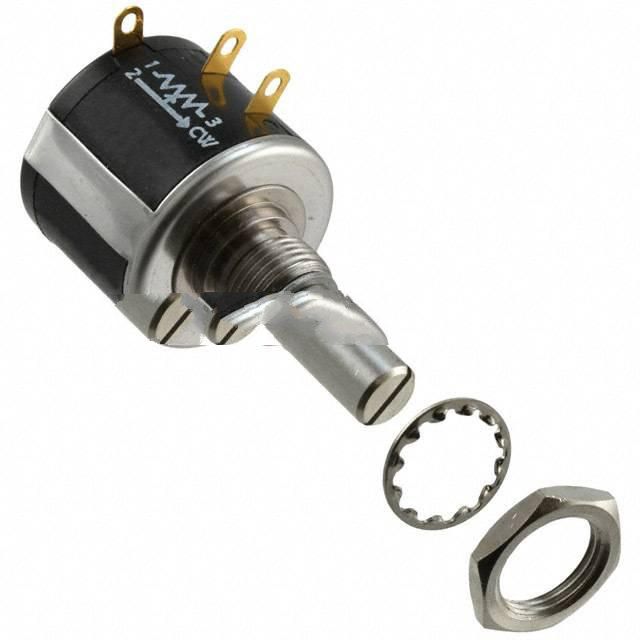
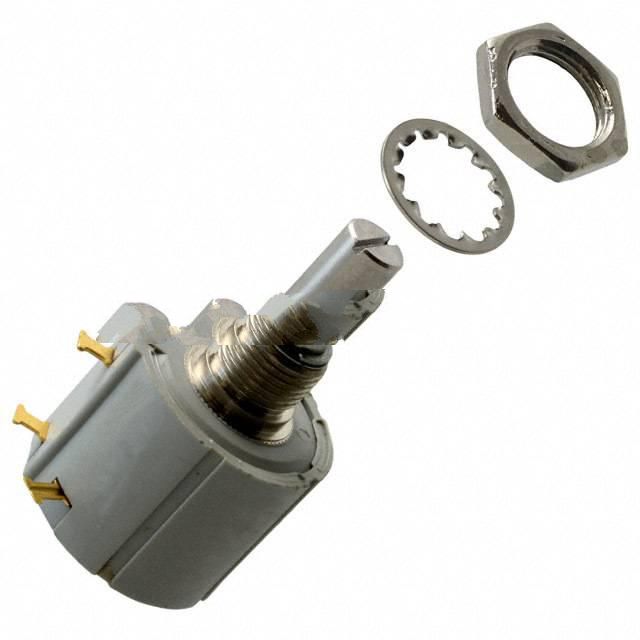
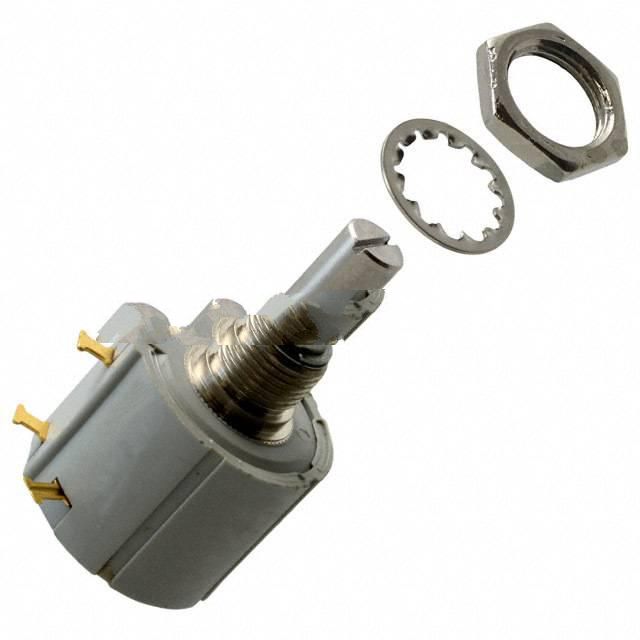
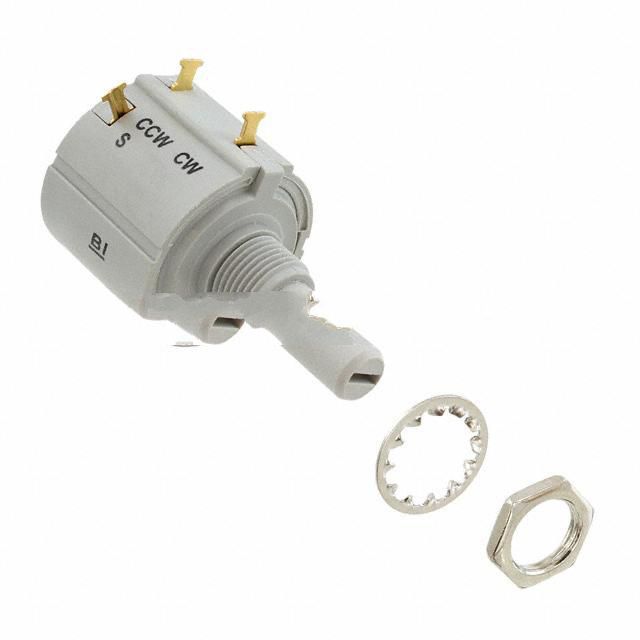
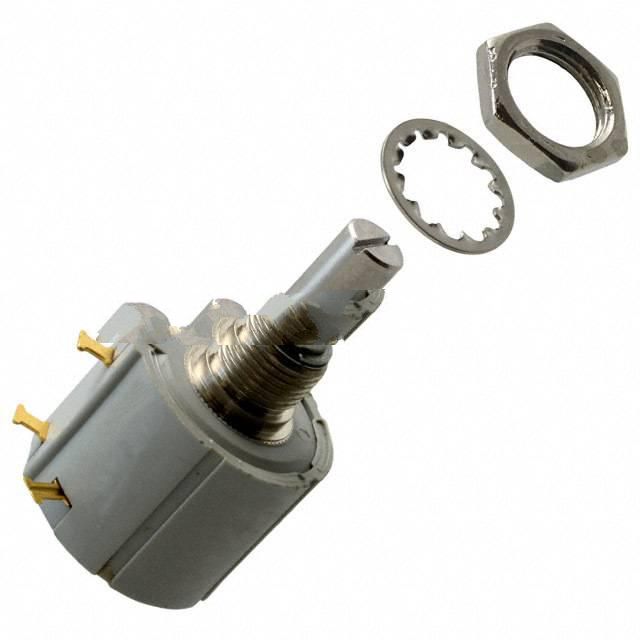
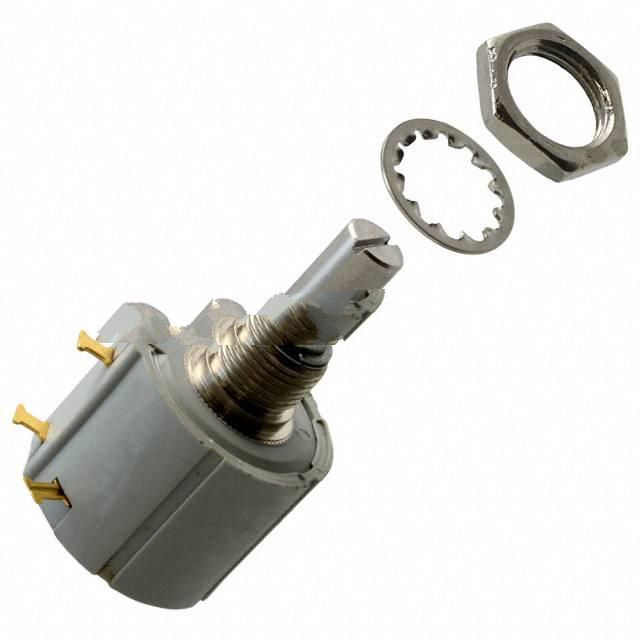
P0915N-FC15BR100K

TT Electronics/BI P0915N-FC15BR100K
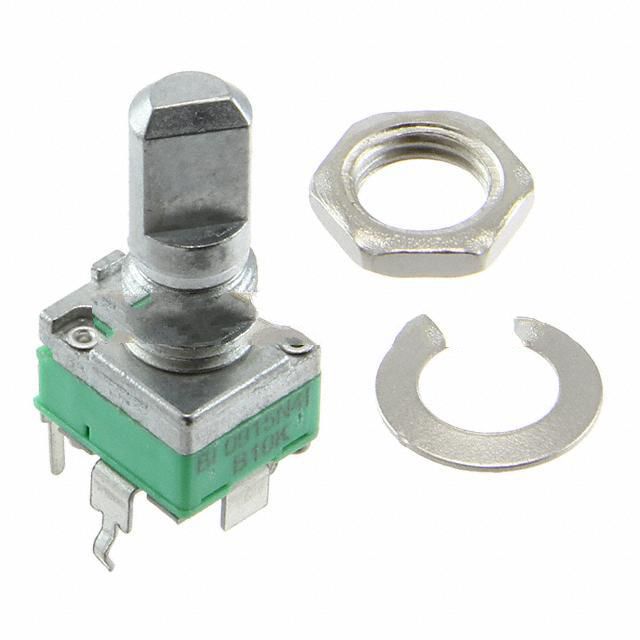
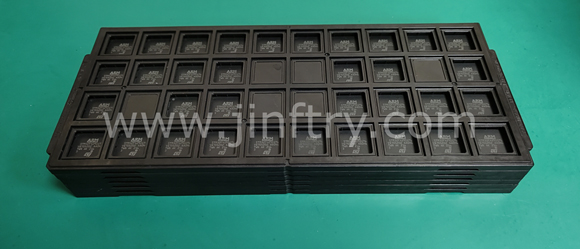
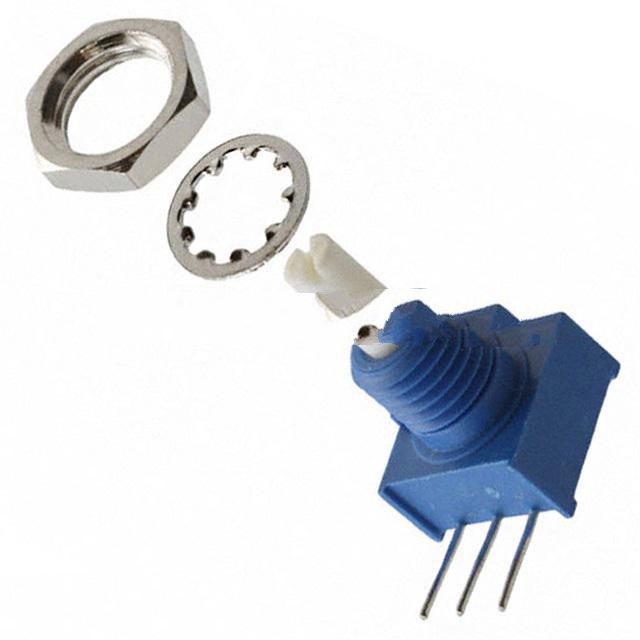
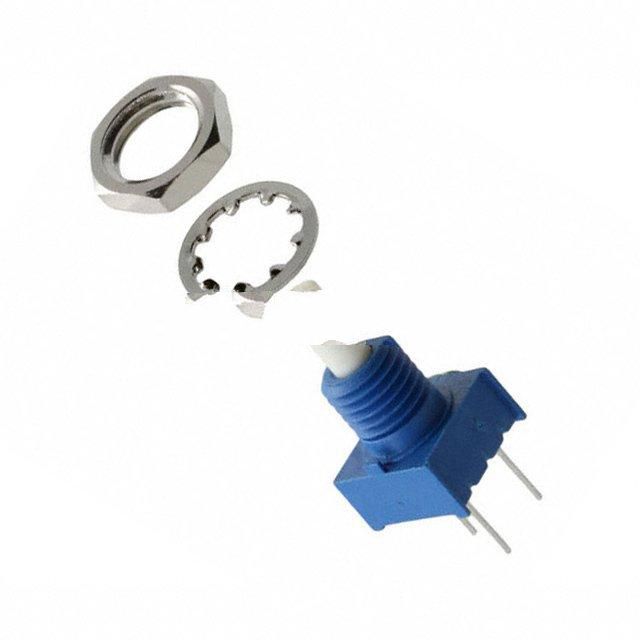
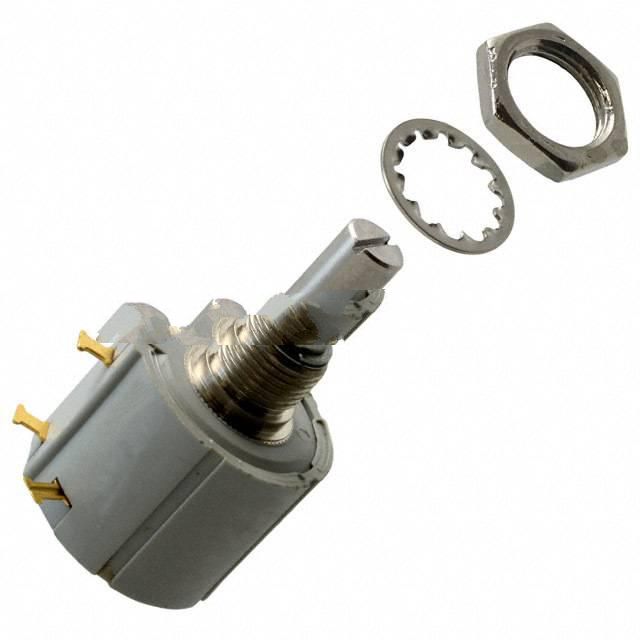
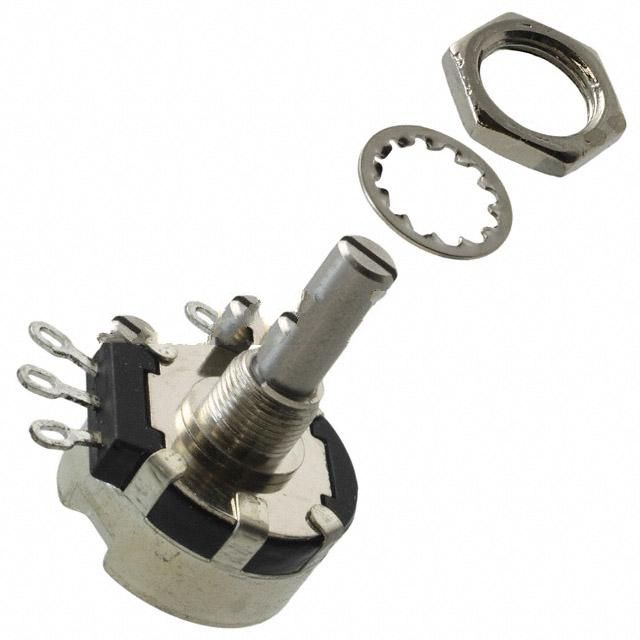
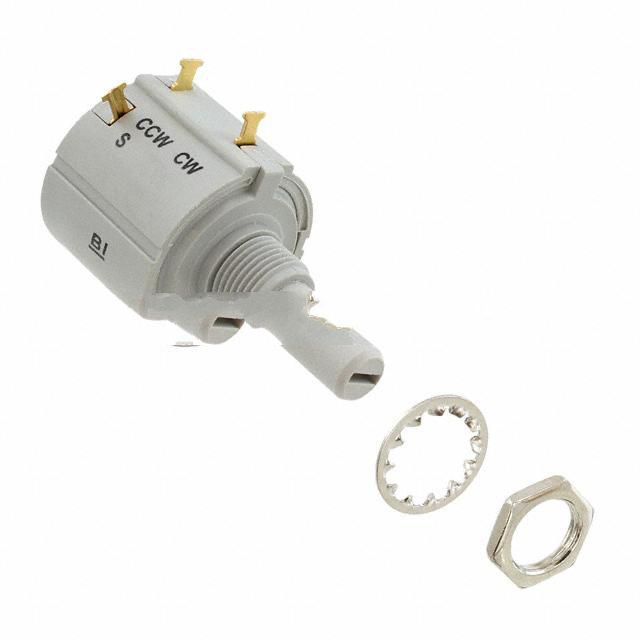
The picture is for reference only, please refer to the product specification

  • P0915N-FC15BR100K
  • TT Electronics/BI
  • POT 100K OHM 1/20W PLASTIC LIN
  • Rotary Potentiometers, Rheostats
  • P0915N-FC15BR100K Datasheet
  • -
  • -
  • Lead free / RoHS CompliantLead free / RoHS Compliant
  • 22484
  • Spot Inventory / Athorized Dstributor / Factory Excess Stock
  • 1 year quality assurance 》
  • Click to get rates

What is P0915N-FC15BR100K

TT Electronics/BI Part Number P0915N-FC15BR100KRotary Potentiometers, Rheostats), developed and manufactured by TT Electronics/BI, distributed globally by Jinftry. We distribute various electronic components from world-renowned brands and provide one-stop services, making us a trusted global electronic component distributor.

P0915N-FC15BR100K is one of the part numbers distributed by Jinftry, and you can learn about its specifications/configurations, package/case, Datasheet, and other information here. Electronic components are affected by supply and demand, and prices fluctuate frequently. If you have a demand, please do not hesitate to send us an RFQ or email us immediately [email protected] Please inquire about the real-time unit price, Data Code, Lead time, payment terms, and any other information you would like to know. We will do our best to provide you with a quotation and reply as soon as possible.

P0915N-FC15BR100K Specifications

  • Part NumberP0915N-FC15BR100K
  • CategoryRotary Potentiometers, Rheostats
  • ManufacturerTT Electronics/BI
  • DescriptionPOT 100K OHM 1/20W PLASTIC LIN
  • Package-
  • SeriesP09x
  • Mounting TypePanel Mount
  • Tolerance±20%
  • Power (Watts)0.05W, 1/20W
  • TaperLinear
  • Resistance (Ohms)100k
  • Actuator TypeFlatted
  • Termination StylePC Pins, Board Locks
  • Adjustment TypeTop Adjustment
  • Number of Gangs1
  • Built in SwitchNone
  • Number of Turns1
  • Rotation300°
  • Resistive MaterialConductive Plastic
  • Actuator Length0.591" (15.00mm)
  • Actuator Diameter0.236" (6.00mm)
  • Bushing ThreadM7 x 0.75

Application of P0915N-FC15BR100K

The advantages of Rotary Potentiometers and Rheostats in practical application lie in their high adjustment precision, easy operation and fast response. They enable precise control of circuit parameters, improving device performance and user experience. Make it widely used in various fields. In consumer electronics, they are often used for functions such as volume control and brightness adjustment. In industrial automation, they are used to control the operating parameters of mechanical equipment, such as temperature, pressure, etc. In automotive electronics, they are used to regulate seat heating, air conditioning temperature, etc. In addition, in scientific research and educational experiments, rotary potentiometers and rheostat are also essential tools.

P0915N-FC15BR100K Datasheet

P0915N-FC15BR100K Datasheet , P09x,Panel Mount,±20%,0.05W, 1/20W,Linear,100k,Flatted,PC Pins, Board Locks,Top Adjustment,1,None,1,300°,Conductive Plastic,0.591" (15.00mm),0.236" (6.00mm),M7 x 0.75

P0915N-FC15BR100K Classification

Rotary Potentiometers, Rheostats

Rotary Potentiometers and Rheostats (Rotary Potentiometers and Rheostats) are two basic components commonly used in electronics, which play an important role in regulating current and voltage in a circuit. The rotary potentiometer, also known as the variable resistor, is mainly composed of three parts: a rotating shaft, a resistance body and a brush. Through the operation of the rotating axis, the brush slides on the surface of the resistance body, thereby changing the resistance value in the circuit, and thus realizing the precise regulation of voltage or current. Rheostat is a more generalized device for adjusting resistance, including two kinds of rotary and sliding. The basic principle is to adjust the resistance value in the circuit by changing the effective length of the resistance element or the position of the contact point, and then affect the current and voltage.

FAQ about Rotary Potentiometers, Rheostats

  • 1. What are potentiometers and rheostats?

    Potentiometers and rheostats are two different electronic components that differ in structure, working principle, and application scenarios.
    Potentiometer
    A potentiometer is a component that can adjust the size of resistance in a circuit. It usually consists of a resistor body and a movable brush. The potentiometer has three pins: a middle contact pin and two fixed end pins. By rotating or sliding the brush, the resistance value between the middle contact and the two ends can be changed, thereby adjusting the voltage and current in the circuit. Potentiometers are widely used in various electronic devices, such as televisions, audio equipment, computer mice, etc., to adjust parameters such as bias voltage and volume.
    Rheostat
    A variable resistor, also known as a voltage regulator, is mainly composed of a resistor wire or resistor sheet with adjustable resistance, a knob, and two fixed ends. By rotating the knob, the resistance value of the resistor wire or resistor sheet can be changed, thereby adjusting parameters such as current, voltage, or power in the circuit. Rheostats are usually used in situations where circuit parameters need to be adjusted frequently, such as audio debugging, brightness adjustment, etc.
    What is a rotary potentiometer?
    A rotary potentiometer is a potentiometer that changes the resistance value by rotating the adjustment button. It consists of a rotating shaft, an annular groove of conductive material on the rotating shaft, two endpoints and an adjustable contact. When the rotating shaft rotates, the adjustable contact contacts on different annular grooves accordingly, thereby changing the resistance value.
    Application scenarios and functions of rotary potentiometers
    Rotary potentiometers are widely used in various electronic devices, mainly for voltage division, current control and resistance change. It can adjust the resistance value by rotation and is widely used in volume control, brightness adjustment, contrast adjustment and other scenarios. In addition, rotary potentiometers also have single-turn and multi-turn versions, and the multi-turn version provides a finer degree of adjustment.

  • 2. What is the difference between a potentiometer and a rotary potentiometer?

    There are significant differences between potentiometers and rotary potentiometers in definition, working principle and application scenarios.
    Definition and working principle
    A potentiometer is an adjustable resistor that changes the position of its movable arm on the resistor body by rotating or sliding the contact, thereby changing the resistance value between the movable arm and the stationary arm. Potentiometers are usually composed of a resistor and a movable brush. When the brush moves along the resistor, the output end obtains a resistance value or voltage that is in a certain relationship with the displacement.
    Rotary potentiometer is a type of potentiometer with three lead-out terminals. The two external connections are terminals that carry the full circuit voltage; the middle connection is the tap terminal, which moves between the terminal terminals as the knob rotates. Rotary potentiometers are usually used in situations where fine adjustment is required, such as volume control, screen brightness adjustment, etc.
    Application scenarios
    Potentiometers are widely used in audio equipment, lighting equipment and other fields due to their continuously adjustable characteristics. For example, in audio systems, potentiometers are used to adjust the volume; in lighting systems, potentiometers are used to adjust the brightness of lights. In addition, potentiometers are also used in speed adjustment, volume control and other scenarios.

  • 3. What is the role of a rheostat?

    The main functions of a rheostat include protecting circuits, regulating current and voltage distribution. By changing its resistance value, a rheostat can control the current and voltage in a circuit, thereby protecting the circuit from damage caused by excessive current.
    Specifically, a rheostat changes the resistance value by changing the length of the resistor wire connected to the circuit, thereby adjusting the current and voltage in the circuit. When connecting a circuit, the slider of the sliding rheostat is usually slid to the maximum resistance position to limit the current and protect the circuit. By moving the slider, the resistance value of the sliding rheostat connected to the circuit can be changed, thereby adjusting the current and the voltage at both ends of the partial circuit.

• Prompt Responsiveness

• Guaranteed Quality

• Global Access

• Competitive Market Price

• One-Stop support services of supply chain

Jinftry, Your most trustworthy component supplier, welcome to send us the inquiry, thank you!

Do you have any questions about P0915N-FC15BR100K ?
Feel free to contact us:

+86-755-28503874
+8615019224070, annies65, +8615118125813
568248857, 827259012, 316249462
+8615019224070, +8615118118839, +8615118125813
( Email first will be appreciative )

Customer reviews

Post your comment

TT Electronics/BI
TT Electronics/BI
‌TT Electronics/BI is a global supplier of engineered electronic components focused on providing high-reliability products for the defense and aerospace, medical, transportation, energy and industrial electronics markets. ‌

TT Electronics/BI's main products...
P0915N-FC15BR10K
P0915N-FC15BR10K

POT 10K OHM 1/20W PLASTIC LINEAR

7286R50KL.25
7286R50KL.25

POT 10K OHM 1/20W PLASTIC LINEAR

7286R100L.25
7286R100L.25

POT 10K OHM 1/20W PLASTIC LINEAR

7276R10KL.25
7276R10KL.25

POT 10K OHM 1/20W PLASTIC LINEAR

7286R20KL.25
7286R20KL.25

POT 10K OHM 1/20W PLASTIC LINEAR

7286R2KL.25
7286R2KL.25

POT 10K OHM 1/20W PLASTIC LINEAR

7286R1KL.25
7286R1KL.25

POT 10K OHM 1/20W PLASTIC LINEAR

P270-DS21R5K
P270-DS21R5K

POT 10K OHM 1/20W PLASTIC LINEAR

Electronic Parts Index
A
B
C
D
E
F
G
H
I
J
K
L
M
N
O
P
Q
R
S
T
U
V
W
X
Y
Z
0
1
2
3
4
5
6
7
8
9
Shopping Cart Tel: +86-755-28503874 Email: [email protected] Skype: +8615019224070, annies65, +8615118125813 QQ: 568248857, 827259012, 316249462 Mobile: +8615019224070, +8615118118839, +8615118125813 WeChat: Send Message
TOP