
Samsung Electro-Mechanics SCP7TT78HPL1T0S06E
The picture is for reference only, please refer to the product specification
- SCP7TT78HPL1T0S06E
- Samsung Electro-Mechanics
- LED LM101A NEUT WHT 4000K 2SMD
- LED Lighting - White
- SCP7TT78HPL1T0S06E Datasheet
- 0505 (1313 Metric)
- 0505 (1313 Metric)
-
 Lead free / RoHS Compliant
 - 24730
- Spot Inventory / Athorized Dstributor / Factory Excess Stock
- 1 year quality assurance 》
- Click to get rates


What is SCP7TT78HPL1T0S06E
Samsung Electro-Mechanics Part Number SCP7TT78HPL1T0S06E(LED Lighting - White), developed and manufactured by Samsung Electro-Mechanics, distributed globally by Jinftry. We distribute various electronic components from world-renowned brands and provide one-stop services, making us a trusted global electronic component distributor.
SCP7TT78HPL1T0S06E is one of the part numbers distributed by Jinftry, and you can learn about its specifications/configurations, package/case, Datasheet, and other information here. Electronic components are affected by supply and demand, and prices fluctuate frequently. If you have a demand, please do not hesitate to send us an RFQ or email us immediately [email protected] Please inquire about the real-time unit price, Data Code, Lead time, payment terms, and any other information you would like to know. We will do our best to provide you with a quotation and reply as soon as possible.
SCP7TT78HPL1T0S06E Specifications
- Part NumberSCP7TT78HPL1T0S06E
- CategoryLED Lighting - White
- ManufacturerSamsung Electro-Mechanics
- DescriptionLED LM101A NEUT WHT 4000K 2SMD
- Package0505 (1313 Metric)
- SeriesLM101A
- Mounting TypeSurface Mount
- Package / Case0505 (1313 Metric)
- Supplier Device PackageSMD
- Size / Dimension0.046" L x 0.046" W (1.18mm x 1.18mm)
- Current - Max450mA
- Current - Test150mA
- ColorWhite, Neutral
- Height - Seated (Max)0.017" (0.42mm)
- Voltage - Forward (Vf) (Typ)2.9V
- Viewing Angle150°
- Lumens/Watt @ Current - Test149 lm/W
- CCT (K)4000K
- CRI (Color Rendering Index)70
- Flux @ 85°C, Current - Test65 lm (59 lm ~ 71 lm)
Application of SCP7TT78HPL1T0S06E
SCP7TT78HPL1T0S06E Datasheet
SCP7TT78HPL1T0S06E Datasheet , 0505 (1313 Metric),LM101A,Surface Mount,0505 (1313 Metric),SMD,0.046" L x 0.046" W (1.18mm x 1.18mm),450mA,150mA,White, Neutral,0.017" (0.42mm),2.9V,150°,149 lm/W,4000K,70,65 lm (59 lm ~ 71 lm)
SCP7TT78HPL1T0S06E Classification
LED Lighting - White
FAQ about LED Lighting - White
-
1. What is LED and why use it?
LED (Light Emitting Diode) is an electronic component that uses solid-state semiconductor materials to generate light, and emits light by releasing energy through the recombination of electrons and holes. LED has the advantages of high efficiency, low power consumption, long durability and environmental friendliness.
Basic principle of LED
The working principle of LED is based on the recombination of electrons and holes in semiconductor materials to release energy and emit light. When current passes through semiconductor materials, electrons and holes recombine and release photons, thereby generating light. LED can efficiently convert electrical energy into light energy, and the color of light can be adjusted by controlling the current and voltage in semiconductor materials.
Application fields of LED
The application fields of LED are very wide, mainly including the following aspects:
Lighting field: LED lights are widely used in indoor and outdoor spaces such as homes, offices, and shops. Compared with traditional incandescent lamps, LED lights are more energy-efficient and have a longer service life.
Automotive lighting: LED lights are used in headlights, taillights, turn signal lights and brake lights in the automotive industry, which improves the lighting effect and reduces energy consumption, enhancing driving safety.
Signal indication: LED lights act as signal indicators in various devices and instruments, such as power and working status indicators on computer screens, mobile phones, and household appliances.
Decoration and advertising: LED lights are used for decorative lighting in architectural landscape design, and are also an important part of advertising media such as billboards and display screens.
Medical and health care: LED lights play a role in medical rehabilitation, such as light therapy, pain relief, and muscle training.
Industrial production: On industrial production lines, LED lights are used as a source of light for detection, operation, and control equipment.
What is a high-power LED lamp?
A high-power LED lamp refers to a light-emitting diode (LED) with a large rated working power. Its power is usually above 1 watt (W), and can even reach tens of watts (W). The working current can range from tens of milliamperes to hundreds of milliamperes 12. Compared with ordinary LEDs, high-power LEDs have greater power and higher brightness, but they also face higher costs and thermal management challenges.
Features of high-power LED lamps
High brightness: The luminous efficiency of high-power LEDs is more than 10 times higher than that of traditional incandescent lamps and about 2 times higher than that of fluorescent lamps.
Long life: The service life of high-power LEDs can reach more than 50,000 hours, which is more than 40 times that of traditional incandescent lamps.
Small size and high reliability: High-power LED devices are very small and have a long service life, so they have higher reliability.
Energy saving and environmental protection: High-power LEDs do not contain any harmful substances used for lighting, which is very environmentally friendly. -
2. What is the principle of LED lights?
The principle of LED lights is based on the PN junction characteristics of semiconductor materials. LED (Light Emitting Diode) is a semiconductor device that directly converts electrical energy into light energy. Its core structure is a PN junction composed of P-type semiconductors and N-type semiconductors. When an external forward voltage is applied to the PN junction of the LED, the electrons in the N region will cross the depletion layer into the P region, and the holes in the P region will also cross the depletion layer into the N region. This process is called carrier injection. The electrons and holes injected into the other region recombine near the PN junction, release energy, and emit it in the form of photons to form visible light or near-infrared light.
-
3. How do LED lights work in physics?
The working principle of LED lights is based on the process of electrons and holes in semiconductor materials to produce photons. When current passes through the chip of the LED lamp, the electrons and holes inside the chip collide and recombine violently in the light-emitting layer to produce photons, which are the light we see. The core luminescent materials of LEDs are usually wide-bandgap semiconductor materials, such as GaN (gallium nitride), which have high luminous efficiency and good thermal conductivity.
Specific working process
Recombination of electrons and holes: When current passes through the PN junction of the LED, electrons and holes are pushed to the junction under the action of the electric field. When they meet, the energy level difference causes the electrons to jump from the high energy level to the low energy level, releasing energy in the form of light.
Emission of light: This process produces photons, which is the light we see. The color of the LED depends on the composition and structure of the semiconductor material used. For example, gallium nitride LEDs emit blue light, gallium phosphide LEDs emit red light, and green and yellow LEDs are achieved by changing the composition and structure of the material.
We are a professional PCB manufacturer who offers comprehensive PCB manufacturing services including: professional Ceramic PCB HDI PCB Heavy Copper PCB High-TG PCB High Speed PCB High Frequency PCB Metal Core PCB PCB fabrication and PCB assembly, providing fast turnaround prototypes for high-end products.



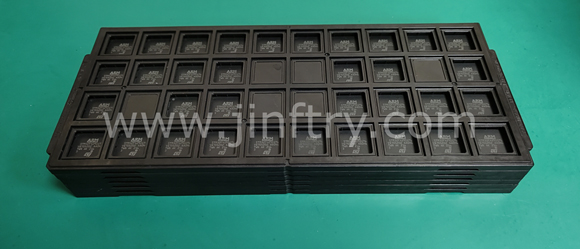
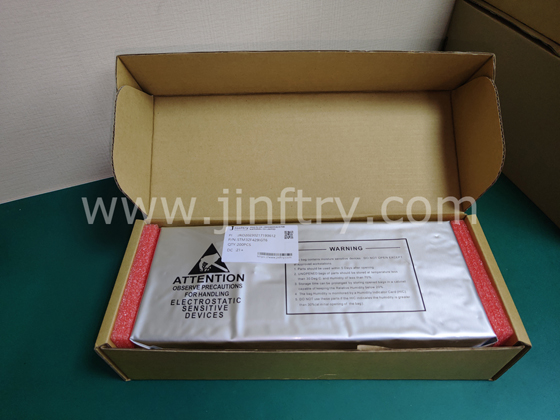
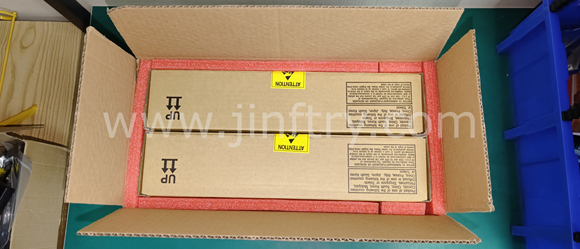
• Prompt Responsiveness
• Guaranteed Quality
• Global Access
• Competitive Market Price
• One-Stop support services of supply chain
Jinftry, Your most trustworthy component supplier, welcome to send us the inquiry, thank you!
Do you have any questions about SCP7TT78HPL1T0S06E ?
Feel free to contact us:
SCP7TT78HPL1T0S06E Related Products

LED WARM WHITE 3000K 90CRI

LED WARM WHITE 2700K 90CRI
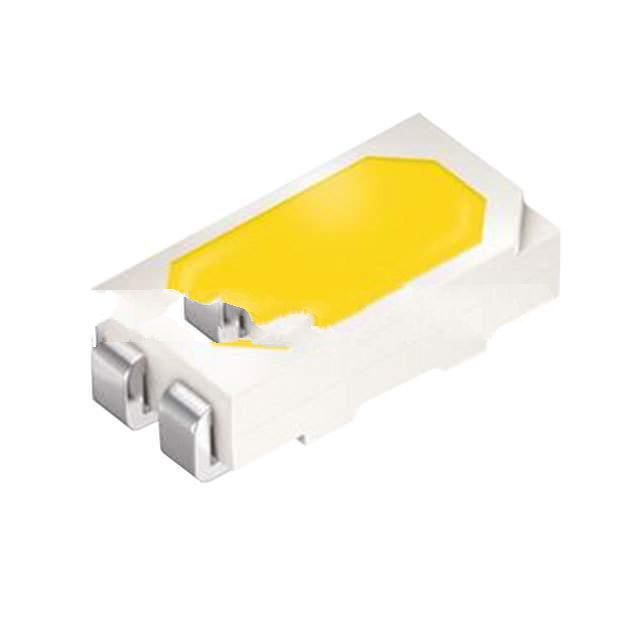
LED DURIS E3 WARM WHT 2700K 2SMD

LED LM101A WARM WHT 3000K 2SMD

LED LM101A WARM WHT 3500K 2SMD

LED LM101A COOL WHT 5000K 2SMD

LED LM101A COOL WHT 5700K 2SMD
LED LM101A COOL WHT 6500K 2SMD

LED LM101A WARM WHT 2700K 2SMD
LED LM101A COOL WHT 5700K 2SMD


