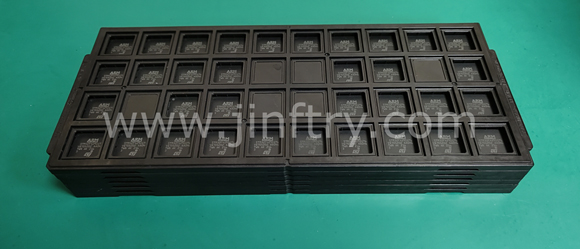
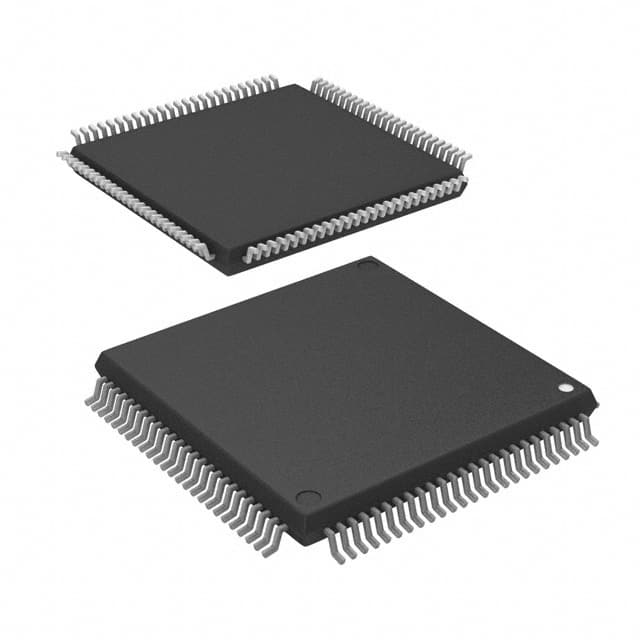
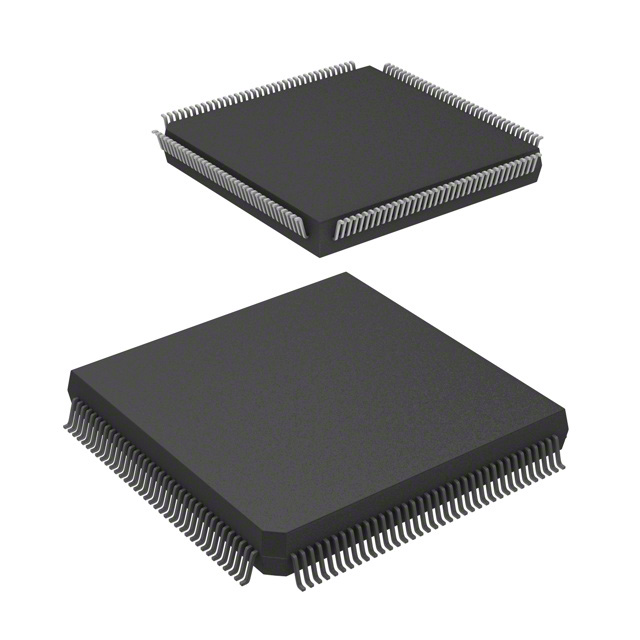
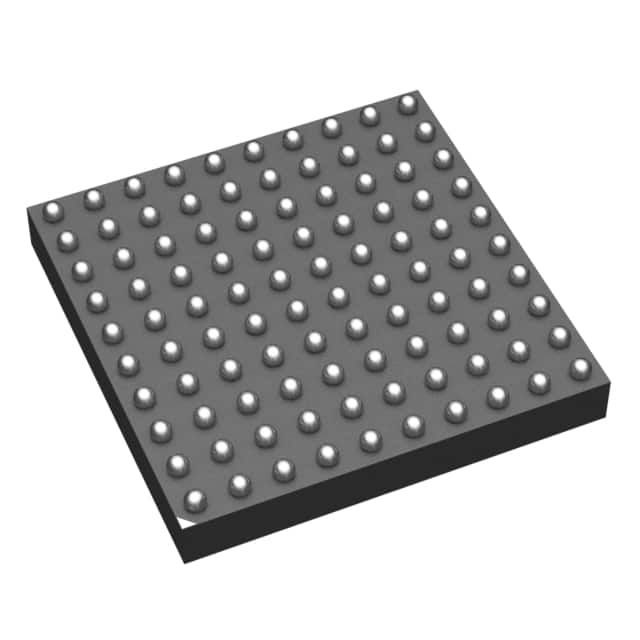
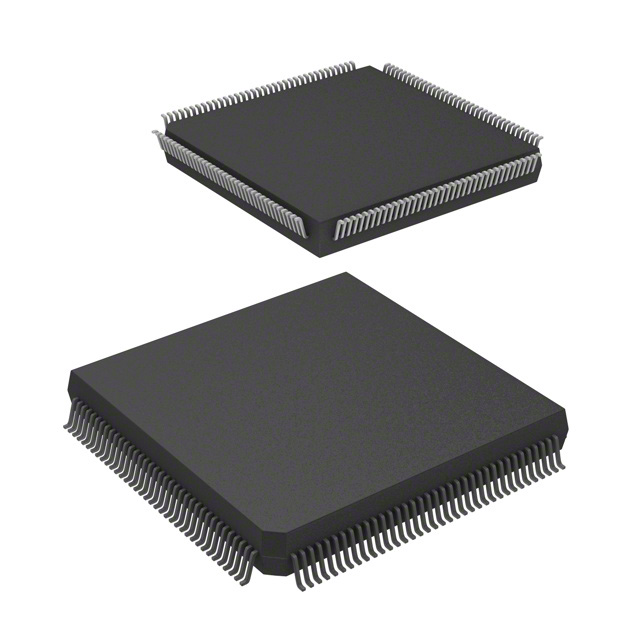
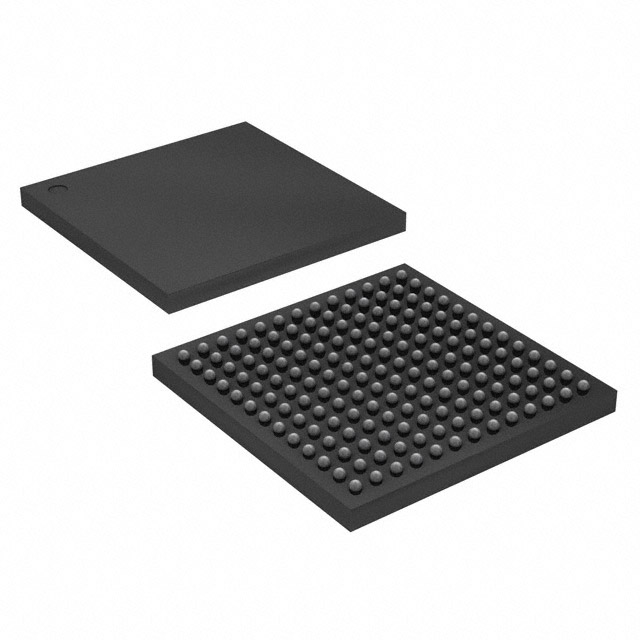
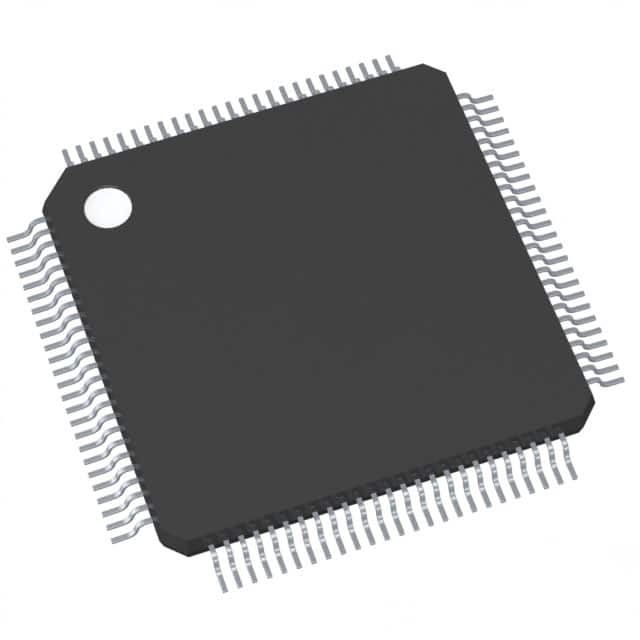
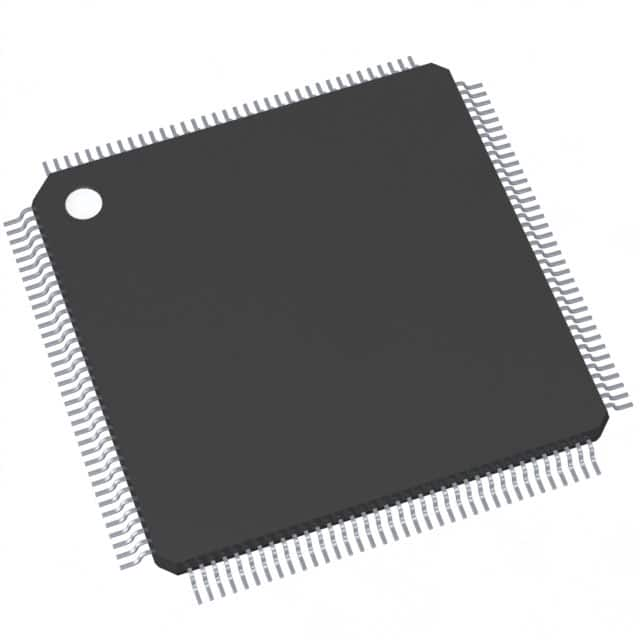
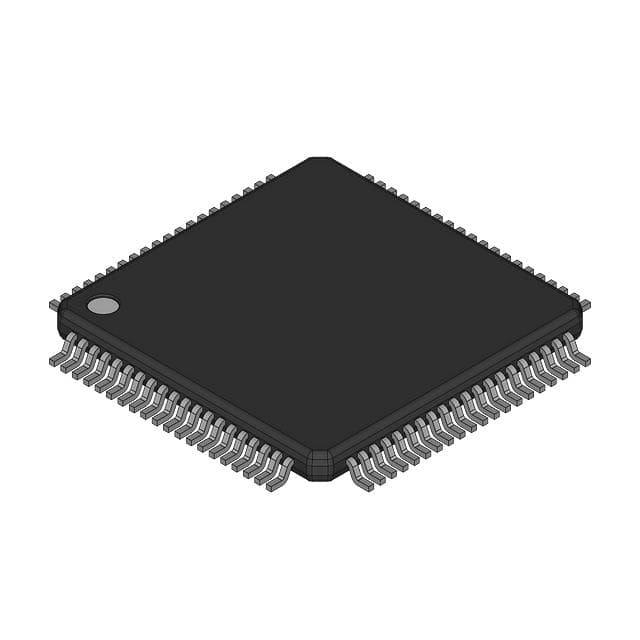
Infineon Technologies TC213L8F133NACLXUMA1
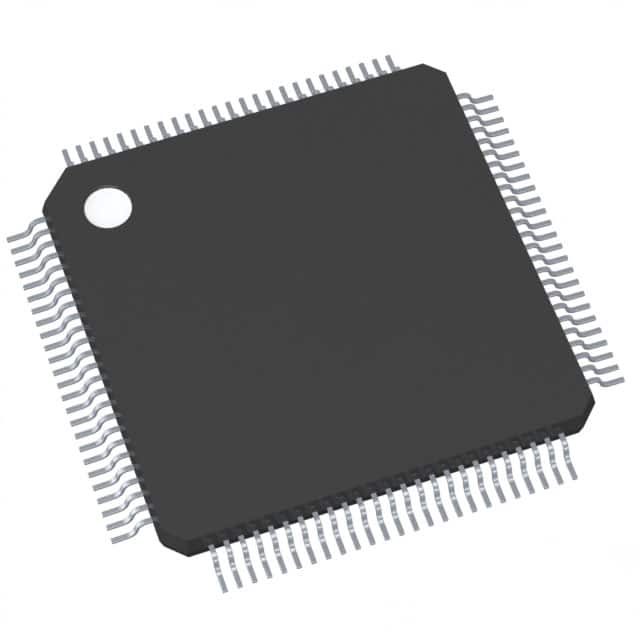
- TC213L8F133NACLXUMA1
- Infineon Technologies
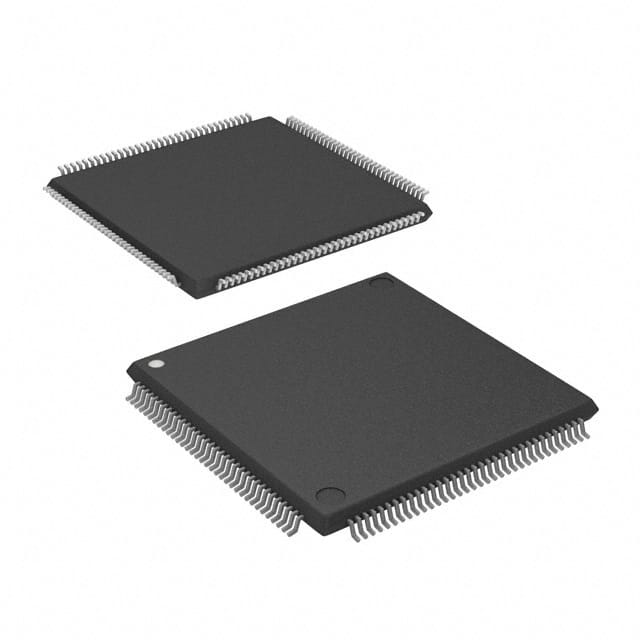
- IC MCU 32BIT 512KB FLASH 100TQFP
- Embedded - Microcontrollers
- TC213L8F133NACLXUMA1 Datasheet
- 100-TQFP Exposed Pad
- Tape & Reel (TR)
-
Lead free / RoHS Compliant - 1319
- Spot Inventory / Athorized Dstributor / Factory Excess Stock
- 1 year quality assurance 》
- Click to get rates
What is TC213L8F133NACLXUMA1
Infineon Technologies Part Number TC213L8F133NACLXUMA1(Embedded - Microcontrollers), developed and manufactured by Infineon Technologies, distributed globally by Jinftry. We distribute various electronic components from world-renowned brands and provide one-stop services, making us a trusted global electronic component distributor.
TC213L8F133NACLXUMA1 is one of the part numbers distributed by Jinftry, and you can learn about its specifications/configurations, package/case, Datasheet, and other information here. Electronic components are affected by supply and demand, and prices fluctuate frequently. If you have a demand, please do not hesitate to send us an RFQ or email us immediately [email protected] Please inquire about the real-time unit price, Data Code, Lead time, payment terms, and any other information you would like to know. We will do our best to provide you with a quotation and reply as soon as possible.
TC213L8F133NACLXUMA1 Specifications
- Part NumberTC213L8F133NACLXUMA1
- CategoryEmbedded - Microcontrollers
- ManufacturerInfineon Technologies
- DescriptionIC MCU 32BIT 512KB FLASH 100TQFP
- PackageTape & Reel (TR)
- SeriesAURIX™
- Operating Temperature-40°C ~ 125°C (TA)
- Mounting TypeSurface Mount
- Package / Case100-TQFP Exposed Pad
- Supplier Device PackagePG-TQFP-100-23
- Voltage - Supply (Vcc/Vdd)3.3V
- Speed133MHz
- Number of I/O78
- EEPROM Size64K x 8
- Core ProcessorTriCore™
- RAM Size56K x 8
- Core Size32-Bit
- ConnectivityCANbus, LINbus, QSPI
- PeripheralsDMA, WDT
- Program Memory Size512KB (512K x 8)
- Program Memory TypeFLASH
- Data ConvertersA/D 24x12b
- Oscillator TypeExternal
Application of TC213L8F133NACLXUMA1
TC213L8F133NACLXUMA1 Datasheet
TC213L8F133NACLXUMA1 Datasheet , Tape & Reel (TR),AURIX™,-40°C ~ 125°C (TA),Surface Mount,100-TQFP Exposed Pad,PG-TQFP-100-23,3.3V,133MHz,78,64K x 8,TriCore™,56K x 8,32-Bit,CANbus, LINbus, QSPI,DMA, WDT,512KB (512K x 8),FLASH,A/D
TC213L8F133NACLXUMA1 Classification
Embedded - Microcontrollers
FAQ about Embedded - Microcontrollers
-
1. What is an embedded microcontroller?
An embedded microcontroller is a device that integrates an entire computer system into a single chip. It usually includes functional modules such as a central processing unit, memory, input and output ports, and timers, all of which are integrated on a single chip. This design enables embedded microcontrollers to perform specific tasks with high flexibility and efficiency.
The main features of embedded microcontrollers include:
Highly integrated: multiple functions such as CPU, memory, and I/O interface are integrated on a single chip, reducing the number of components and system volume.
Strong specialization: Optimized for specific application scenarios, providing a specific combination of processing power, memory, and input and output interfaces.
Efficient and reliable: The integrated design makes the system more stable and reliable, reducing the connection of external components and signal interference.
High flexibility: According to different application requirements, embedded microcontrollers can have multiple derivative products, each with the same processor core, but different memory and peripheral configurations to adapt to different application scenarios. -
2. Is Arduino an embedded microcontroller?
Arduino is an embedded microcontroller platform based on open source hardware and software. It contains a microcontroller (MCU) and related modules that can interact with the external environment through hardware and software. The core board of Arduino consists of a microcontroller and related modules, with basic input and output connections and multiple communication interfaces, including serial ports, SPI and TWI, etc., which can communicate and transfer data with other devices.
Features of Arduino include:
Development environment: Arduino comes with a software development environment that can be programmed in C and C++ languages.
Libraries and functions: It has a rich hardware library and functions for rapid development.
Low cost: It is suitable for hardware development such as sensors, simple robots, thermostats and motion detectors, with low cost and simple operation.
Wide application: It is commonly used in projects such as IoT products, automation control and robots.
Compared with other microcontroller platforms, the advantage of Arduino is its simple and easy-to-use hardware and software tools, which enable electronic enthusiasts and general users to quickly realize various application projects. -
3. What is the difference between an embedded MCU and a PLC MCU?
The main difference between an embedded MCU and a PLC MCU is that their application fields, system architectures, and programming methods are different.
Although both embedded MCUs and PLC MCUs involve MCU technology, their application fields are significantly different. Embedded MCUs are mainly used in non-industrial fields such as consumer electronics, automobiles, aerospace, etc. They emphasize high specificity and flexibility and can be customized according to specific needs. PLC MCUs are mainly used in industrial automation control fields, such as electricity, petroleum, chemical industry, machinery manufacturing, etc. The original design intention is to adapt to complex industrial environments and have strong stability and reliability.
In terms of system architecture, embedded MCUs usually have fixed hardware and software configurations, are designed and developed for specific applications, and hardware and software are tightly integrated to form a complete system. PLC MCUs are based on a modular architecture, and different modules can be added to achieve different functions. Both hardware and software are standardized, which is convenient for users to select and configure.
In terms of programming language, embedded MCUs are usually programmed in high-level programming languages such as C and C++. These programming languages have powerful functions and flexibility and can meet complex programming needs. PLC MCUs are mainly programmed in ladder diagram language. This graphical programming method is simple and easy to understand, which is convenient for users to get started quickly. In addition, it also supports some text programming languages, such as instruction lists and structured text.
We are a professional PCB manufacturer who offers comprehensive PCB manufacturing services including: professional Ceramic PCB HDI PCB Heavy Copper PCB High-TG PCB High Speed PCB High Frequency PCB Metal Core PCB PCB fabrication and PCB assembly, providing fast turnaround prototypes for high-end products.
• Prompt Responsiveness
• Guaranteed Quality
• Global Access
• Competitive Market Price
• One-Stop support services of supply chain
Jinftry, Your most trustworthy component supplier, welcome to send us the inquiry, thank you!
Do you have any questions about TC213L8F133NACLXUMA1 ?
Feel free to contact us: