
Logic - Latches
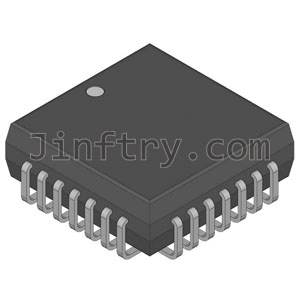
Latches are an important logical storage element in integrated circuits, which are mainly used to temporarily store data or status information in digital circuits until new data or reset signals are received. The locking pin is usually composed of cross-coupled inverter pairs, forming a positive feedback loop to maintain its output state. This design principle allows the locking pin to maintain the stability of the data without the control of the clock signal until the external signal changes its state. The characteristics of the lock pin include its hold function and transparent function, that is, under the control of the enable signal, data can be passed transparently, or in the non-enable state of the latch. These characteristics make locking pins play a key role in digital circuit design, especially in scenarios where transient data or state is required.
Jinftry is a leading global distributor of electronic components, supplying integrated circuits (ICs) from many world-renowned brands. Including Texas Instruments, ON Semiconductor, Microchip, Maxim, Analog Devices, STMicroelectronics, NXP, Xilinx, Intel, Cypress, Infineon, Broadcom, Renesas, Fujitsu, etc. Are you looking for a long-term supplier or distributor of integrated circuit (IC) chips? Jinftry is your best choice. Jinftry's advantage is low prices and guaranteed quality. Adhering to the principle of customer first, we provide you with original, new, surplus, obsolete/EOL and hard-to-find materials.
Product Quantity: 3261
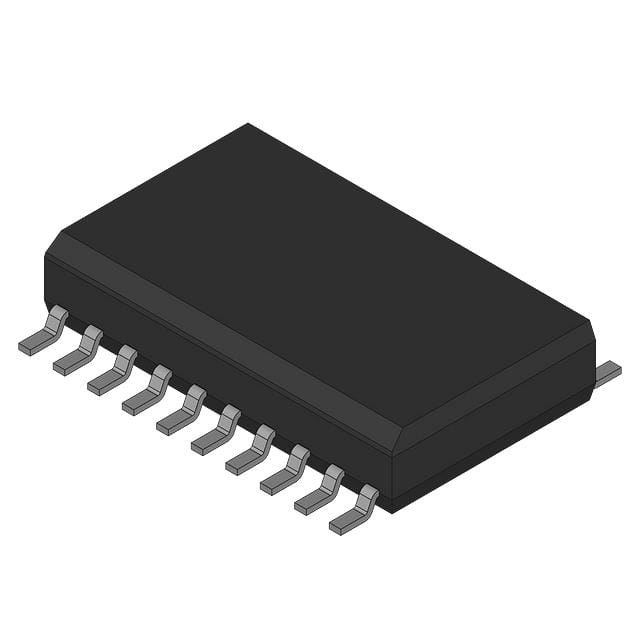
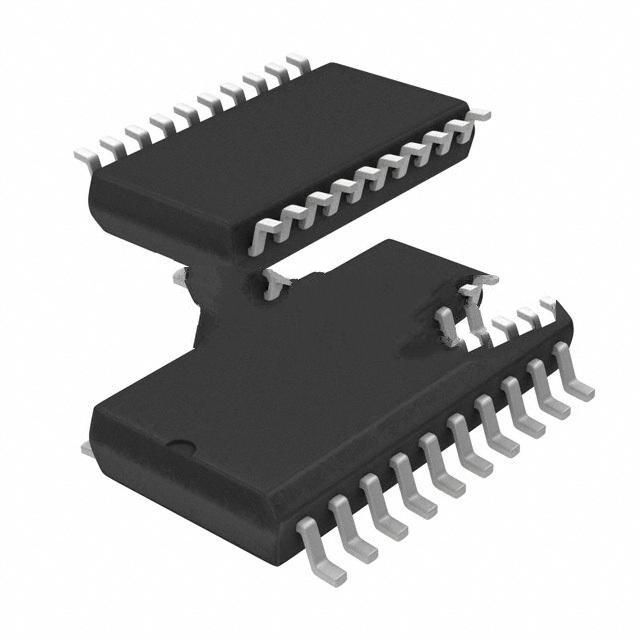
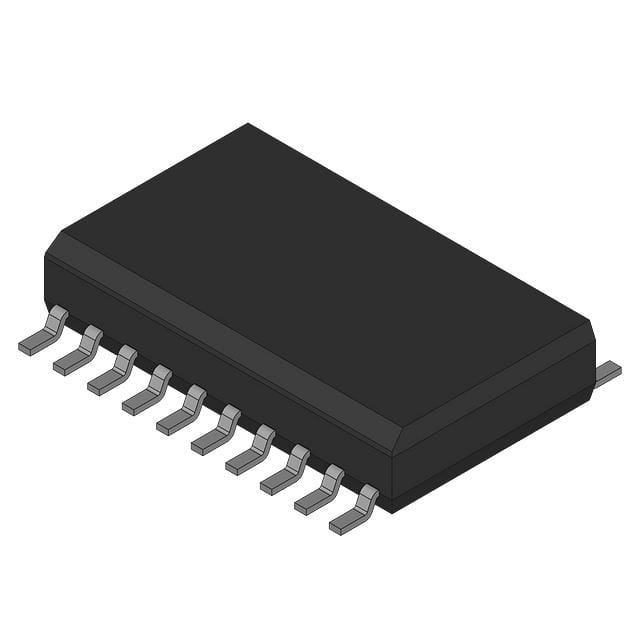
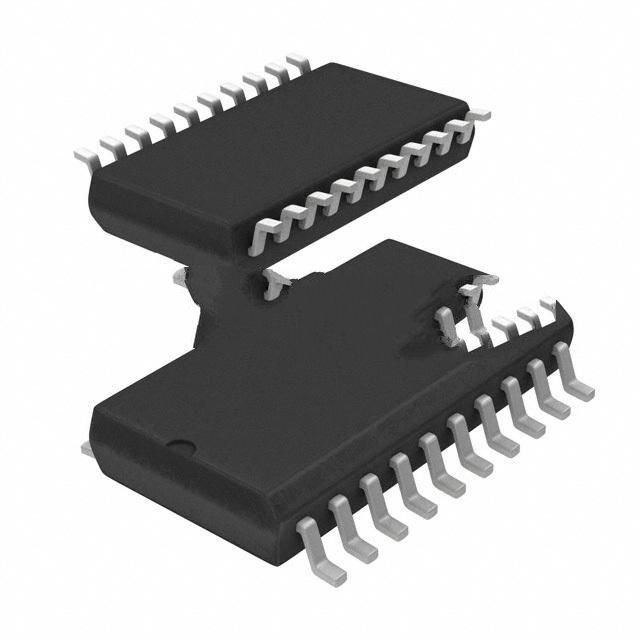
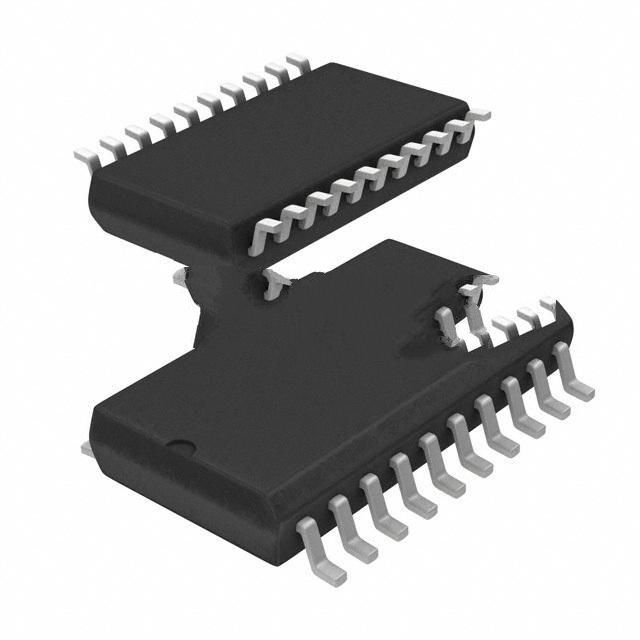
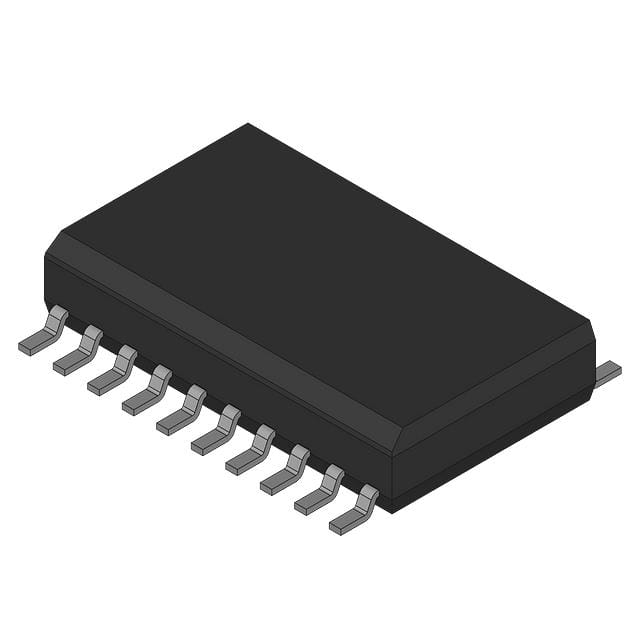
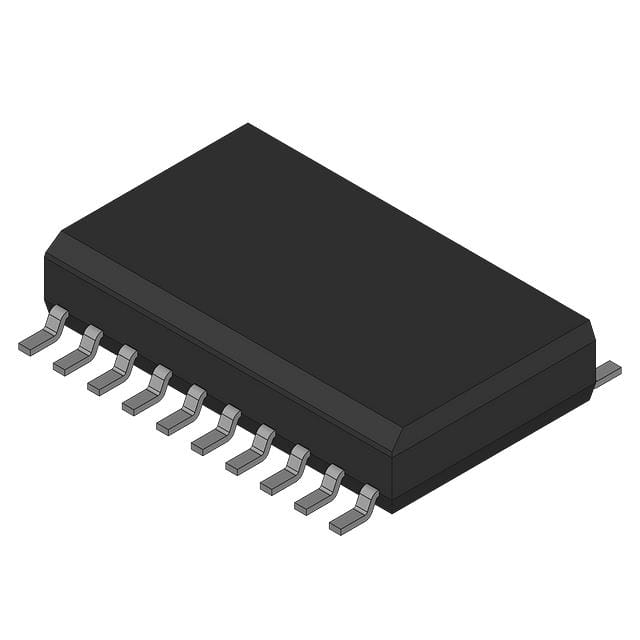
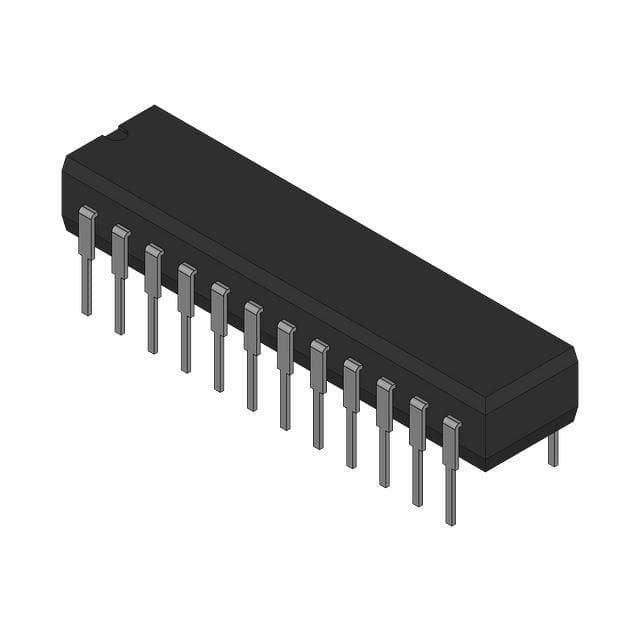
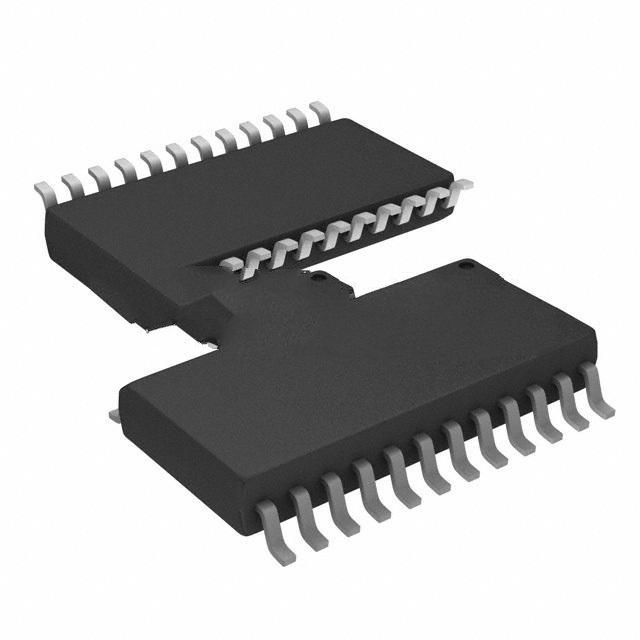
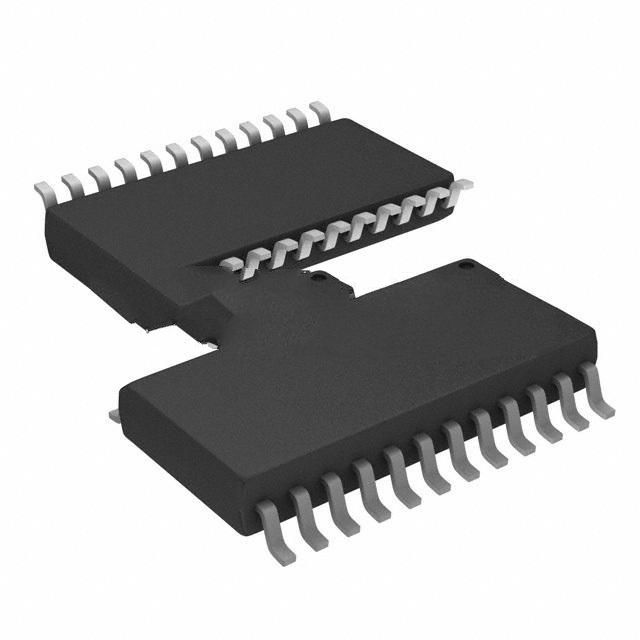
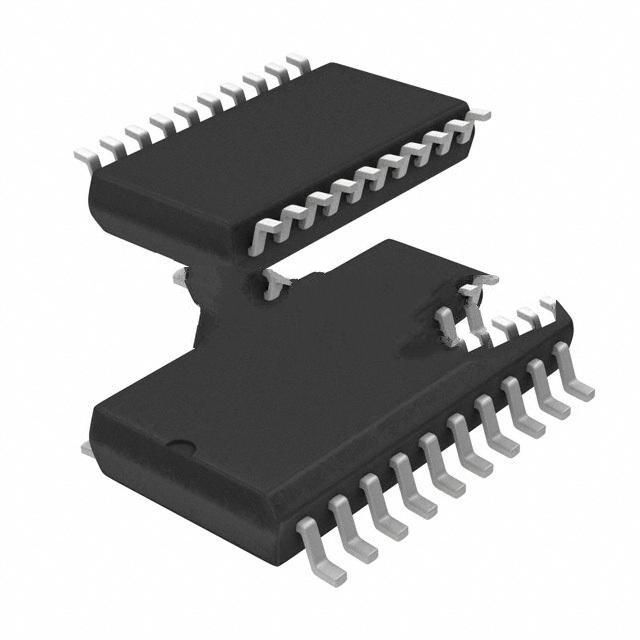
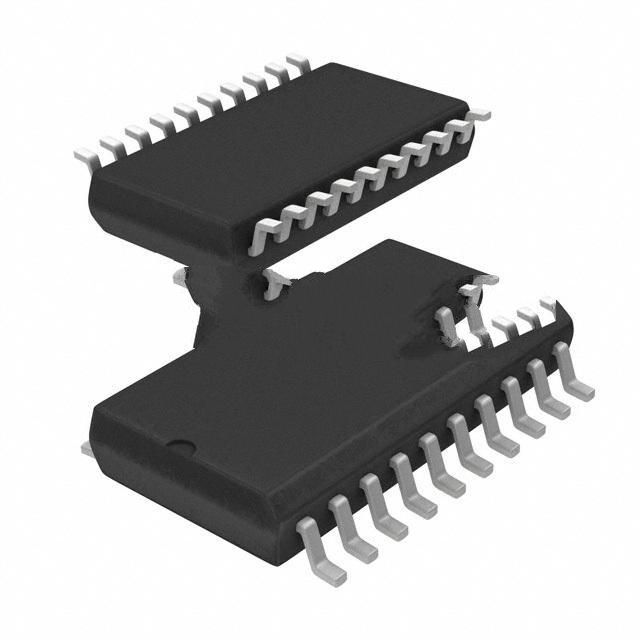
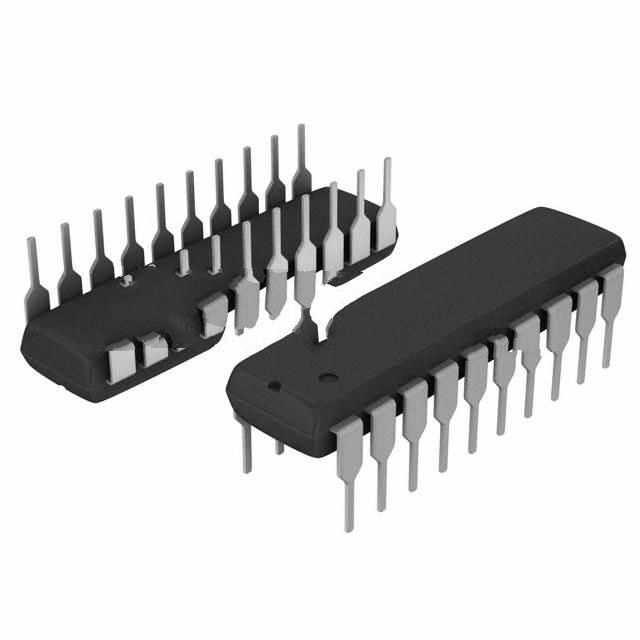
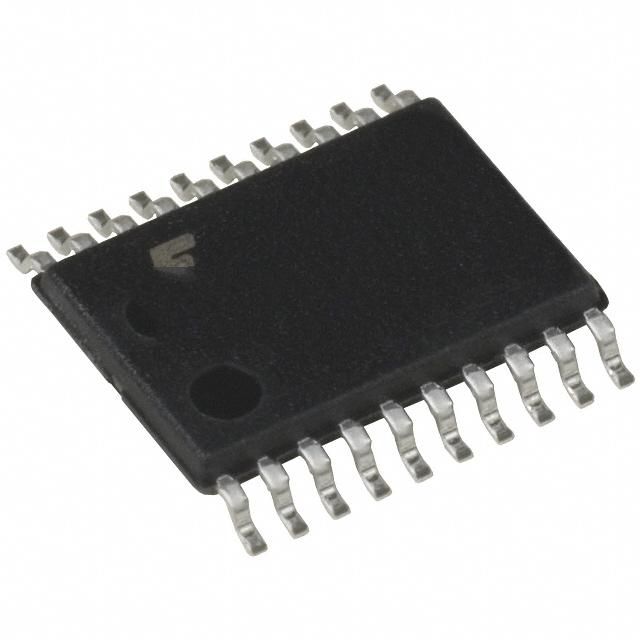
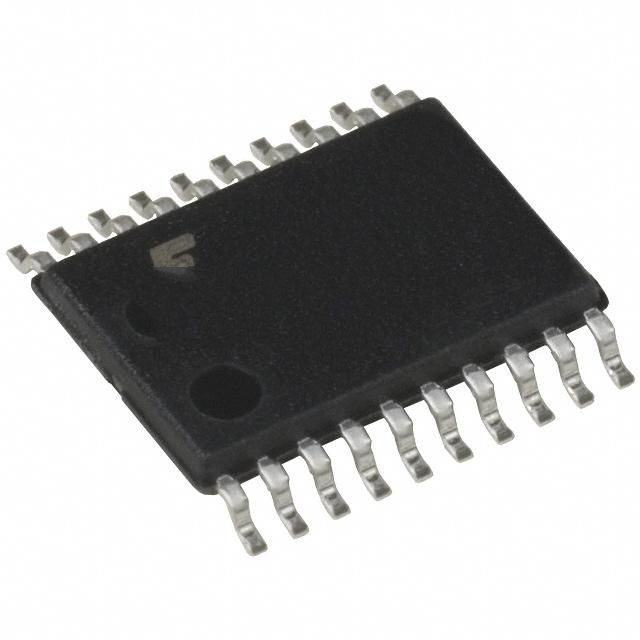
Logic - Latches: Latches play an important role in many application areas of integrated circuits. In the microprocessor, digital signal processor (DSP), field programmable gate array (FPGA) and other high-performance computing and logic control chips, the locking pin is widely used in registers, registers, triggers and other key components to achieve temporary data storage and state management. In addition, in the communication system, the locking pin is also often used in the circuit design of key links such as data synchronization and clock recovery to ensure the accuracy and stability of data transmission. In consumer electronics, automotive electronics, industrial automation and other fields, locking pins are also indispensable, they support the realization of a variety of complex functions, such as audio and video processing, sensor data reading, motor control and so on. In short, as a basic component in digital circuits, the locking pin has a wide range of applications, which is of great significance to improve the performance and stability of the system.
