
2040910-1 vs 2013289-2
| Part Number |
|
|
| Category | Memory Connectors - Inline Module Sockets | Memory Connectors - Inline Module Sockets |
| Manufacturer | TE Connectivity AMP Connectors | TE Connectivity AMP Connectors |
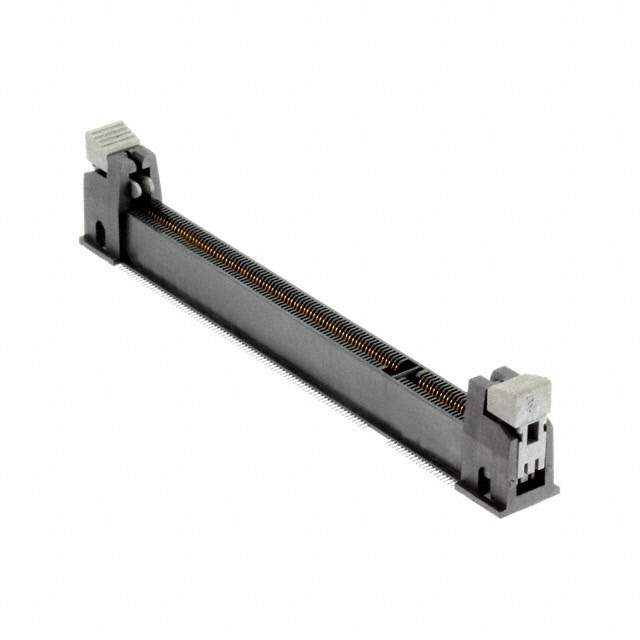
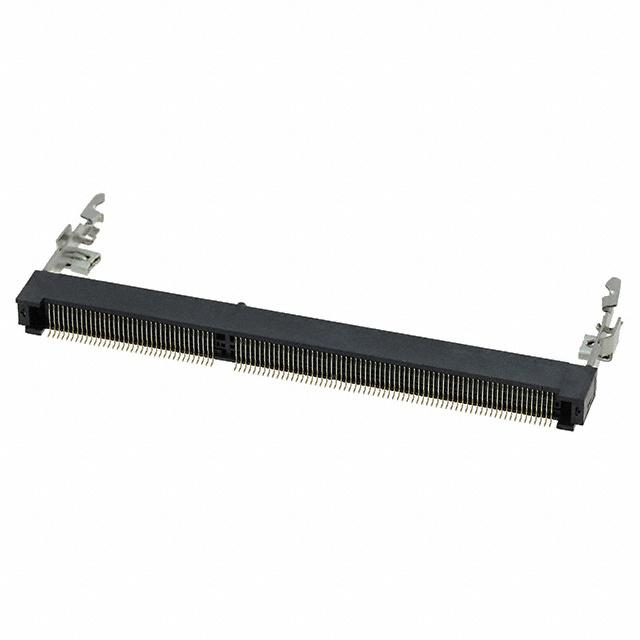
| Description | CONN SKT SODIMM 200POS SMD | CONN SKT SODIMM 204POS SMD |
| Package | - | - |
| Series | - | - |
| Features | Board Guide, Latches | Board Guide, Latches |
| Mounting Type | Surface Mount | Surface Mount, 25° Angle |
| Memory Type | DDR SDRAM | DDR3 SDRAM |
| Contact Finish | Gold | Gold |
| Number of Positions | 200 | 204 |
| Mounting Feature | Normal, Standard - Top | Normal, Standard - Top |
| Contact Finish Thickness | Flash | 10µin (0.25µm) |
| Connector Style | SODIMM | SODIMM |
-
1. What is a memory connector?
A memory connector is a hardware interface used to connect memory modules to motherboards or other electronic devices. They are commonly used in computers, servers, embedded systems and other devices to transfer data and power.
-
2. What is the main difference between a memory connector and an inline module socket?
A memory connector generally refers to all types of memory slots, including DIMMs, SO-DIMMs, etc., while an inline module socket usually refers to a type of socket with a compact design that is easy to install and remove.
-
3. How do memory connectors and sockets prevent signal interference?
High-quality memory connectors usually adopt precision design, use shielding materials and grounding design to reduce signal interference and noise. Reasonable PCB layout also helps improve signal transmission quality.
-
4. Does the memory connector support hot plugging?
Most memory connectors are not hot-swappable, meaning that plugging or unplugging a memory module while the device is powered on may damage the connector or the module. Always install or replace memory modules with power off.
