
211399-1 vs 182649-1
| Part Number |
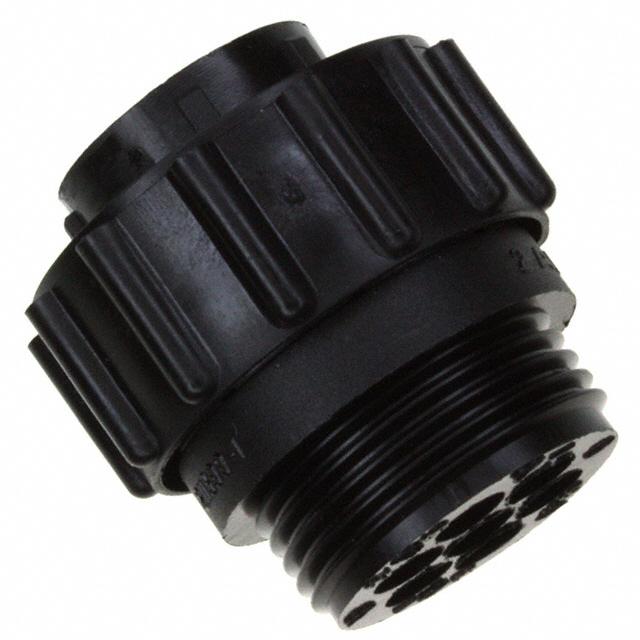
|
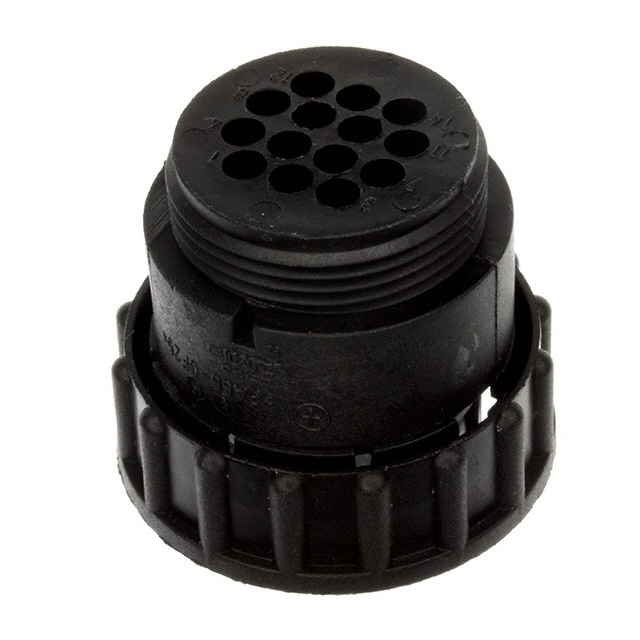
|
| Category | Circular Connectors - Housings | Circular Connectors - Housings |
| Manufacturer | TE Connectivity AMP Connectors | TE Connectivity AMP Connectors |
| Description | CONN PLUG HSG FMALE 7POS INLINE | CONN PLUG HSG MALE 14POS INLINE |
| Package | - | - |
| Series | CPC Series 1 | CPC Series 1 |
| Type | For Female Sockets | For Male Pins |
| Features | Coupling Nut | Coupling Nut |
| Mounting Type | Free Hanging (In-Line) | Free Hanging (In-Line) |
| Orientation | A | Keyed |
| Number of Positions | 7 | 14 |
| Connector Type | Plug Housing | Plug Housing |
| Shielding | Unshielded | Unshielded |
| Contact Type | Crimp | Crimp |
| Shell Size - Insert | 13-7 | 17-14 |
| Fastening Type | Threaded | Threaded |
| Contact Size | 16 | 16 |
| Shell Material | Polyamide (PA66), Nylon 6/6, Glass Filled | Thermoplastic |
| Housing Color | Black | Black |
| Material Flammability Rating | UL94 V-0 | UL94 V-0 |
-
1. What is the protection level of the circular connector housing?
The protection level is usually represented by an IP code, such as IP67. This level indicates the protective ability of the shell against solids (such as dust) and liquids (such as water). High IP rating is suitable for outdoor and harsh environments.
-
2. How to maintain the circular connector housing?
Regularly inspect the surface of the casing for wear or corrosion, ensuring that the seals are intact and kept clean. If necessary, aging or damaged casings and seals should be replaced in a timely manner.
-
3. How to choose the cable entry for the circular connector housing?
The size of the cable entry for the casing should be selected based on the diameter of the cable used, ensuring that the cable can be tightly clamped after passing through the entry to prevent tension from affecting the internal connection points of the connector.
-
4. How does the circular connector housing ensure the mechanical stress release of the cable?
The casing is usually equipped with cable clamps or stress relief devices, which firmly fix the cable to prevent mechanical stress caused by pulling or bending from being transmitted to the electrical connection part of the connector, thereby extending the life of the connector.
