
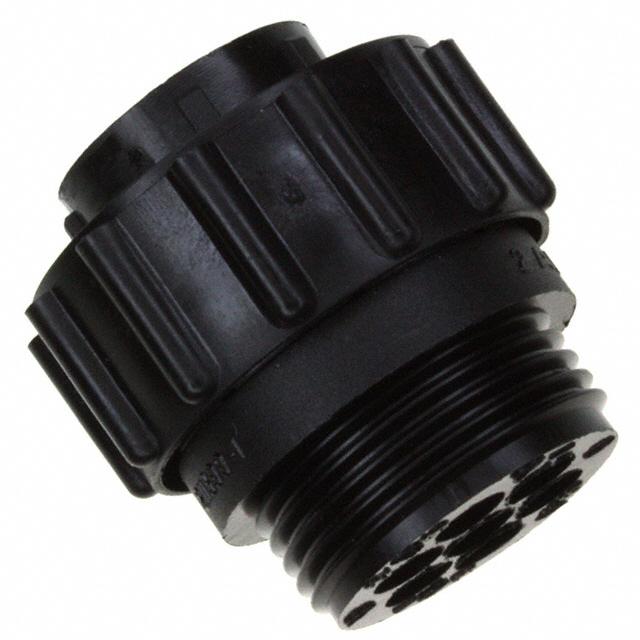
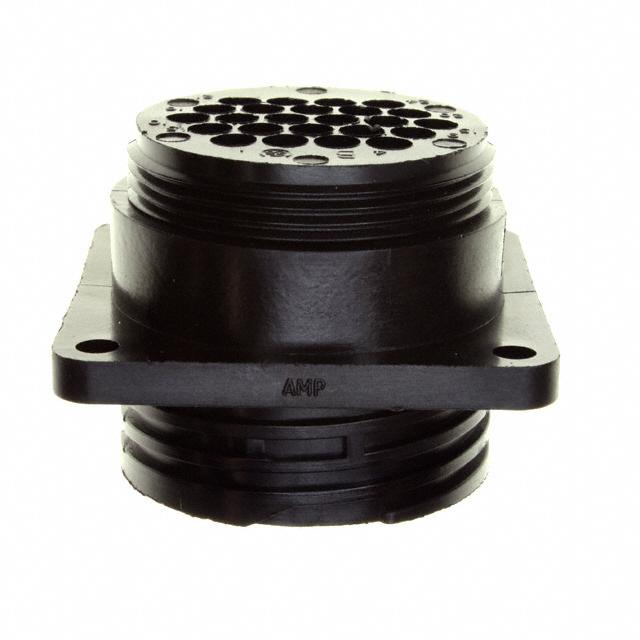
211399-1 vs 206838-1
| Part Number |
|
|
| Category | Circular Connectors - Housings | Circular Connectors - Housings |
| Manufacturer | TE Connectivity AMP Connectors | TE Connectivity AMP Connectors |
| Description | CONN PLUG HSG FMALE 7POS INLINE | CONN RCPT HSNG MALE 24POS PNL MT |
| Package | - | - |
| Series | CPC Series 1 | CPC Series 1 |
| Type | For Female Sockets | For Male Pins |
| Features | Coupling Nut | - |
| Mounting Type | Free Hanging (In-Line) | Panel Mount |
| Orientation | A | A |
| Number of Positions | 7 | 24 |
| Connector Type | Plug Housing | Receptacle Housing |
| Shielding | Unshielded | Unshielded |
| Contact Type | Crimp | Crimp |
| Shell Size - Insert | 13-7 | 23-24 |
| Fastening Type | Threaded | Threaded |
| Contact Size | 16 | 16 |
| Shell Material | Polyamide (PA66), Nylon 6/6, Glass Filled | Polyamide (PA), Nylon |
| Housing Color | Black | Black |
| Material Flammability Rating | UL94 V-0 | UL94 V-0 |
| Mounting Feature | - | Flange |
-
1. What is the main function of the circular connector housing?
The shell mainly plays a protective and fixing role, protecting the connector from external environmental influences such as moisture, dust, and impact, and ensuring a secure connection of the cable to prevent cable loosening.
-
2. How to ensure compatibility between the casing and internal connectors?
When selecting a casing, it is necessary to confirm its size, thread specifications, installation method, and compatibility with internal connectors to ensure that the casing can be fully adapted.
-
3. How can circular connector housings improve the durability of connectors?
The shell can significantly extend the service life of the connector in harsh environments by providing protective measures such as mechanical strength, dust prevention, and waterproofing.
-
4. How to choose the cable entry for the circular connector housing?
The size of the cable entry for the casing should be selected based on the diameter of the cable used, ensuring that the cable can be tightly clamped after passing through the entry to prevent tension from affecting the internal connection points of the connector.
