
211769-1 vs 206037-2
| Part Number |
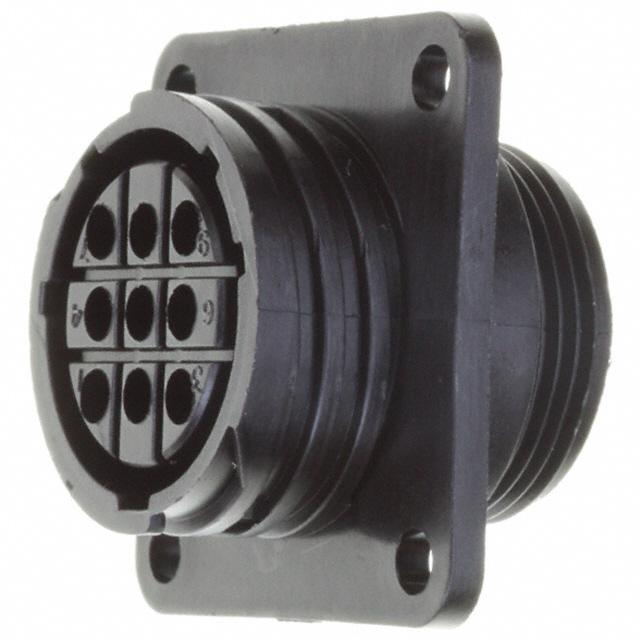
|
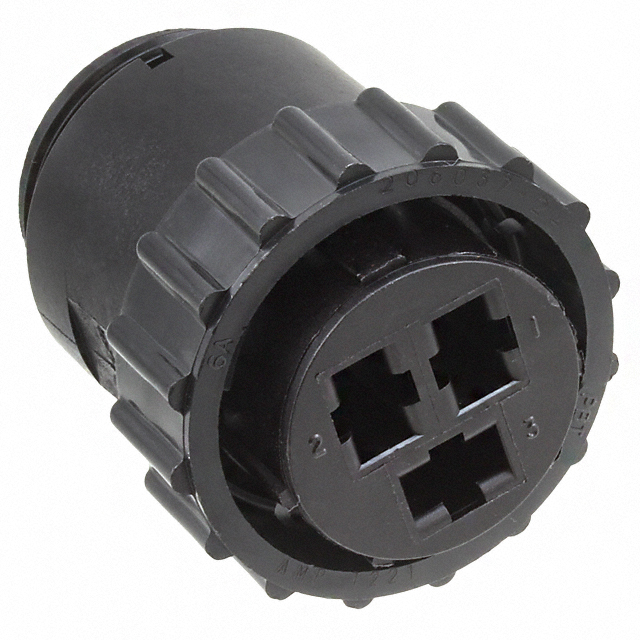
|
| Category | Circular Connectors - Housings | Circular Connectors - Housings |
| Manufacturer | TE Connectivity AMP Connectors | TE Connectivity AMP Connectors |
| Description | CONN RCPT HSNG FMALE 9POS PNL MT | CONN PLG HSG FMALE 3POS INLINE |
| Package | - | - |
| Series | CPC Series 1 | CPC Series 3 |
| Type | For Female Sockets | For Female Sockets |
| Mounting Type | Panel Mount | Free Hanging (In-Line) |
| Orientation | A | A |
| Number of Positions | 9 | 3 (Power) |
| Mounting Feature | Flange | - |
| Connector Type | Receptacle Housing | Plug Housing |
| Shielding | Unshielded | Unshielded |
| Contact Type | Crimp | Crimp |
| Shell Size - Insert | 17-9 | 17-3 |
| Fastening Type | Threaded | Threaded |
| Contact Size | 16 | - |
| Shell Material | Thermoplastic | Polyamide (PA66), Nylon 6/6, Glass Filled |
| Housing Color | Black | Black |
| Material Flammability Rating | UL94 V-0 | UL94 V-0 |
| Features | - | Coupling Nut |
-
1. How can circular connector housings improve the durability of connectors?
The shell can significantly extend the service life of the connector in harsh environments by providing protective measures such as mechanical strength, dust prevention, and waterproofing.
-
2. Can the circular connector housing be customized?
Yes, many manufacturers offer customized shell services, including customized materials, colors, sizes, and specific environmental adaptability requirements to meet specific application needs.
-
3. What are the advantages of circular connector housings in outdoor applications?
The shell provides protection level, weather resistance, and corrosion resistance, ensuring that the connector operates stably for a long time in humid, extreme temperature, and outdoor environments.
-
4. What is the temperature range of the circular connector housing?
The operating temperature range of the casing depends on the material used. Metal casings typically operate within the range of -55 ° C to+125 ° C, while plastic casings may be suitable for lower temperature ranges.
