
211769-1 vs 27911-13T9
| Part Number |
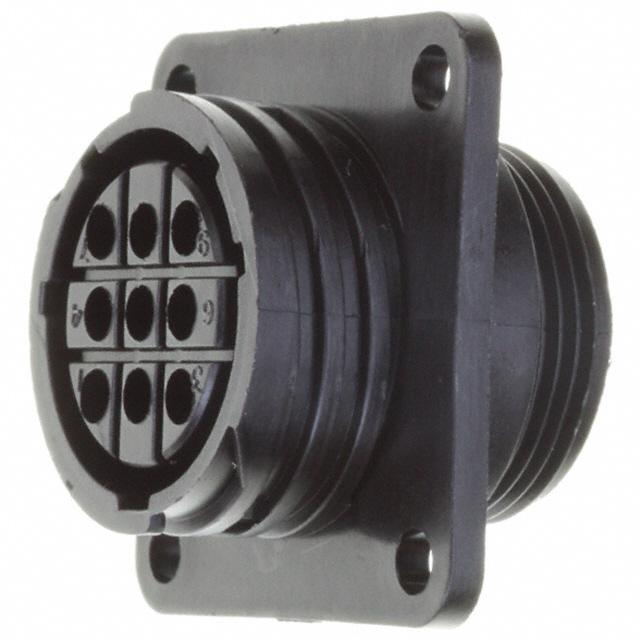
|
|
| Category | Circular Connectors - Housings | Circular Connectors - Contacts |
| Manufacturer | TE Connectivity AMP Connectors | ITT Cannon, LLC |
| Description | CONN RCPT HSNG FMALE 9POS PNL MT | CONTACT PIN 20-26AWG CRIMP SLVR |
| Package | - | - |
| Series | CPC Series 1 | MIL-DTL-5015, CIR |
| Type | For Female Sockets | Machined |
| Mounting Type | Panel Mount | - |
| Orientation | A | - |
| Number of Positions | 9 | - |
| Mounting Feature | Flange | - |
| Connector Type | Receptacle Housing | - |
| Shielding | Unshielded | - |
| Contact Type | Crimp | Pin |
| Shell Size - Insert | 17-9 | - |
| Fastening Type | Threaded | - |
| Contact Size | 16 | 16S |
| Shell Material | Thermoplastic | - |
| Housing Color | Black | - |
| Material Flammability Rating | UL94 V-0 | - |
| Contact Finish | - | Silver |
| Contact Termination | - | Crimp |
| Wire Gauge or Range - AWG | - | 20-26 AWG |
| Wire Gauge or Range - mm² | - | 0.15 ~ 0.6mm² |
-
1. What is a circular connector housing?
A circular connector housing is a structural component used to protect internal connectors and cables, typically providing mechanical support and environmental sealing to prevent dust, water, chemicals, or physical damage.
-
2. Does the circular connector housing have shielding function?
Some metal casings provide electromagnetic shielding (EMI/RFI) for high-frequency signal transmission applications to prevent electromagnetic interference.
-
3. How to choose the cable entry for the circular connector housing?
The size of the cable entry for the casing should be selected based on the diameter of the cable used, ensuring that the cable can be tightly clamped after passing through the entry to prevent tension from affecting the internal connection points of the connector.
-
4. How does the circular connector housing ensure the mechanical stress release of the cable?
The casing is usually equipped with cable clamps or stress relief devices, which firmly fix the cable to prevent mechanical stress caused by pulling or bending from being transmitted to the electrical connection part of the connector, thereby extending the life of the connector.
