
211773-1 vs 211401-1
| Part Number |
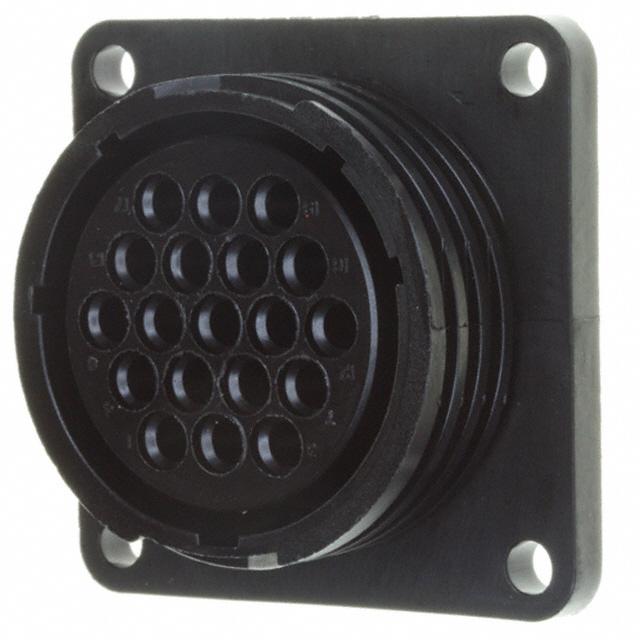
|
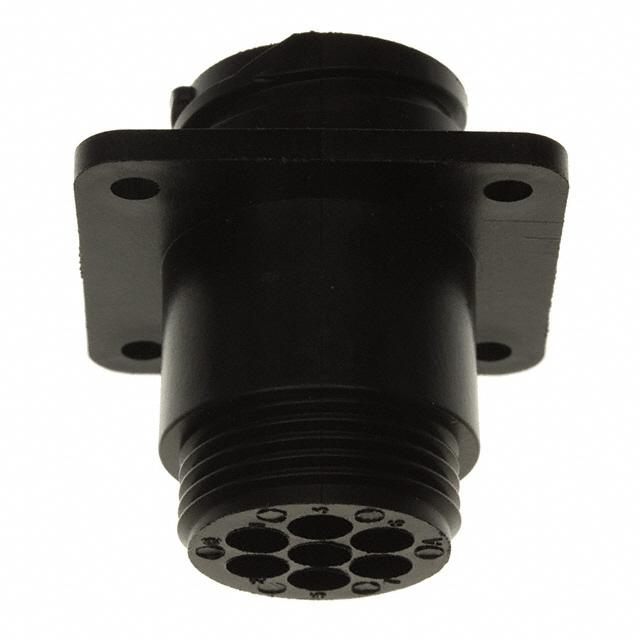
|
| Category | Circular Connectors - Housings | Circular Connectors - Housings |
| Manufacturer | TE Connectivity AMP Connectors | TE Connectivity AMP Connectors |
| Description | CONN RCPT HSG FMALE 19POS PNL MT | CONN RCPT HSNG MALE 7POS PNL MNT |
| Package | - | - |
| Series | CPC Series 1 | CPC Series 1 |
| Type | For Female Sockets | For Male Pins |
| Mounting Type | Panel Mount | Panel Mount |
| Orientation | A | A |
| Number of Positions | 19 | 7 |
| Mounting Feature | Flange | Flange |
| Connector Type | Receptacle Housing | Receptacle Housing |
| Shielding | Unshielded | Unshielded |
| Contact Type | Crimp | Crimp |
| Shell Size - Insert | 23-19 | 13-7 |
| Fastening Type | Threaded | Threaded |
| Contact Size | 16 | 16 |
| Shell Material | Polyamide (PA), Nylon | Thermoplastic |
| Housing Color | Black | Black |
| Material Flammability Rating | UL94 V-0 | UL94 V-0 |
-
1. What are the common materials for circular connector housings?
Common shell materials include metal (such as aluminum, stainless steel) and plastic. Metal casings typically have better shielding and corrosion resistance, while plastic casings are lightweight and suitable for applications that do not require shielding.
-
2. How to choose a suitable circular connector housing?
When choosing a casing, the following factors need to be considered:
Application environment (indoor, outdoor or industrial environment)
Protection level
Connector type and specifications
Required shielding performance
Materials and corrosion resistance performance -
3. Does the circular connector housing have shielding function?
Some metal casings provide electromagnetic shielding (EMI/RFI) for high-frequency signal transmission applications to prevent electromagnetic interference.
-
4. What are the advantages of plastic shells compared to metal shells?
The plastic casing is lightweight, cost-effective, corrosion-resistant, and suitable for low-power applications and indoor environments. The metal casing provides better strength, impact resistance, and shielding performance.
