
211773-1 vs 211769-1
| Part Number |
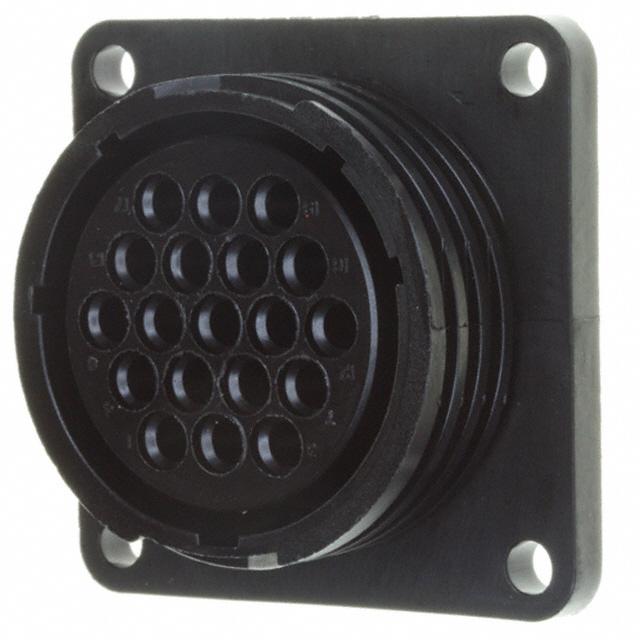
|
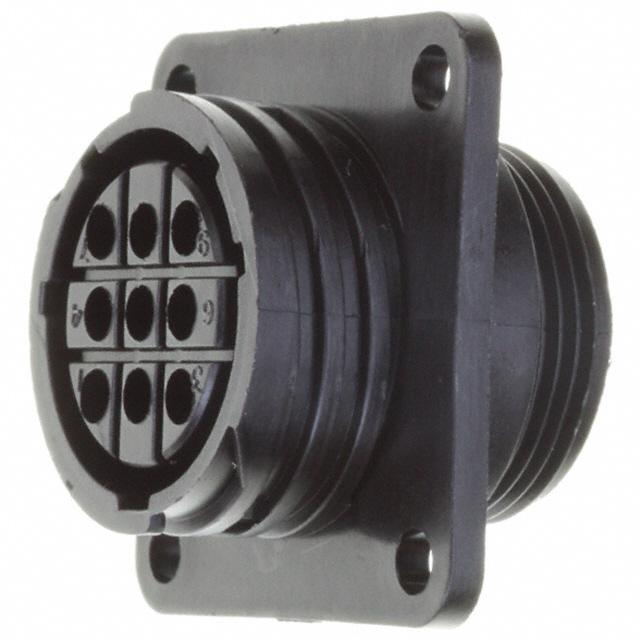
|
| Category | Circular Connectors - Housings | Circular Connectors - Housings |
| Manufacturer | TE Connectivity AMP Connectors | TE Connectivity AMP Connectors |
| Description | CONN RCPT HSG FMALE 19POS PNL MT | CONN RCPT HSNG FMALE 9POS PNL MT |
| Package | - | - |
| Series | CPC Series 1 | CPC Series 1 |
| Type | For Female Sockets | For Female Sockets |
| Mounting Type | Panel Mount | Panel Mount |
| Orientation | A | A |
| Number of Positions | 19 | 9 |
| Mounting Feature | Flange | Flange |
| Connector Type | Receptacle Housing | Receptacle Housing |
| Shielding | Unshielded | Unshielded |
| Contact Type | Crimp | Crimp |
| Shell Size - Insert | 23-19 | 17-9 |
| Fastening Type | Threaded | Threaded |
| Contact Size | 16 | 16 |
| Shell Material | Polyamide (PA), Nylon | Thermoplastic |
| Housing Color | Black | Black |
| Material Flammability Rating | UL94 V-0 | UL94 V-0 |
-
1. What is the main function of the circular connector housing?
The shell mainly plays a protective and fixing role, protecting the connector from external environmental influences such as moisture, dust, and impact, and ensuring a secure connection of the cable to prevent cable loosening.
-
2. What are the installation methods for circular connector housings?
Common installation methods include panel installation, PCB installation, or free hanging. Choosing the appropriate installation method for the casing should consider the overall design requirements of the system.
-
3. What is the temperature range of the circular connector housing?
The operating temperature range of the casing depends on the material used. Metal casings typically operate within the range of -55 ° C to+125 ° C, while plastic casings may be suitable for lower temperature ranges.
-
4. How does the circular connector housing ensure the mechanical stress release of the cable?
The casing is usually equipped with cable clamps or stress relief devices, which firmly fix the cable to prevent mechanical stress caused by pulling or bending from being transmitted to the electrical connection part of the connector, thereby extending the life of the connector.
