
AD648CH vs LPC660AMD
| Part Number |
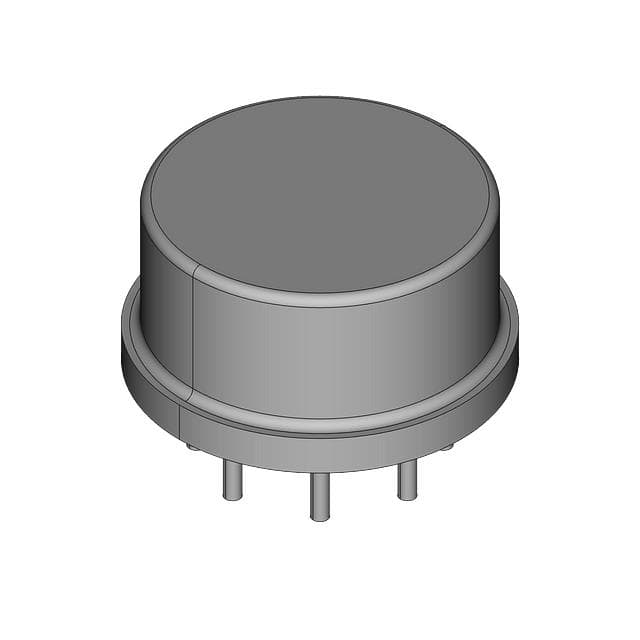
|
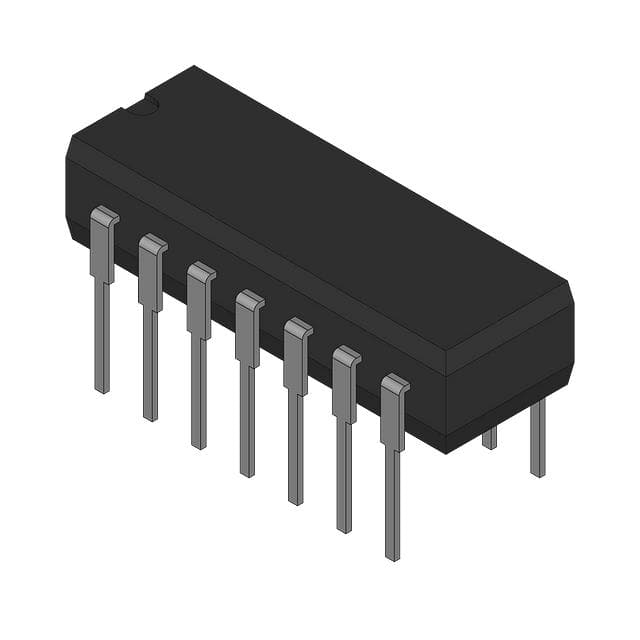
|
| Category | Linear - Amplifiers - Instrumentation, OP Amps, Buffer Amps | Linear - Amplifiers - Instrumentation, OP Amps, Buffer Amps |
| Manufacturer | Analog Devices Inc. | National Semiconductor |
| Description | DUAL OP AMP | OPERATIONAL AMPLIFIER |
| Package | Bulk | Bulk |
| Series | - | - |
| Operating Temperature | 0°C ~ 70°C | -55°C ~ 125°C |
| Mounting Type | Surface Mount | Through Hole |
| Package / Case | 8-SOIC (0.154\", 3.90mm Width) | 14-CDIP (0.300\", 7.62mm) |
| Supplier Device Package | 8-SOIC | 14-CERDIP |
| Current - Supply | 340µA (x2 Channels) | 160µA (x4 Channels) |
| Output Type | - | Push-Pull, Rail-to-Rail |
| Number of Circuits | 2 | 4 |
| Voltage - Supply, Single/Dual (±) | ±4.5V ~ 18V | 4.75V ~ 15.5V, ±2.38V ~ 7.75V |
| Current - Output / Channel | 15 mA | 40 mA |
| -3db Bandwidth | 1 MHz | - |
| Amplifier Type | J-FET | CMOS |
| Current - Input Bias | 3 pA | 0.002 pA |
| Voltage - Input Offset | 300 µV | 1 mV |
| Slew Rate | 1.8V/µs | 0.11V/µs |
| Gain Bandwidth Product | 1 MHz | 350 kHz |
-
1. What is the difference between an instrumentation amplifier and an operational amplifier?
Instrumentation amplifiers integrate multi-stage operational amplifiers for precise amplification of differential signals, while operational amplifiers are more versatile and can perform a wide range of analog signal processing tasks. Instrumentation amplifiers have higher input impedance and better common mode rejection.
-
2. What is Common Mode Rejection Ratio (CMRR) and why is it important for instrumentation amplifiers?
CMRR indicates an instrumentation amplifier's ability to suppress common mode signals, with higher values being better. A high CMRR is especially important in noisy environments to ensure that the amplifier primarily amplifies differential signals and is not affected by common mode interference.
-
3. What is a gain adjustable instrumentation amplifier?
Gain-adjustable instrumentation amplifiers allow the gain to be adjusted by external resistors or digital controls to accommodate the dynamic range of different signal sources. These amplifiers are commonly used in a variety of sensor systems.
-
4. What is Slew Rate and how does it affect op amp performance?
Slew rate is the maximum rate of change of an operational amplifier's output voltage over time. Higher slew rates are good for fast-changing signals and can handle higher frequency inputs, while lower slew rates can cause signal distortion.
