
AD648CH vs OP64FJ
| Part Number |
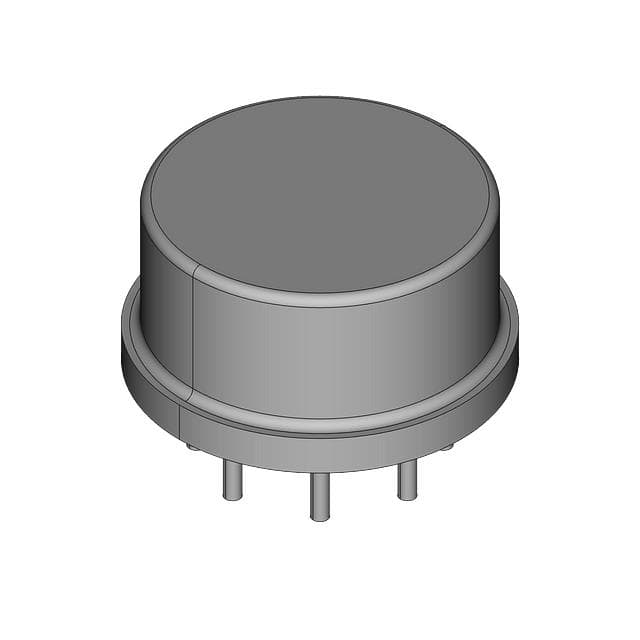
|
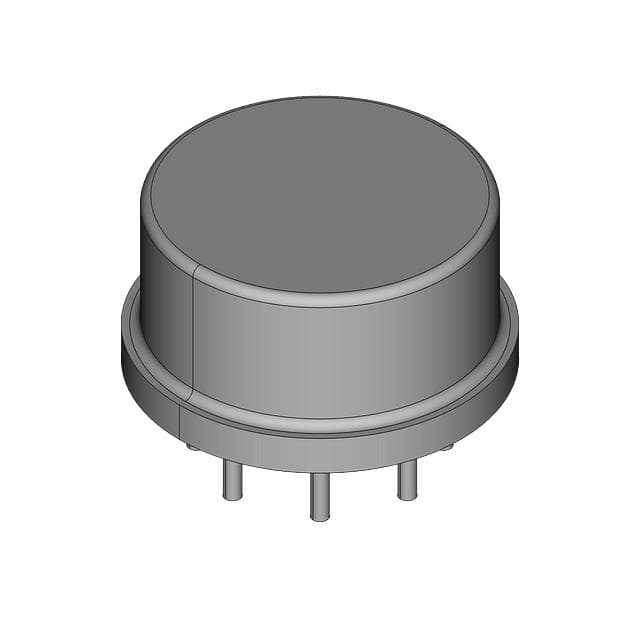
|
| Category | Linear - Amplifiers - Instrumentation, OP Amps, Buffer Amps | Linear - Amplifiers - Instrumentation, OP Amps, Buffer Amps |
| Manufacturer | Analog Devices Inc. | Analog Devices Inc. |
| Description | DUAL OP AMP | HIGH-SPEED, WIDE B/W OP AMP |
| Package | Bulk | Bulk |
| Series | - | - |
| Operating Temperature | 0°C ~ 70°C | -40°C ~ 85°C |
| Mounting Type | Surface Mount | Through Hole |
| Package / Case | 8-SOIC (0.154\", 3.90mm Width) | TO-99-8 Metal Can |
| Supplier Device Package | 8-SOIC | TO-99 |
| Current - Supply | 340µA (x2 Channels) | 6.2mA |
| Output Type | - | - |
| Number of Circuits | 2 | 1 |
| Voltage - Supply, Single/Dual (±) | ±4.5V ~ 18V | ±5V ~ 18V |
| Current - Output / Channel | 15 mA | 80 mA |
| -3db Bandwidth | 1 MHz | 2.7 MHz |
| Amplifier Type | J-FET | General Purpose |
| Current - Input Bias | 3 pA | 400 nA |
| Voltage - Input Offset | 300 µV | 800 µV |
| Slew Rate | 1.8V/µs | 170V/µs |
| Gain Bandwidth Product | 1 MHz | 80 MHz |
-
1. What is a rail-to-rail operational amplifier and what are its advantages?
Rail-to-rail op amps are capable of extending the output voltage range to the limit of the supply voltage (i.e., the “rail”), allowing them to handle large dynamic range signals even at low supply voltages, making them particularly suitable for low-voltage power supply systems and portable devices.
-
2. What is a Buffer Amp and what is its function?
A Buffer Amp is an amplifier with a unit gain that is mainly used in voltage follower circuits to provide a high input impedance and a low output impedance to isolate the signal source from the load and prevent signal distortion or attenuation.
-
3. What are the application scenarios of buffer amplifiers?
Buffer amplifiers are commonly used in signal isolation, impedance matching, voltage follower and power amplification scenarios, and are suitable for protecting weak signal sources from load effects in signal processing chains.
-
4. Why do buffer amplifiers have high input impedance and low output impedance?
A high input impedance ensures that no load is applied to the preamplifier circuitry, preventing signal degradation, while a low output impedance provides a large driving capacity, ensuring that the signal can be passed on to subsequent circuits without loss.
