
ALPHA7/4M/FMEF/SMAM/S/S/11 vs TLS.30.1F11
| Part Number |

|
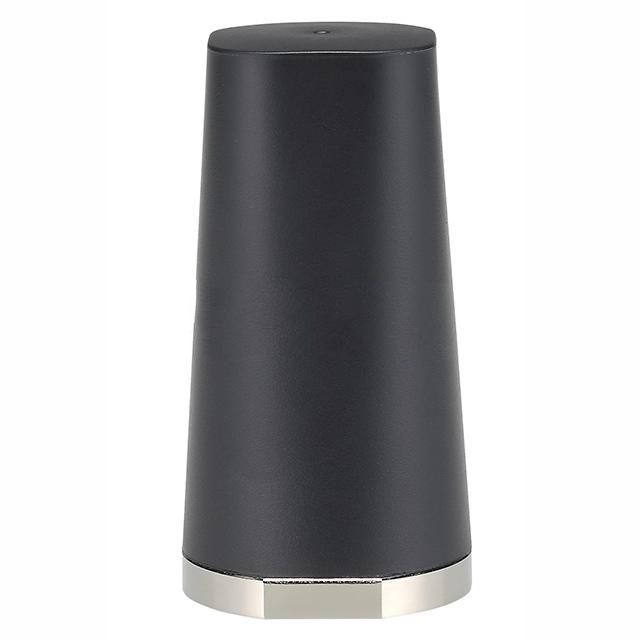
|
| Category | RF Antennas | RF Antennas |
| Manufacturer | Siretta Ltd | Taoglas Limited |
| Description | ANT PUCK FME FEMALE ADHESIVE MNT | ANTENNA |
| Package | - | - |
| Series | ALPHA 7 | Shockwave |
| Mounting Type | Adhesive | Base Mount |
| Applications | GPRS, GPS, GSM | ISM |
| Gain | 27dB | -1.19dBi |
| Frequency Group | UHF (300 MHz ~ 1 GHz), UHF (1 GHz ~ 2 GHz) | UHF (300 MHz ~ 1 GHz) |
| Frequency (Center/Band) | 900MHz, 1.575GHz, 1.8GHz | 433MHz |
| Antenna Type | Puck | Whip, Straight |
| Number of Bands | 3 | 1 |
| VSWR | 2 | - |
| Termination | Connector, FME Female | Connector, N Male |
| Height (Max) | 0.689" (17.50mm) | 3.128" (79.45mm) |
| Return Loss | - | -15dB |
| Power - Max | - | 100W |
| Ingress Protection | - | IP67, IP69K |
-
1. What types of RF antennas are available?
Common types include omnidirectional, directional, patch, dipole, and Yagi antennas, each serving specific use cases based on signal coverage and range requirements.
-
2. How do I select the right RF antenna for my application?
Consider factors like frequency range, gain, polarization, VSWR (Voltage Standing Wave Ratio), and environmental conditions to choose the most suitable antenna.
-
3. What is an embedded RF antenna?
Embedded antennas are integrated into devices such as smartphones or IoT sensors, designed to be compact while maintaining signal performance.
-
4. Can RF antennas be used for both transmitting and receiving signals?
Yes, most RF antennas are designed to work bidirectionally, capable of both transmitting and receiving signals within their specified frequency range.
