
AS4C128M8D3LB-12BIN vs AS4C16M16MSA-6BIN
| Part Number |
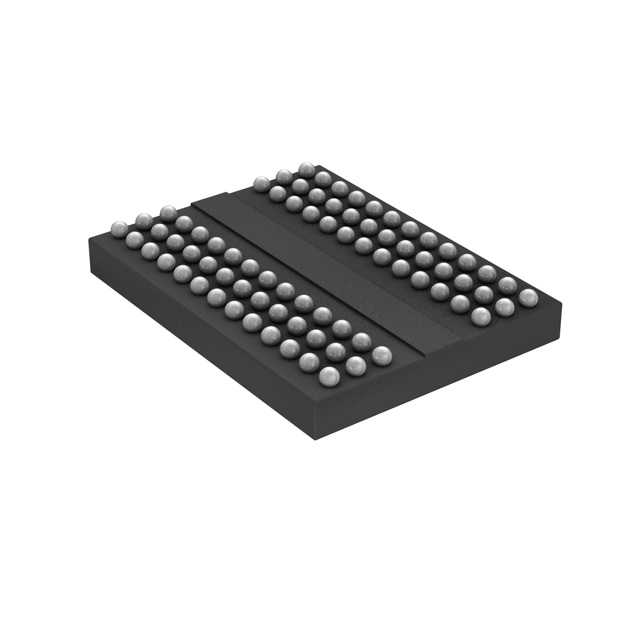
|
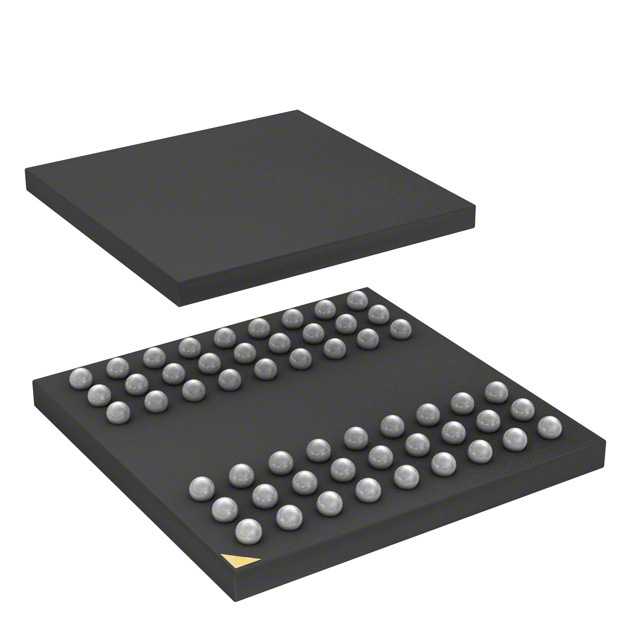
|
| Category | General Memory | General Memory |
| Manufacturer | Alliance Memory, Inc. | Alliance Memory, Inc. |
| Description | IC DRAM 1GBIT PARALLEL 78FBGA | IC DRAM 256MBIT PARALLEL 54FBGA |
| Package | Tray | Tray |
| Series | - | - |
| Voltage - Supply | 1.283V ~ 1.45V | 1.7V ~ 1.95V |
| Operating Temperature | -40°C ~ 95°C (TC) | -40°C ~ 85°C (TA) |
| Mounting Type | Surface Mount | Surface Mount |
| Package / Case | 78-VFBGA | 54-VFBGA |
| Supplier Device Package | 78-FBGA (8x10.5) | 54-FBGA (8x8) |
| Memory Size | 1Gb (128M x 8) | 256Mb (16M x 16) |
| Technology | SDRAM - DDR3L | SDRAM - Mobile SDRAM |
| Memory Type | Volatile | Volatile |
| Clock Frequency | 800 MHz | 166 MHz |
| Access Time | 20 ns | 5.5 ns |
| Memory Format | DRAM | DRAM |
| Write Cycle Time - Word, Page | 15ns | - |
| Memory Interface | Parallel | Parallel |
-
1. What is the difference between RAM and ROM?
RAM is volatile storage and is used to temporarily store data; while ROM is non-volatile storage, which can still save data after the device is turned off, and is usually used to store unchangeable data such as system startup programs.
-
2. What is flash memory and what are the common types of flash memory?
Flash memory is a non-volatile memory used to store data, and the data will not be lost even if the device is powered off. Common types are NAND and NOR flash memory, which are mainly used in USB flash drives, SSDs, memory cards, etc.
-
3. What is the difference between cache and RAM?
Cache is a high-speed memory between the CPU and the main memory, which is used to temporarily store data and instructions commonly used by the CPU to speed up the system. RAM is the main storage of the system, which is used to store data for applications and operating systems.
-
4. Why is the DRAM refresh rate important?
DRAM needs to be refreshed regularly to maintain data. The refresh rate affects the power consumption and speed of the memory. The higher the refresh rate, the faster the memory responds, but it also increases power consumption.
