
AS4C16M16MSA-6BIN vs IS34ML01G081-TLI
| Part Number |
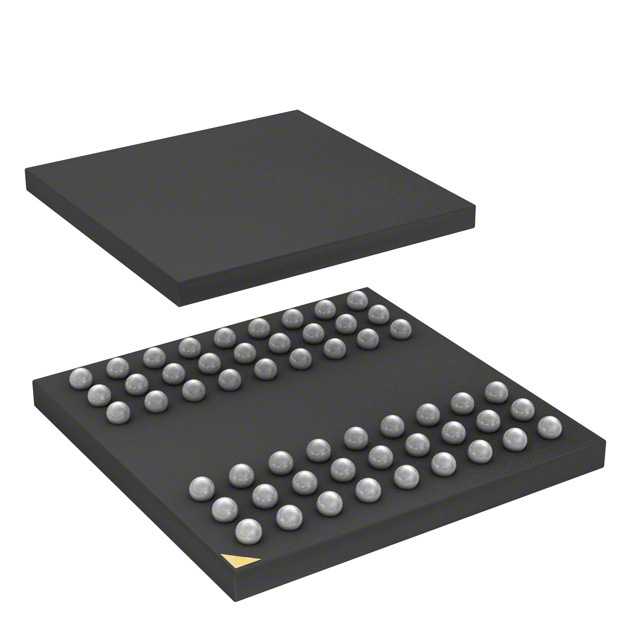
|
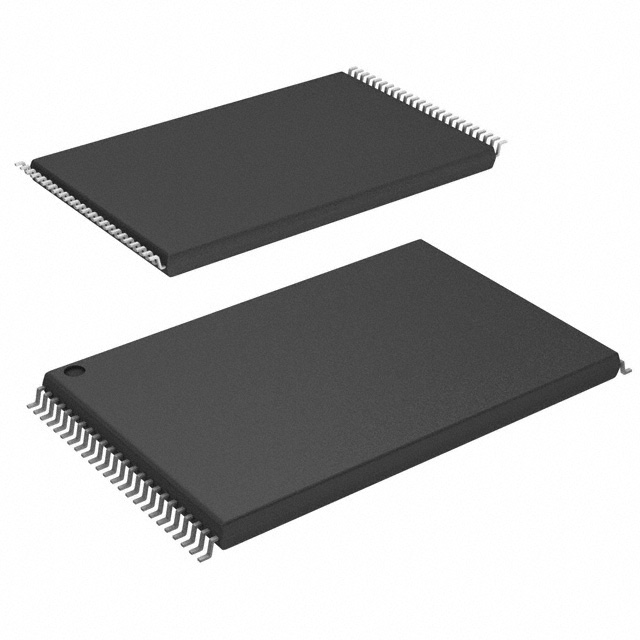
|
| Category | General Memory | General Memory |
| Manufacturer | Alliance Memory, Inc. | ISSI, Integrated Silicon Solution Inc |
| Description | IC DRAM 256MBIT PARALLEL 54FBGA | IC FLASH 1GBIT PARALLEL 48TSOP |
| Package | Tray | Tray |
| Series | - | - |
| Voltage - Supply | 1.7V ~ 1.95V | 2.7V ~ 3.6V |
| Operating Temperature | -40°C ~ 85°C (TA) | -40°C ~ 85°C (TA) |
| Mounting Type | Surface Mount | Surface Mount |
| Package / Case | 54-VFBGA | 48-TFSOP (0.724\", 18.40mm Width) |
| Supplier Device Package | 54-FBGA (8x8) | 48-TSOP |
| Memory Size | 256Mb (16M x 16) | 1Gb (128M x 8) |
| Technology | SDRAM - Mobile SDRAM | FLASH - NAND (SLC) |
| Memory Type | Volatile | Non-Volatile |
| Clock Frequency | 166 MHz | - |
| Access Time | 5.5 ns | 25 ns |
| Memory Format | DRAM | FLASH |
| Write Cycle Time - Word, Page | - | 25ns |
| Memory Interface | Parallel | Parallel |
-
1. What is flash memory and what are the common types of flash memory?
Flash memory is a non-volatile memory used to store data, and the data will not be lost even if the device is powered off. Common types are NAND and NOR flash memory, which are mainly used in USB flash drives, SSDs, memory cards, etc.
-
2. What is double data rate (DDR) memory?
DDR memory is a RAM technology that can transmit data at both the rising and falling edges of the clock signal to increase the data transmission speed. There are multiple generations of DDR, such as DDR3, DDR4, DDR5, etc., each generation has higher speed and capacity and lower power consumption.
-
3. How to measure the data read and write speed of memory?
The read and write speed of memory is usually expressed in MB/s or GB/s, reflecting the amount of data it processes per second. The faster the speed, the higher the data transmission efficiency.
-
4. What is the memory hierarchy in a computer?
The computer memory hierarchy includes registers, cache, main memory (RAM), secondary storage (such as HDD or SSD), and external storage (such as tape, optical disk) from speed to capacity, and each level has different storage and access speeds.
