
BAS40-04/ZLR vs 1PS301/ZLX
| Part Number |
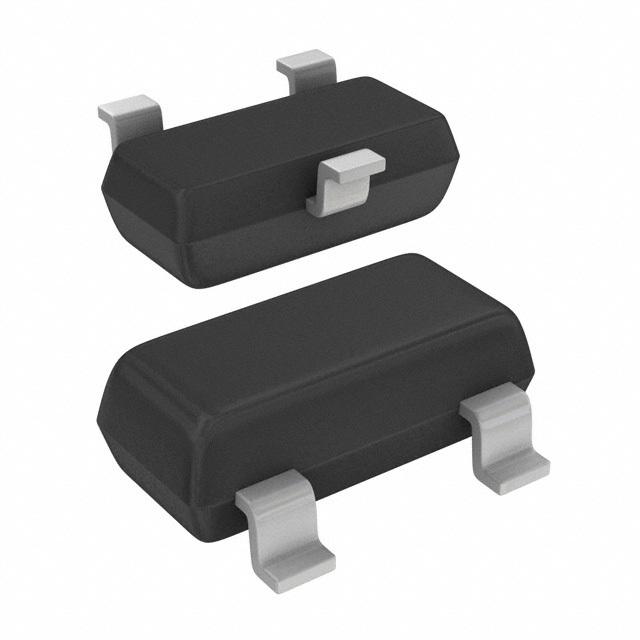
|
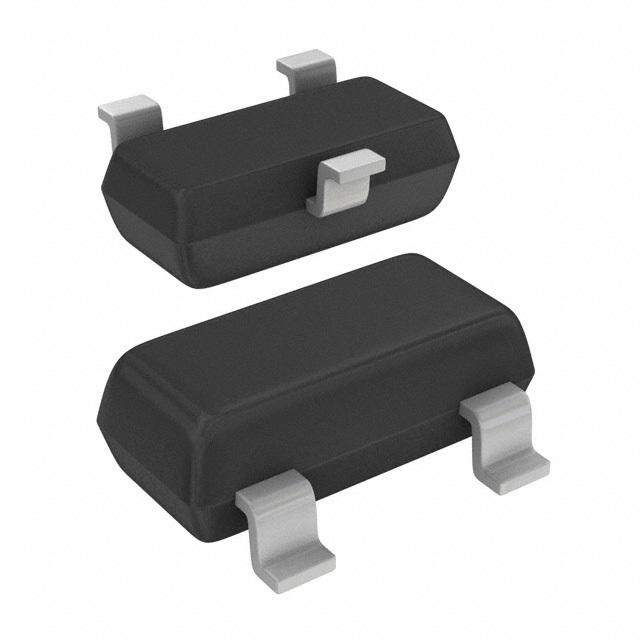
|
| Category | Diodes - Rectifiers - Arrays | Diodes - Rectifiers - Arrays |
| Manufacturer | NXP USA Inc. | NXP USA Inc. |
| Description | DIODE ARRAY SCHOTTKY 40V SOT23 | DIODE ARRAY GEN PURP 80V SOT323 |
| Package | Tape & Reel (TR) | Tape & Reel (TR) |
| Series | - | - |
| Mounting Type | Surface Mount | Surface Mount |
| Package / Case | TO-236-3, SC-59, SOT-23-3 | SC-70, SOT-323 |
| Supplier Device Package | SOT-23 (TO-236AB) | SC-70 |
| Diode Type | Schottky | Standard |
| Voltage - Forward (Vf) (Max) @ If | 1 V @ 40 mA | 1.2 V @ 100 mA |
| Current - Reverse Leakage @ Vr | 10 µA @ 40 V | 500 nA @ 80 V |
| Diode Configuration | 1 Pair Series Connection | 1 Pair Common Cathode |
| Voltage - DC Reverse (Vr) (Max) | 40 V | 80 V |
| Current - Average Rectified (Io) (per Diode) | 120mA (DC) | 250mA (DC) |
| Speed | Small Signal =< 200mA (Io), Any Speed | Standard Recovery >500ns, > 200mA (Io) |
| Reverse Recovery Time (trr) | - | 4 ns |
| Operating Temperature - Junction | 150°C (Max) | 150°C (Max) |
-
1. What are the typical applications of rectifier diode arrays?
They are widely used in power modules, chargers, communication equipment, automotive electronics, industrial control systems, and motor drives, especially in complex circuits that require multiple rectification paths.
-
2. How can rectifier diode arrays simplify circuit design?
The use of rectifier diode arrays can reduce the need to install multiple diodes separately, simplify circuit layout, reduce PCB space occupation, and improve the overall reliability of the circuit.
-
3. Does each diode in the rectifier diode array work independently?
Yes, each diode in the rectifier diode array is usually independent and can perform rectification or protection tasks separately. Designers can use them in parallel or series according to their needs to form specific circuit configurations.
-
4. What is the operating temperature range of the rectifier diode array?
The operating temperature range depends on the type of diode used and the packaging design. The operating temperature range of most arrays is between -55 ° C and+150 ° C, but specific temperature resistant models or heat dissipation measures need to be selected in high temperature or harsh environments.
