
C0805C824J4RACTU vs 0805Y0100124JXR
| Part Number |

|
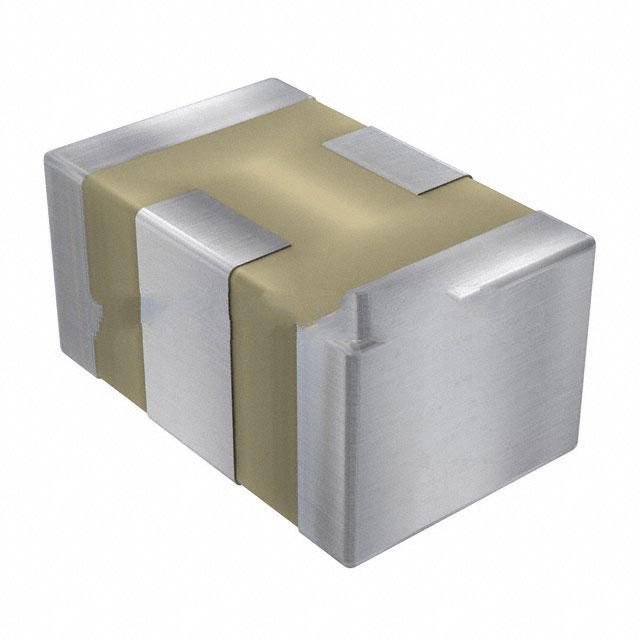
|
| Category | Ceramic Capacitors | Ceramic Capacitors |
| Manufacturer | KEMET | Knowles Syfer |
| Description | CAP CER 0.82UF 16V X7R 0805 | CAP CER 0.12UF 10V X7R 0805 |
| Package | 0805 (2012 Metric) | 0805 (2012 Metric) |
| Series | C | FlexiCap? |
| Features | Low ESL | Soft Termination, High Temperature |
| Operating Temperature | -55°C ~ 125°C | -55°C ~ 125°C |
| Mounting Type | Surface Mount, MLCC | Surface Mount, MLCC |
| Package / Case | 0805 (2012 Metric) | 0805 (2012 Metric) |
| Applications | General Purpose | High Reliability, Boardflex Sensitive |
| Tolerance | ±5% | ±5% |
| Temperature Coefficient | X7R | X7R (2R1) |
| Size / Dimension | 0.079" L x 0.049" W (2.00mm x 1.25mm) | 0.079" L x 0.049" W (2.00mm x 1.25mm) |
| Voltage - Rated | 16V | 10V |
| Thickness (Max) | 0.039" (1.00mm) | 0.051" (1.30mm) |
| Capacitance | 0.82µF | 0.12µF |
-
1. What is the difference between ceramic capacitors and electrolytic capacitors?
Polarity: Ceramic capacitors are non-polar, while electrolytic capacitors are polar.
Capacity range: Electrolytic capacitors generally offer larger capacitance values.
Stability: Ceramic capacitors are more stable, especially when the temperature changes.
Lifespan: Ceramic capacitors have a longer lifespan because there is no liquid electrolyte to dry out. -
2. Does the orientation of ceramic capacitors matter?
Ceramic capacitors are non-polar, so the mounting orientation does not affect their function.
-
3. Do ceramic capacitors degrade over time?
The capacitance value of ceramic capacitors may decrease slightly over time and environmental factors, but this is usually a slow process.
-
4. Can ceramic capacitors be used for audio?
Ceramic capacitors can be used in audio circuits, but care needs to be taken to select the right type to avoid introducing unnecessary noise or distortion.
