
C1206C124K5RALTU vs C0805C275M9PACTU
| Part Number |
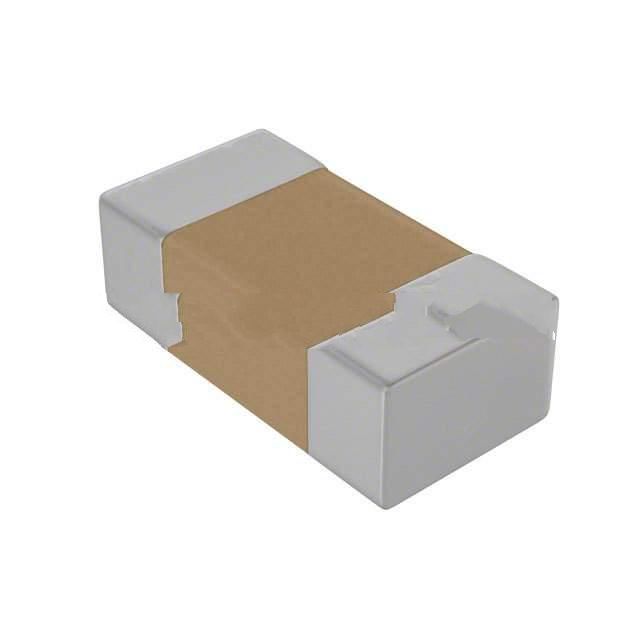
|
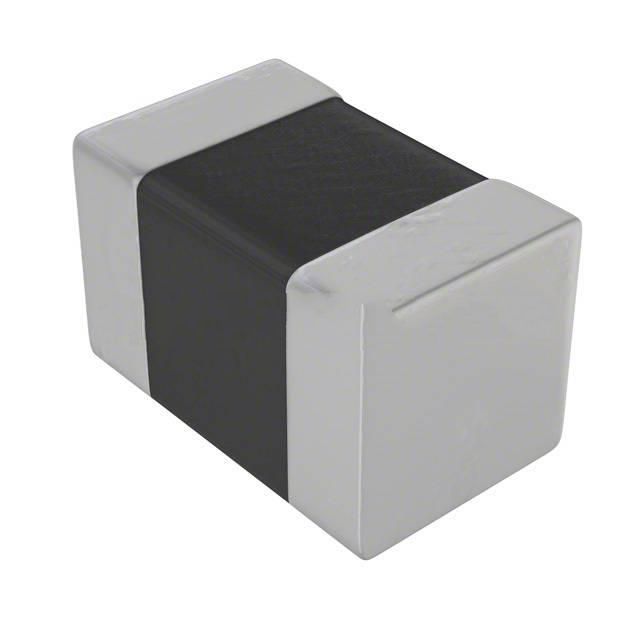
|
| Category | Ceramic Capacitors | Ceramic Capacitors |
| Manufacturer | KEMET | KEMET |
| Description | CAP CER 0.12UF 50V X7R 1206 | CAP CER 2.7UF 6.3V X5R 0805 |
| Package | 1206 (3216 Metric) | 0805 (2012 Metric) |
| Series | L | C |
| Operating Temperature | -55°C ~ 125°C | -55°C ~ 85°C |
| Mounting Type | Surface Mount, MLCC | Surface Mount, MLCC |
| Package / Case | 1206 (3216 Metric) | 0805 (2012 Metric) |
| Applications | General Purpose | General Purpose |
| Tolerance | ±10% | ±20% |
| Temperature Coefficient | X7R | X5R |
| Size / Dimension | 0.126" L x 0.063" W (3.20mm x 1.60mm) | 0.079" L x 0.049" W (2.00mm x 1.25mm) |
| Voltage - Rated | 50V | 6.3V |
| Thickness (Max) | 0.039" (1.00mm) | 0.041" (1.05mm) |
| Capacitance | 0.12µF | 2.7µF |
| Features | - | Low ESL |
-
1. Can I replace film capacitors with ceramic capacitors?
In many cases, ceramic capacitors can be used to replace film capacitors, especially when smaller size and lower cost are required. However, it is important to note that ceramic capacitors may have different temperature coefficients and self-healing characteristics, which may affect performance in a specific application.
-
2. Can ceramic capacitors hold a charge?
Ceramic capacitors can store charge, but they have a higher leakage current than electrolytic capacitors, so they are less able to hold a charge.
-
3. Why do ceramic capacitors make noise?
Some types of ceramic capacitors (particularly Class 2 ceramic capacitors) produce micro-vibrations when the voltage changes due to their material properties, which in turn cause faint mechanical noise.
-
4. What is the difference between Class 1 and Class 2 ceramic capacitors?
Class 1: has high accuracy and stable temperature coefficient, suitable for precision circuits.
Class 2: has higher capacitance value, but larger temperature coefficient and tolerance, suitable for general applications.
