
C1206C474K5RACTU vs 251R14S330JV4T
| Part Number |
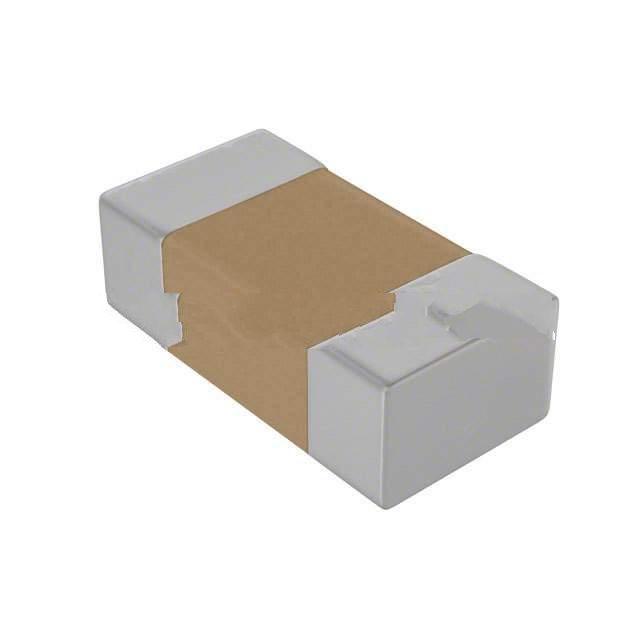
|
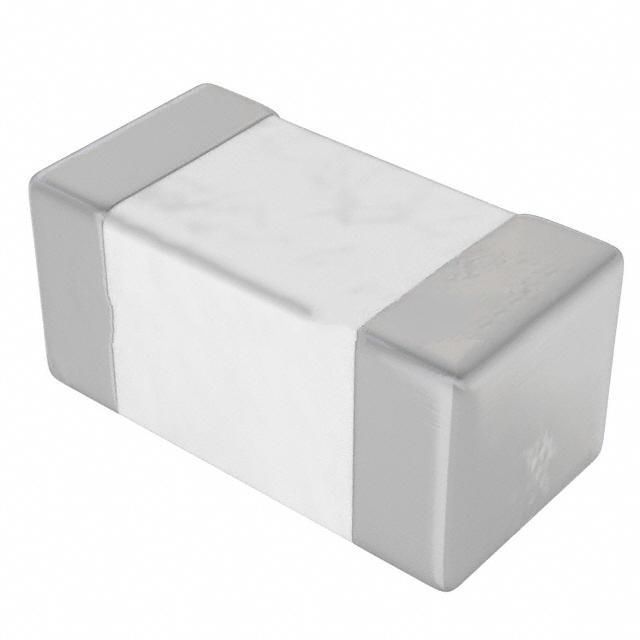
|
| Category | Ceramic Capacitors | Ceramic Capacitors |
| Manufacturer | KEMET | Johanson Technology Inc. |
| Description | CAP CER 0.47UF 50V X7R 1206 | CAP CER 33PF 250V C0G/NP0 0603 |
| Package | 1206 (3216 Metric) | -Reel® |
| Series | C | S |
| Operating Temperature | -55°C ~ 125°C | -55°C ~ 125°C |
| Mounting Type | Surface Mount, MLCC | Surface Mount, MLCC |
| Package / Case | 1206 (3216 Metric) | 0603 (1608 Metric) |
| Applications | General Purpose | RF, Microwave, High Frequency |
| Tolerance | ±10% | ±5% |
| Temperature Coefficient | X7R | C0G, NP0 |
| Size / Dimension | 0.126" L x 0.063" W (3.20mm x 1.60mm) | 0.062" L x 0.032" W (1.57mm x 0.81mm) |
| Voltage - Rated | 50V | 250V |
| Thickness (Max) | 0.039" (1.00mm) | 0.035\" (0.89mm) |
| Capacitance | 0.47µF | 33 pF |
| Features | - | High Q, Low Loss, Ultra Low ESR |
| Lead Spacing | - | - |
| Ratings | - | - |
| Height - Seated (Max) | - | - |
| Lead Style | - | - |
| Failure Rate | - | - |
-
1. Why are ceramic capacitors better?
Small size: suitable for high-density circuit board design.
Good temperature resistance: can work over a wide temperature range.
High reliability: no electrolyte, so it is not easy to age.
Good frequency response: suitable for high-frequency applications.
Low ESR: low equivalent series resistance, which helps to improve efficiency. -
2. Why do ceramic capacitors make noise?
Some types of ceramic capacitors (particularly Class 2 ceramic capacitors) produce micro-vibrations when the voltage changes due to their material properties, which in turn cause faint mechanical noise.
-
3. Do ceramic capacitors degrade over time?
The capacitance value of ceramic capacitors may decrease slightly over time and environmental factors, but this is usually a slow process.
-
4. Can ceramic capacitors be used for audio?
Ceramic capacitors can be used in audio circuits, but care needs to be taken to select the right type to avoid introducing unnecessary noise or distortion.
