
C1206C474K5RACTU vs GRM033C81A105ME05D
| Part Number |
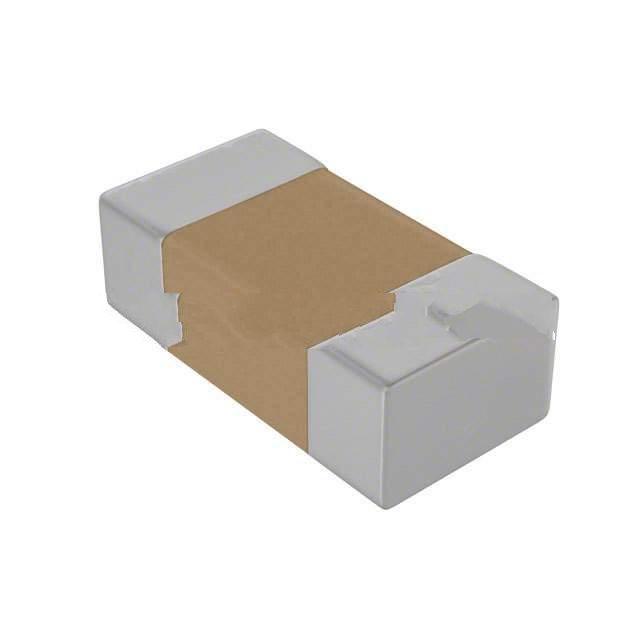
|
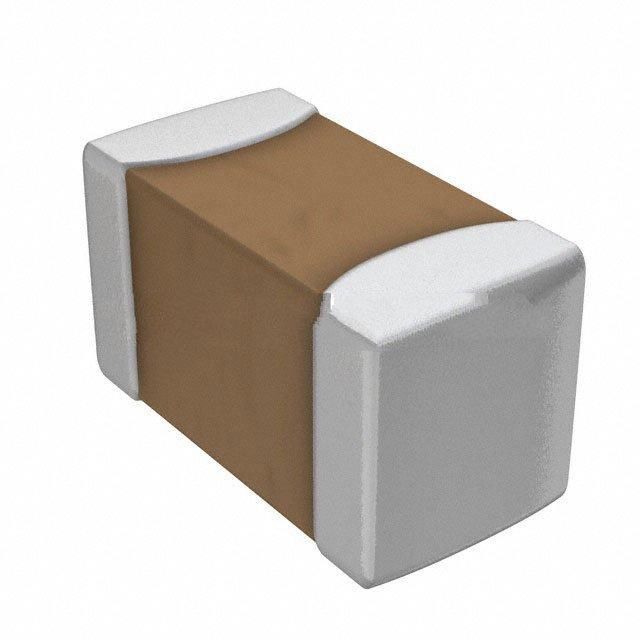
|
| Category | Ceramic Capacitors | Ceramic Capacitors |
| Manufacturer | KEMET | Murata Electronics |
| Description | CAP CER 0.47UF 50V X7R 1206 | CAP CER 1UF 10V X6S 0201 |
| Package | 1206 (3216 Metric) | 0201 (0603 Metric) |
| Series | C | GRM |
| Operating Temperature | -55°C ~ 125°C | -55°C ~ 105°C |
| Mounting Type | Surface Mount, MLCC | Surface Mount, MLCC |
| Package / Case | 1206 (3216 Metric) | 0201 (0603 Metric) |
| Applications | General Purpose | General Purpose |
| Tolerance | ±10% | ±20% |
| Temperature Coefficient | X7R | X6S |
| Size / Dimension | 0.126" L x 0.063" W (3.20mm x 1.60mm) | 0.024" L x 0.012" W (0.60mm x 0.30mm) |
| Voltage - Rated | 50V | 10V |
| Thickness (Max) | 0.039" (1.00mm) | 0.015" (0.39mm) |
| Capacitance | 0.47µF | 1µF |
-
1. Why are ceramic capacitors better?
Small size: suitable for high-density circuit board design.
Good temperature resistance: can work over a wide temperature range.
High reliability: no electrolyte, so it is not easy to age.
Good frequency response: suitable for high-frequency applications.
Low ESR: low equivalent series resistance, which helps to improve efficiency. -
2. Is ceramic capacitor AC or DC?
Ceramic capacitors can be used in both AC and DC circuits. They have no polarity, so they can be installed at will.
-
3. What is the difference between Class 1 and Class 2 ceramic capacitors?
Class 1: has high accuracy and stable temperature coefficient, suitable for precision circuits.
Class 2: has higher capacitance value, but larger temperature coefficient and tolerance, suitable for general applications. -
4. Which side of a ceramic capacitor is the positive side?
Ceramic capacitors are non-polarized, so there is no positive or negative side.
