
C1206C511JCGACTU vs C0402T100J5GALTU
| Part Number |
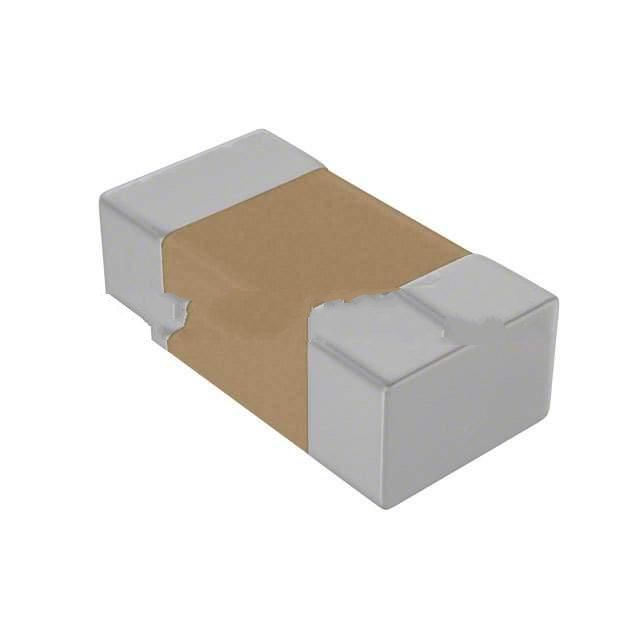
|
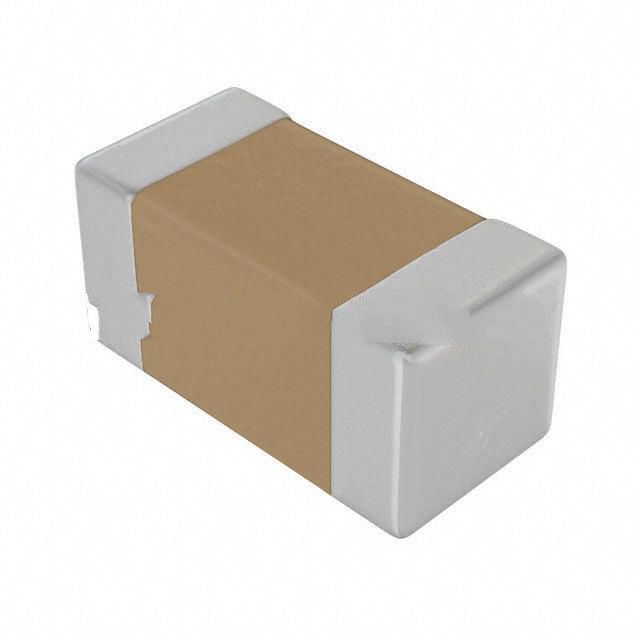
|
| Category | Ceramic Capacitors | Ceramic Capacitors |
| Manufacturer | KEMET | KEMET |
| Description | CAP CER 510PF 500V NP0 1206 | CAP CER 10PF 50V NP0 0402 |
| Package | 1206 (3216 Metric) | 0402 (1005 Metric) |
| Series | C | C |
| Features | High Voltage | - |
| Operating Temperature | -55°C ~ 125°C | -55°C ~ 125°C |
| Mounting Type | Surface Mount, MLCC | Surface Mount, MLCC |
| Package / Case | 1206 (3216 Metric) | 0402 (1005 Metric) |
| Applications | General Purpose | High Reliability |
| Tolerance | ±5% | ±5% |
| Temperature Coefficient | C0G, NP0 | C0G, NP0 |
| Size / Dimension | 0.126" L x 0.063" W (3.20mm x 1.60mm) | 0.039" L x 0.020" W (1.00mm x 0.50mm) |
| Voltage - Rated | 500V | 50V |
| Thickness (Max) | 0.069" (1.75mm) | 0.022" (0.55mm) |
| Capacitance | 510pF | 10pF |
| Ratings | - | COTS |
-
1. Is ceramic capacitor AC or DC?
Ceramic capacitors can be used in both AC and DC circuits. They have no polarity, so they can be installed at will.
-
2. What is the difference between ceramic capacitors and electrolytic capacitors?
Polarity: Ceramic capacitors are non-polar, while electrolytic capacitors are polar.
Capacity range: Electrolytic capacitors generally offer larger capacitance values.
Stability: Ceramic capacitors are more stable, especially when the temperature changes.
Lifespan: Ceramic capacitors have a longer lifespan because there is no liquid electrolyte to dry out. -
3. Can I replace film capacitors with ceramic capacitors?
In many cases, ceramic capacitors can be used to replace film capacitors, especially when smaller size and lower cost are required. However, it is important to note that ceramic capacitors may have different temperature coefficients and self-healing characteristics, which may affect performance in a specific application.
-
4. Why do ceramic capacitors short?
Overvoltage: Exceeding the rated voltage may cause internal breakdown.
Mechanical damage: External impact or pressure.
Manufacturing defects: Problems with the internal structure.
