
C1210C474Z5VACTU vs C0805X331J5RACTU
| Part Number |
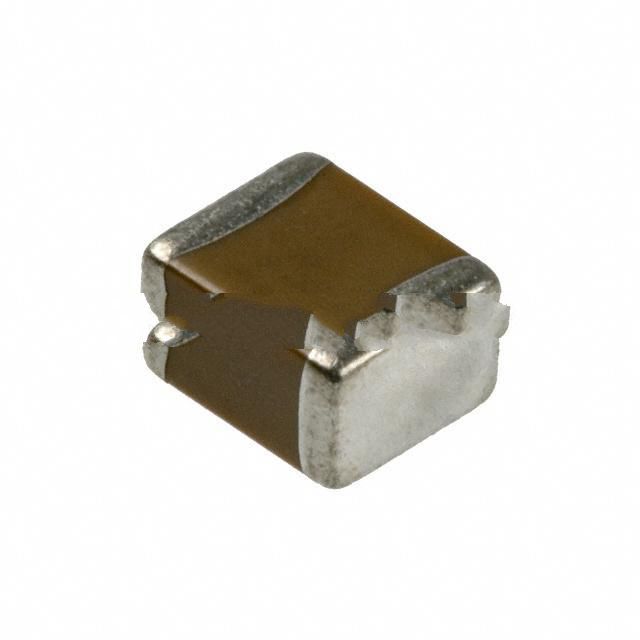
|
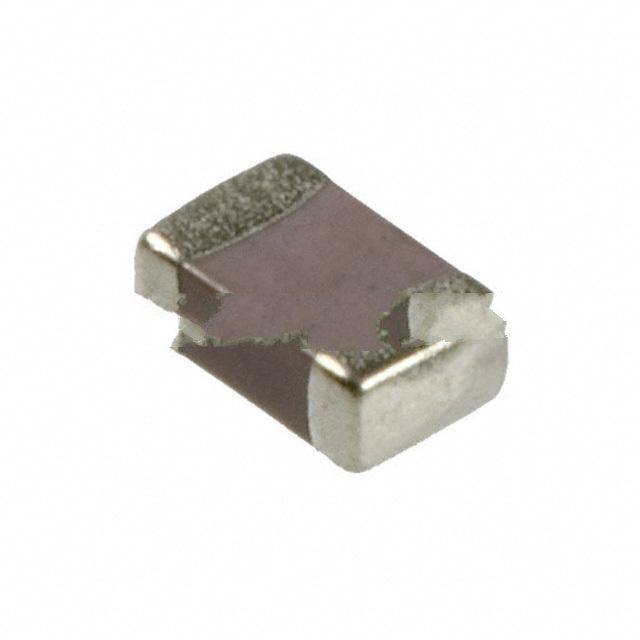
|
| Category | Ceramic Capacitors | Ceramic Capacitors |
| Manufacturer | KEMET | KEMET |
| Description | CAP CER 0.47UF 50V Y5V 1210 | CAP CER 330PF 50V X7R 0805 |
| Package | 1210 (3225 Metric) | 0805 (2012 Metric) |
| Series | C | FT-CAP |
| Operating Temperature | -30°C ~ 85°C | -55°C ~ 125°C |
| Mounting Type | Surface Mount, MLCC | Surface Mount, MLCC |
| Package / Case | 1210 (3225 Metric) | 0805 (2012 Metric) |
| Applications | General Purpose | Boardflex Sensitive |
| Tolerance | -20%, +80% | ±5% |
| Temperature Coefficient | Y5V (F) | X7R |
| Size / Dimension | 0.126" L x 0.098" W (3.20mm x 2.50mm) | 0.079" L x 0.049" W (2.00mm x 1.25mm) |
| Voltage - Rated | 50V | 50V |
| Thickness (Max) | 0.041" (1.05mm) | 0.035" (0.88mm) |
| Capacitance | 0.47µF | 330pF |
| Features | - | Soft Termination |
-
1. Can ceramic capacitors hold a charge?
Ceramic capacitors can store charge, but they have a higher leakage current than electrolytic capacitors, so they are less able to hold a charge.
-
2. Why are mica capacitors so expensive?
Mica capacitors are expensive because of their excellent electrical properties (such as very low dissipation factor and stable temperature coefficient) and their high production costs.
-
3. Why do ceramic capacitors make noise?
Some types of ceramic capacitors (particularly Class 2 ceramic capacitors) produce micro-vibrations when the voltage changes due to their material properties, which in turn cause faint mechanical noise.
-
4. Which side of a ceramic capacitor is the positive side?
Ceramic capacitors are non-polarized, so there is no positive or negative side.
