
CDBHM2100L-HF vs CD-HD01
| Part Number |
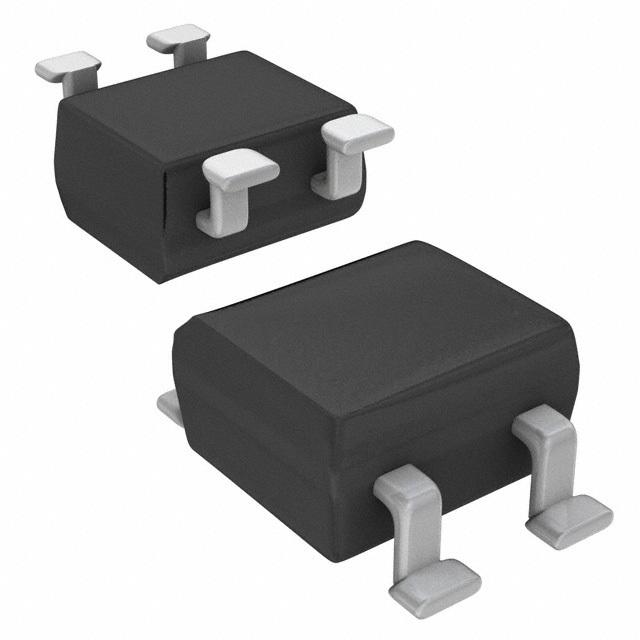
|
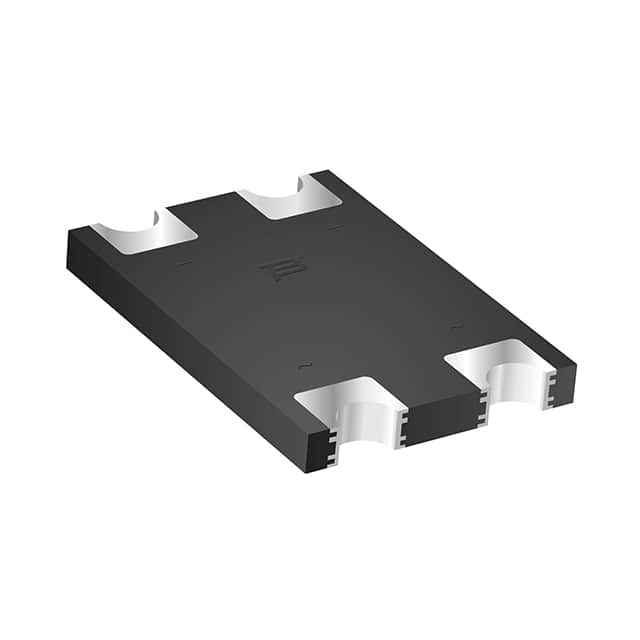
|
| Category | Diodes - Bridge Rectifiers | Diodes - Bridge Rectifiers |
| Manufacturer | Comchip Technology | Bourns Inc. |
| Description | BRIDGE RECT 1PHASE 100V 2A MBS-2 | BRIDGE RECT 1PHASE 100V 1A |
| Package | Cut Tape (CT) | Tape & Reel (TR) |
| Series | - | - |
| Operating Temperature | -55°C ~ 125°C (TJ) | -55°C ~ 125°C (TJ) |
| Mounting Type | Surface Mount | Surface Mount |
| Package / Case | TO-269AA, 4-BESOP | Chip, Concave Terminals |
| Supplier Device Package | MBS-2 | - |
| Technology | Schottky | Schottky |
| Diode Type | Single Phase | Single Phase |
| Voltage - Peak Reverse (Max) | 100 V | 100 V |
| Current - Average Rectified (Io) | 2 A | 1 A |
| Voltage - Forward (Vf) (Max) @ If | 850 mV @ 2 A | 850 mV @ 1 A |
| Current - Reverse Leakage @ Vr | 1 mA @ 100 V | 200 µA @ 100 V |
-
1. What is a bridge rectifier?
A bridge rectifier is a circuit composed of four diodes used to convert alternating current (AC) to direct current (DC). It is a common type of rectifier circuit widely used in devices such as power supplies and chargers.
-
2. What is the working principle of bridge rectifier?
The bridge rectifier converts the input AC power into DC power through an arrangement of four diodes. Every half cycle, two diodes conduct, converting both positive and negative half waves of alternating current into direct current in the same direction.
-
3. How to choose a suitable bridge rectifier?
When choosing a bridge rectifier, the following factors need to be considered:
Current capacity: Select the appropriate rectification current capacity according to the load demand.
Voltage level: Ensure that the rectifier can withstand the maximum peak voltage of the input.
Forward voltage drop: The lower the forward voltage drop, the higher the efficiency.
Packaging form: Choose the packaging type that is suitable for the circuit board or heat dissipation requirements. -
4. Can bridge rectifiers be used for high-frequency applications?
Traditional silicon bridge rectifiers have low efficiency in high-frequency applications and are prone to significant power losses. However, bridge rectifiers using Schottky diodes or fast recovery diodes can significantly improve high-frequency rectification performance.
