
CL10C6R8DC81PNC vs GRM1885C1E112JA01D
| Part Number |
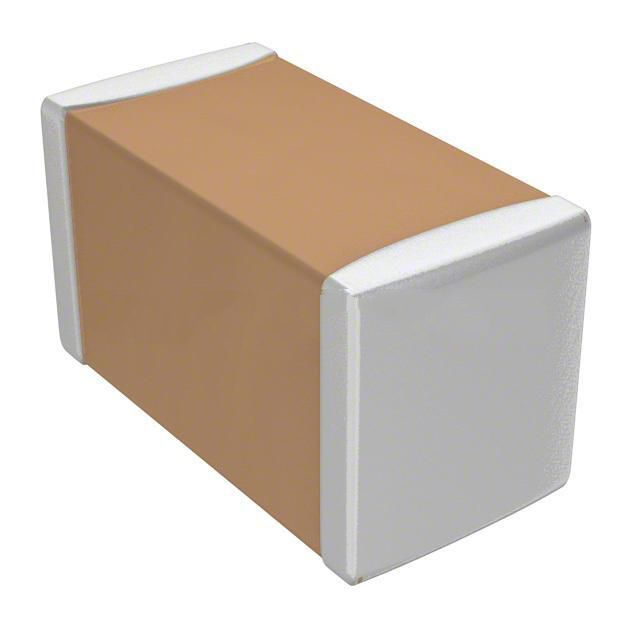
|
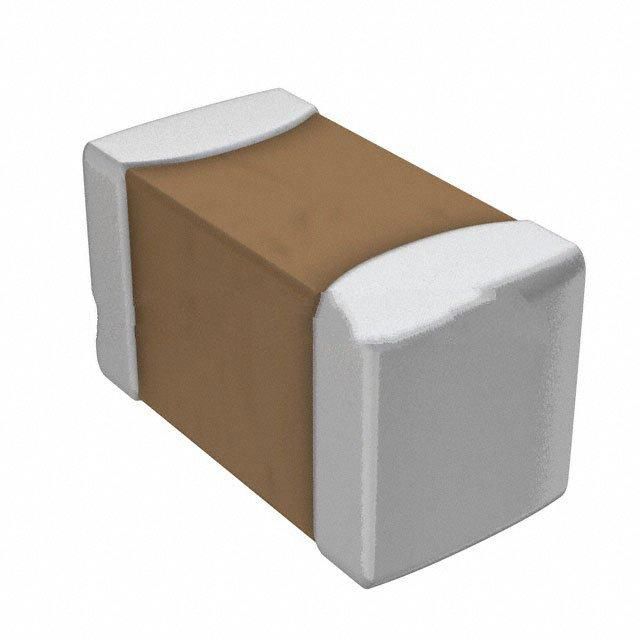
|
| Category | Ceramic Capacitors | Ceramic Capacitors |
| Manufacturer | Samsung Electro-Mechanics | Murata Electronics |
| Description | CAP CER 6.8PF 100V C0G/NP0 0603 | CAP CER 1100PF 25V C0G/NP0 0603 |
| Package | 0603 (1608 Metric) | 0603 (1608 Metric) |
| Series | CL | GRM |
| Operating Temperature | -55°C ~ 125°C | -55°C ~ 125°C |
| Mounting Type | Surface Mount, MLCC | Surface Mount, MLCC |
| Package / Case | 0603 (1608 Metric) | 0603 (1608 Metric) |
| Applications | Automotive | General Purpose |
| Tolerance | ±0.5pF | ±5% |
| Temperature Coefficient | C0G, NP0 | C0G, NP0 |
| Size / Dimension | 0.063" L x 0.031" W (1.60mm x 0.80mm) | 0.063" L x 0.032" W (1.60mm x 0.80mm) |
| Voltage - Rated | 100V | 25V |
| Thickness (Max) | 0.035" (0.90mm) | 0.035" (0.90mm) |
| Ratings | AEC-Q200 | - |
| Capacitance | 6.8pF | 1100pF |
-
1. What are ceramic capacitors used for?
Ceramic capacitors are widely used in various electronic devices, mainly for:
Coupling and decoupling: used in circuits to isolate DC signals while transmitting AC signals.
Filtering: remove noise from the power supply or smooth the output voltage.
Resonant circuit: such as oscillators in radio frequency (RF) circuits.
Temperature compensation: some types of ceramic capacitors have temperature coefficients that can be used to stabilize circuit performance.
Bypass: provide a low impedance path for high-frequency signals, thereby reducing the impact on other parts. -
2. Does the orientation of ceramic capacitors matter?
Ceramic capacitors are non-polar, so the mounting orientation does not affect their function.
-
3. Why do ceramic capacitors short?
Overvoltage: Exceeding the rated voltage may cause internal breakdown.
Mechanical damage: External impact or pressure.
Manufacturing defects: Problems with the internal structure. -
4. Which side of a ceramic capacitor is the positive side?
Ceramic capacitors are non-polarized, so there is no positive or negative side.
