
CL10C6R8DC81PNC vs GRM1885C1E681JA01D
| Part Number |
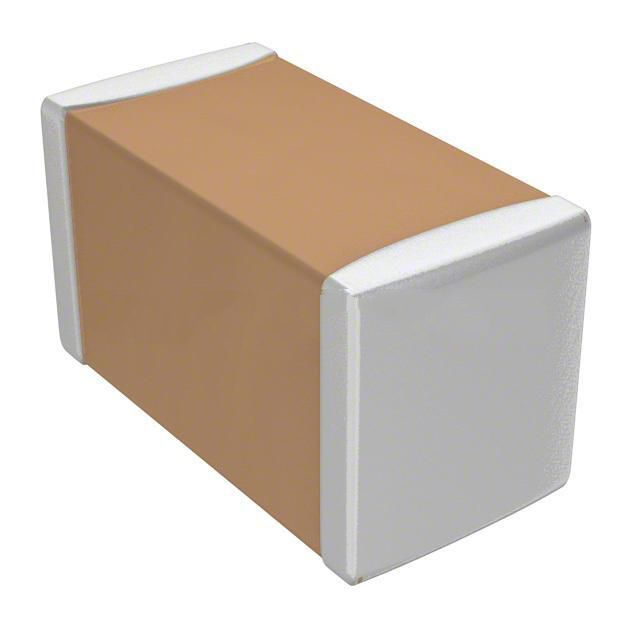
|
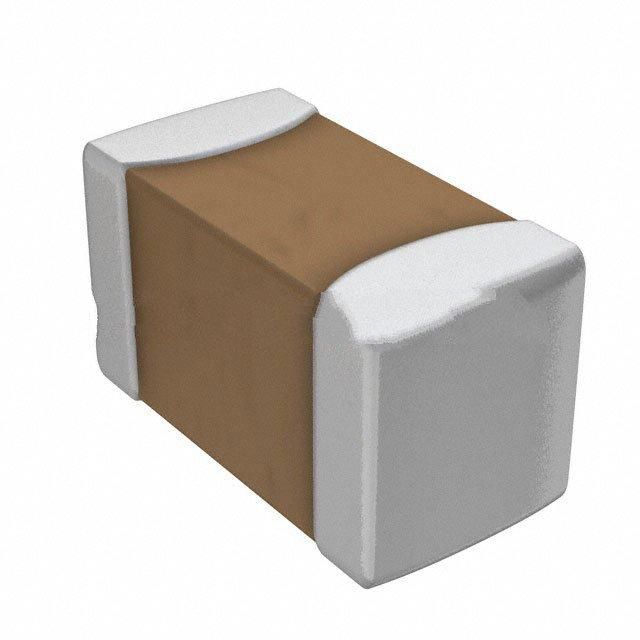
|
| Category | Ceramic Capacitors | Ceramic Capacitors |
| Manufacturer | Samsung Electro-Mechanics | Murata Electronics |
| Description | CAP CER 6.8PF 100V C0G/NP0 0603 | CAP CER 680PF 25V C0G/NP0 0603 |
| Package | 0603 (1608 Metric) | 0603 (1608 Metric) |
| Series | CL | GRM |
| Operating Temperature | -55°C ~ 125°C | -55°C ~ 125°C |
| Mounting Type | Surface Mount, MLCC | Surface Mount, MLCC |
| Package / Case | 0603 (1608 Metric) | 0603 (1608 Metric) |
| Applications | Automotive | General Purpose |
| Tolerance | ±0.5pF | ±5% |
| Temperature Coefficient | C0G, NP0 | C0G, NP0 |
| Size / Dimension | 0.063" L x 0.031" W (1.60mm x 0.80mm) | 0.063" L x 0.032" W (1.60mm x 0.80mm) |
| Voltage - Rated | 100V | 25V |
| Thickness (Max) | 0.035" (0.90mm) | 0.035" (0.90mm) |
| Ratings | AEC-Q200 | - |
| Capacitance | 6.8pF | 680pF |
-
1. Is ceramic capacitor AC or DC?
Ceramic capacitors can be used in both AC and DC circuits. They have no polarity, so they can be installed at will.
-
2. What is the difference between ceramic capacitors and electrolytic capacitors?
Polarity: Ceramic capacitors are non-polar, while electrolytic capacitors are polar.
Capacity range: Electrolytic capacitors generally offer larger capacitance values.
Stability: Ceramic capacitors are more stable, especially when the temperature changes.
Lifespan: Ceramic capacitors have a longer lifespan because there is no liquid electrolyte to dry out. -
3. Why do ceramic capacitors short?
Overvoltage: Exceeding the rated voltage may cause internal breakdown.
Mechanical damage: External impact or pressure.
Manufacturing defects: Problems with the internal structure. -
4. Can ceramic capacitors be used for audio?
Ceramic capacitors can be used in audio circuits, but care needs to be taken to select the right type to avoid introducing unnecessary noise or distortion.
