
CMSH3-40M TR13 vs MBR150G
| Part Number |
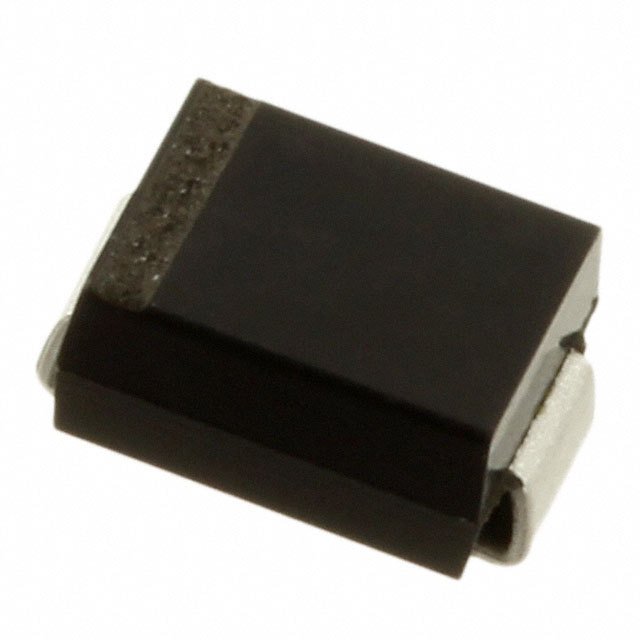
|

|
| Category | Diodes - Rectifiers - Single | Diodes - Rectifiers - Single |
| Manufacturer | Central Semiconductor Corp | ON Semiconductor |
| Description | DIODE SCHOTTKY 40V 3A SMB | DIODE SCHOTTKY 50V 1A AXIAL |
| Package | DO-214AA, SMB | Tape & Reel (TR) |
| Series | - | - |
| Mounting Type | Surface Mount | Through Hole |
| Package / Case | DO-214AA, SMB | DO-204AL, DO-41, Axial |
| Supplier Device Package | SMB | Axial |
| Diode Type | Schottky | Schottky |
| Current - Average Rectified (Io) | 3A | 1A |
| Voltage - Forward (Vf) (Max) @ If | 550mV @ 3A | 750 mV @ 1 A |
| Current - Reverse Leakage @ Vr | 500µA @ 40V | 500 µA @ 50 V |
| Capacitance @ Vr, F | 280pF @ 4V, 1MHz | - |
| Voltage - DC Reverse (Vr) (Max) | 40V | 50 V |
| Speed | Fast Recovery =< 500ns, > 200mA (Io) | Fast Recovery =< 500ns, > 200mA (Io) |
| Operating Temperature - Junction | -65°C ~ 150°C | -65°C ~ 150°C |
| Reverse Recovery Time (trr) | - | - |
-
1. What is a single rectifier diode?
A single rectifier diode is an electronic component used to convert alternating current (AC) to direct current (DC), typically used in power supplies, chargers, and other circuits that require DC power.
-
2. What is the working principle of a single rectifier diode?
A rectifier diode conducts current when forward biased, converting the positive half wave of alternating current into direct current. When reverse biased, the diode blocks the current, thereby preventing the negative half wave from passing through and achieving rectification effect.
-
3. What are the common applications of a single rectifier diode?
They are commonly used in power circuits, chargers, AC to DC converters, motor drives, circuit protection, and other electronic devices to convert AC power to DC power or protect circuits from reverse current.
-
4. How to choose the appropriate rectifier diode?
When making a choice, the following factors need to be considered:
Current capacity: Determine the maximum current that the diode needs to handle.
Reverse voltage: Ensure that the reverse voltage of the diode can withstand the highest voltage in the circuit.
Forward voltage drop: A lower forward voltage drop can improve circuit efficiency.
Recovery time: For high-frequency applications, choose fast recovery or Schottky diodes.
