
EPM1270T144I5N vs EPM570T100C3N
| Part Number |
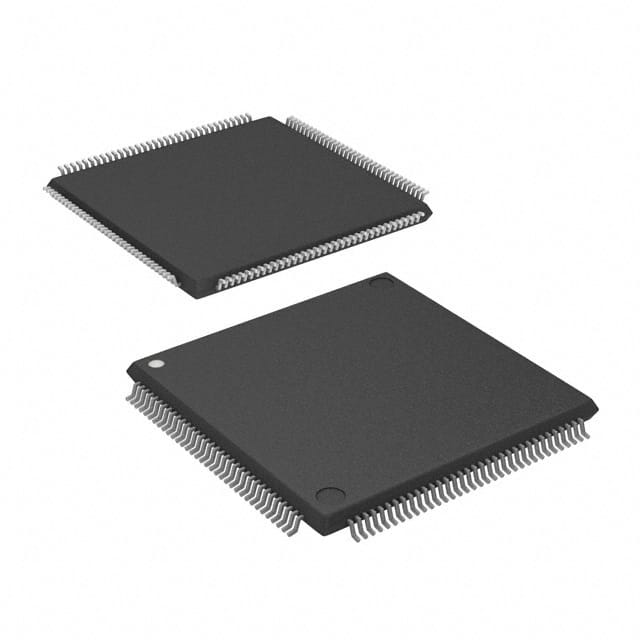
|
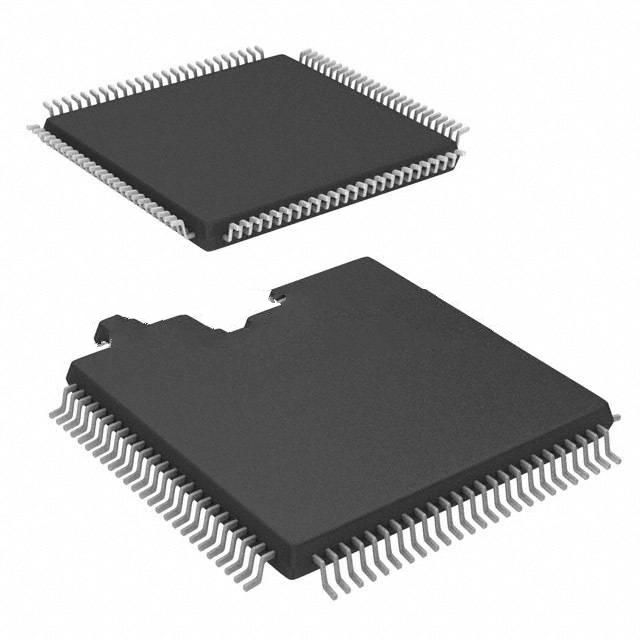
|
| Category | Embedded - CPLDs (Complex Programmable Logic Devices) | Embedded - CPLDs (Complex Programmable Logic Devices) |
| Manufacturer | Intel | Intel |
| Description | IC CPLD 980MC 6.2NS 144TQFP | IC CPLD 440MC 5.4NS 100TQFP |
| Package | 144-LQFP | 100-TQFP |
| Series | MAX® II | MAX® II |
| Operating Temperature | -40°C ~ 100°C (TJ) | 0°C ~ 85°C (TJ) |
| Mounting Type | Surface Mount | Surface Mount |
| Package / Case | 144-LQFP | 100-TQFP |
| Supplier Device Package | 144-TQFP (20x20) | 100-TQFP (14x14) |
| Programmable Type | In System Programmable | In System Programmable |
| Delay Time tpd(1) Max | 6.2ns | 5.4ns |
| Voltage Supply - Internal | 2.5V, 3.3V | 2.5V, 3.3V |
| Number of Logic Elements/Blocks | 1270 | 570 |
| Number of Macrocells | 980 | 440 |
| Number of I/O | 116 | 76 |
-
1. What is CPLD (Complex Programmable Logic Device)?
A CPLD is a programmable logic device that consists of multiple configurable logic gates that allow the user to program logic circuits as needed.CPLDs are widely used in embedded systems and hardware circuit design to implement specific control and logic functions.
-
2. How to program CPLD?
CPLDs are typically programmed through a hardware description language (HDL) such as VHDL or Verilog. Developers use development tools such as Xilinx ISE or Altera Quartus to design and simulate, and then burn the program into the CPLD.
-
3. How to choose the right CPLD?
Factors such as the number of logic cells (number of logic gates), number of I/O pins, power consumption, operating frequency, and package type need to be considered when selecting a CPLD to ensure that the performance needs of the application are met.
-
4. How does a CPLD work?
CPLDs implement specific functions by combining logic gates together. The user writes the code in HDL according to the design requirements, maps the logic functions to the CPLD hardware, and the device is configured with circuits and logic to accomplish specific tasks.
