
F920J225MPA vs F920J475MPA
| Part Number |
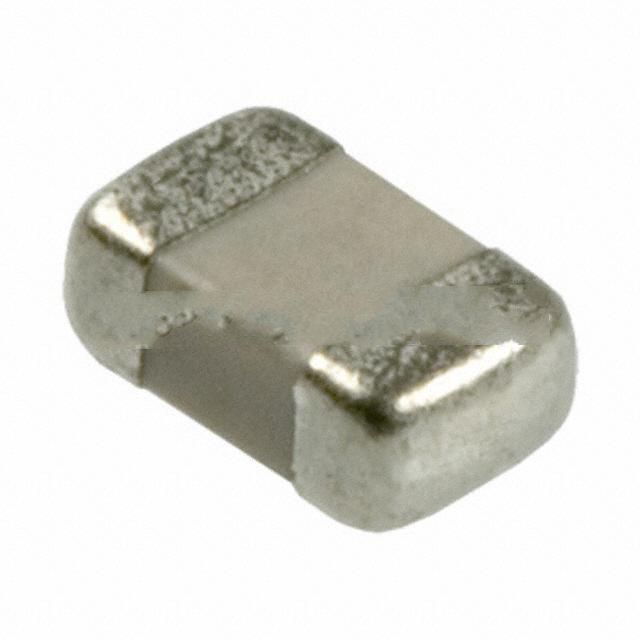
|
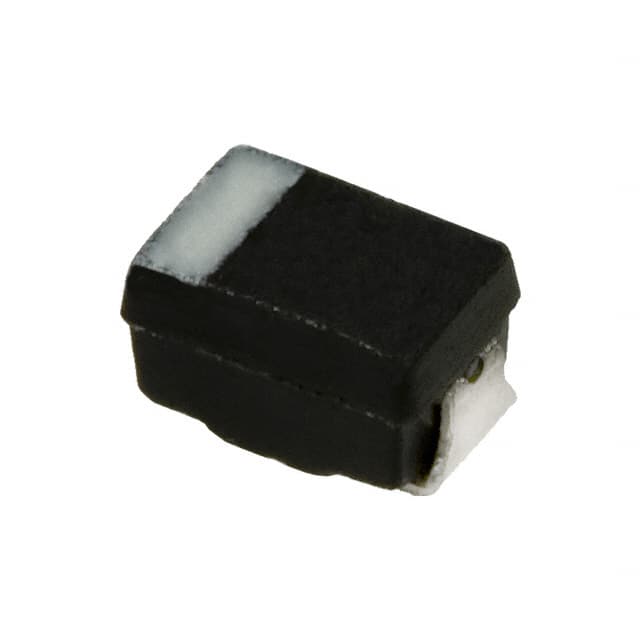
|
| Category | Tantalum Capacitors | Tantalum Capacitors |
| Manufacturer | KYOCERA AVX | KYOCERA AVX |
| Description | CAP TANT 2.2UF 20% 6.3V 0805 | CAP TANT 4.7UF 20% 6.3V 0805 |
| Package | Tape & Reel (TR) | -Reel® |
| Series | F92 | F92 |
| Type | Molded | Molded |
| Features | General Purpose | General Purpose |
| Operating Temperature | -55°C ~ 125°C | -55°C ~ 125°C |
| Mounting Type | Surface Mount | Surface Mount |
| Package / Case | 0805 (2012 Metric) | 0805 (2012 Metric) |
| Tolerance | ±20% | ±20% |
| Size / Dimension | 0.079" L x 0.049" W (2.00mm x 1.25mm) | 0.079" L x 0.049" W (2.00mm x 1.25mm) |
| Voltage - Rated | 6.3 V | 6.3 V |
| Lead Spacing | - | - |
| Ratings | - | - |
| Height - Seated (Max) | 0.039\" (1.00mm) | 0.039\" (1.00mm) |
| Capacitance | 2.2 µF | 4.7 µF |
| ESR (Equivalent Series Resistance) | 12Ohm | 6Ohm |
| Lifetime @ Temp. | - | - |
| Failure Rate | - | - |
| Manufacturer Size Code | P | P |
-
1. Difference between ordinary capacitors and tantalum capacitors
Material: Ordinary capacitors can be aluminum electrolytic capacitors, ceramic capacitors, etc.; while tantalum capacitors use metal tantalum as anode material.
Performance: Generally, tantalum capacitors have better temperature stability and higher capacity-to-volume ratio.
Application range: Due to its performance characteristics, tantalum capacitors are often used in miniaturized electronic products that require high reliability. -
2. Why do tantalum capacitors explode?
The main reason is that excessive voltage or current shocks cause internal short circuits, which trigger thermal runaway.
Excessive ambient temperature may also exacerbate this situation. -
3. When to use tantalum capacitors?
When miniaturization, low ESR (equivalent series resistance), and stable operation over a wide temperature range are required.
Suitable for audio processing, communication equipment, computer motherboards and other fields. -
4. Will tantalum capacitors deteriorate?
Yes, tantalum capacitors may gradually lose some of their performance when stored for a long time or in adverse environments.
For example, long-term exposure to high temperature and humidity may cause the electrolyte to evaporate or chemically change.
