
F931C225MAA vs T491A106K010AT
| Part Number |
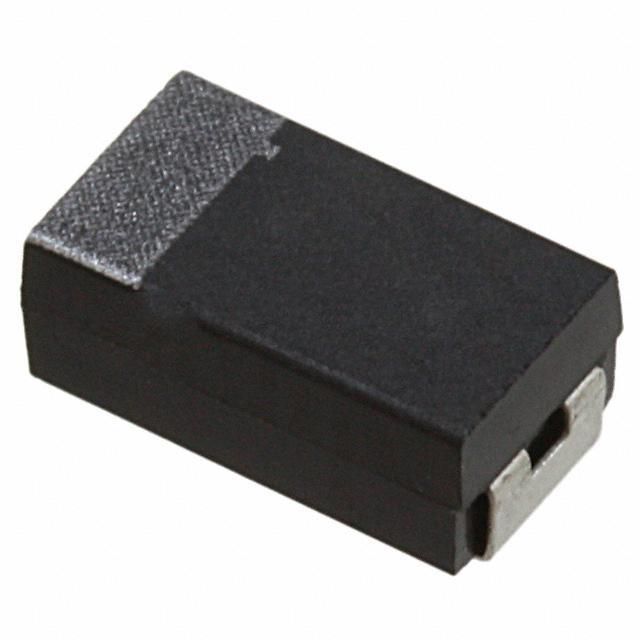
|
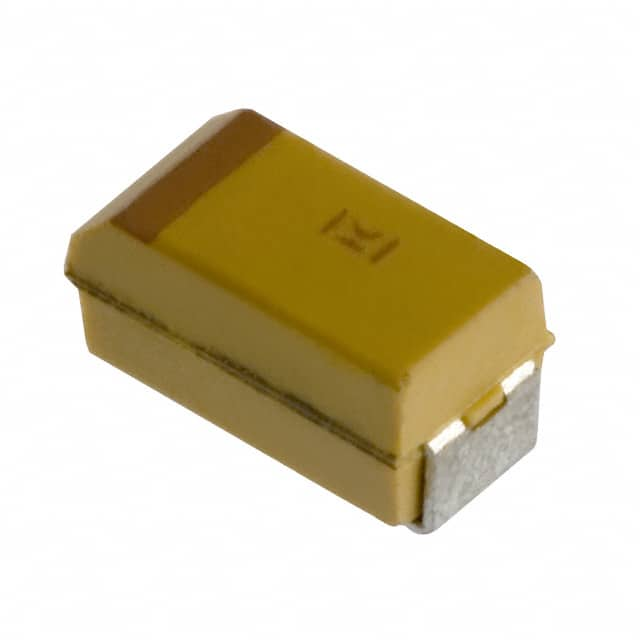
|
| Category | Tantalum Capacitors | Tantalum Capacitors |
| Manufacturer | KYOCERA AVX | KEMET |
| Description | CAP TANT 2.2UF 20% 16V 1206 | CAP TANT 10UF 10% 10V 1206 |
| Package | Tape & Reel (TR) | Cut Tape (CT) |
| Series | F93 | T491 |
| Type | Molded | Molded |
| Features | General Purpose | General Purpose |
| Operating Temperature | -55°C ~ 125°C | -55°C ~ 125°C |
| Mounting Type | Surface Mount | Surface Mount |
| Package / Case | 1206 (3216 Metric) | 1206 (3216 Metric) |
| Tolerance | ±20% | ±10% |
| Size / Dimension | 0.126" L x 0.063" W (3.20mm x 1.60mm) | 0.126" L x 0.063" W (3.20mm x 1.60mm) |
| Voltage - Rated | 16 V | 10 V |
| Lead Spacing | - | - |
| Ratings | - | - |
| Height - Seated (Max) | 0.071\" (1.80mm) | 0.071\" (1.80mm) |
| Capacitance | 2.2 µF | 10 µF |
| ESR (Equivalent Series Resistance) | 5Ohm @ 100kHz | 3.8Ohm |
| Lifetime @ Temp. | 2000 Hrs @ 125°C | 2000 Hrs @ 125°C |
| Failure Rate | - | - |
| Manufacturer Size Code | A | A |
-
1. Disadvantages of tantalum capacitors
The price is relatively high.
If used improperly or the circuit design is defective, it may fail, including explosion.
It is polarity sensitive and can only work in the specified direction.
It may fail easily under certain conditions (such as overvoltage, surge current). -
2. What is the expected life of tantalum capacitors?
Under normal circumstances, it can range from thousands of hours to tens of thousands of hours, depending on the working conditions and manufacturer specifications.
-
3. When to use tantalum capacitors?
When miniaturization, low ESR (equivalent series resistance), and stable operation over a wide temperature range are required.
Suitable for audio processing, communication equipment, computer motherboards and other fields. -
4. Will tantalum capacitors deteriorate?
Yes, tantalum capacitors may gradually lose some of their performance when stored for a long time or in adverse environments.
For example, long-term exposure to high temperature and humidity may cause the electrolyte to evaporate or chemically change.
