
F931C685MAA vs F920J475MPA
| Part Number |
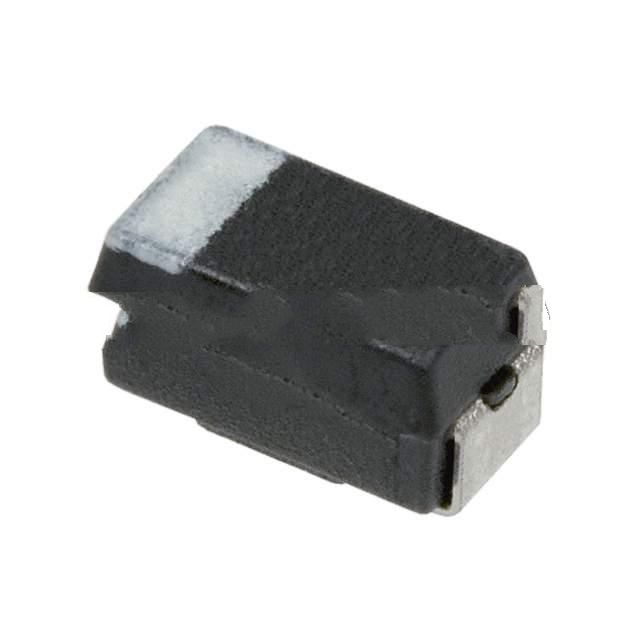
|
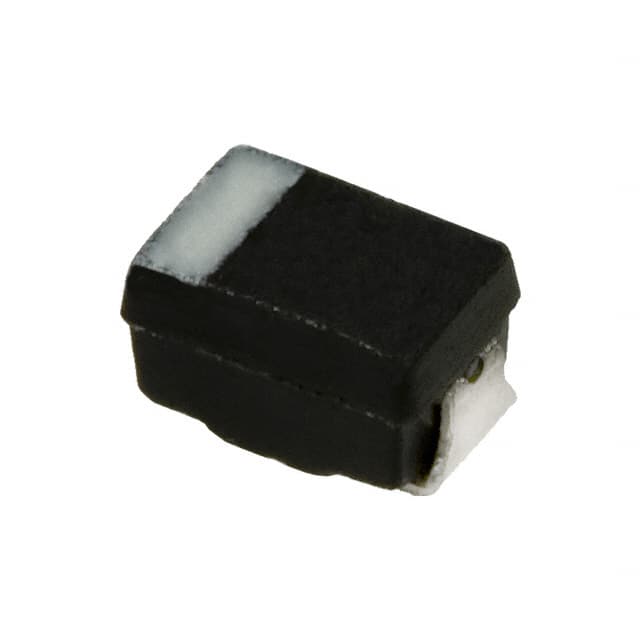
|
| Category | Tantalum Capacitors | Tantalum Capacitors |
| Manufacturer | KYOCERA AVX | KYOCERA AVX |
| Description | CAP TANT 6.8UF 20% 16V 1206 | CAP TANT 4.7UF 20% 6.3V 0805 |
| Package | -Reel® | -Reel® |
| Series | F93 | F92 |
| Type | Molded | Molded |
| Features | General Purpose | General Purpose |
| Operating Temperature | -55°C ~ 125°C | -55°C ~ 125°C |
| Mounting Type | Surface Mount | Surface Mount |
| Package / Case | 1206 (3216 Metric) | 0805 (2012 Metric) |
| Tolerance | ±20% | ±20% |
| Size / Dimension | 0.126" L x 0.063" W (3.20mm x 1.60mm) | 0.079" L x 0.049" W (2.00mm x 1.25mm) |
| Voltage - Rated | 16 V | 6.3 V |
| Lead Spacing | - | - |
| Ratings | - | - |
| Height - Seated (Max) | 0.071\" (1.80mm) | 0.039\" (1.00mm) |
| Capacitance | 6.8 µF | 4.7 µF |
| ESR (Equivalent Series Resistance) | 3.5Ohm @ 100kHz | 6Ohm |
| Lifetime @ Temp. | 2000 Hrs @ 125°C | - |
| Failure Rate | - | - |
| Manufacturer Size Code | A | P |
-
1. Disadvantages of tantalum capacitors
The price is relatively high.
If used improperly or the circuit design is defective, it may fail, including explosion.
It is polarity sensitive and can only work in the specified direction.
It may fail easily under certain conditions (such as overvoltage, surge current). -
2. What is the expected life of tantalum capacitors?
Under normal circumstances, it can range from thousands of hours to tens of thousands of hours, depending on the working conditions and manufacturer specifications.
-
3. Can I use ceramic capacitors instead of tantalum capacitors?
It depends on the specific situation. If the size, ESR requirements are not high and a specific capacitance value is not required, you can consider replacing it.
But be aware that there are differences in physical properties between the two, and direct replacement may affect the working state of the circuit. -
4. What special precautions must be taken when installing tantalum capacitors?
Ensure the correct polarity connection.
Be careful not to exceed the rated voltage.
Use appropriate fuses or other protective devices to prevent overcurrent.
Consider heat dissipation design to avoid local overheating.
