
FAM5-297-210-0.05-1A vs 3M 1181 1" X 4"-100
| Part Number |
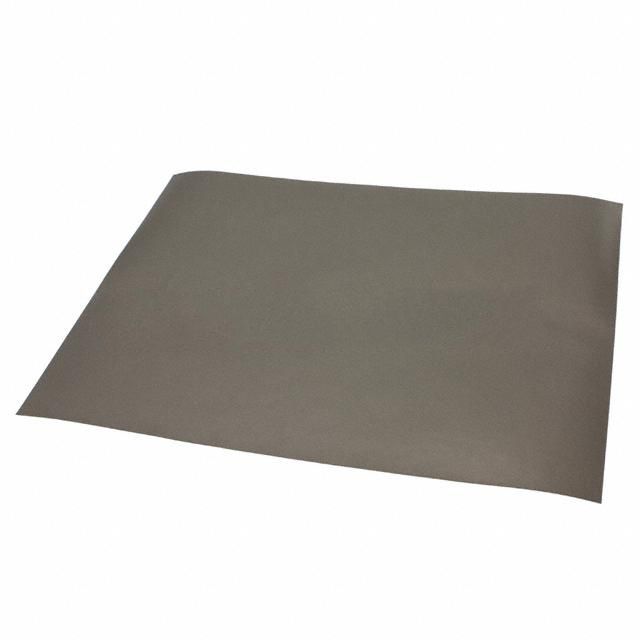
|
|
| Category | RFI and EMI - Shielding and Absorbing Materials | RFI and EMI - Shielding and Absorbing Materials |
| Manufacturer | t-Global Technology | 3M (TC) |
| Description | SHEET FAM5 210X297MM | SHEET COP FL 25.4X101.6MM 100/PK |
| Package | - | - |
| Series | FAM5 | 1181 |
| Type | Absorbing Sheet | Shielding Sheet |
| Operating Temperature | -20°C ~ 80°C | -40°C ~ 130°C |
| Shape | Square | Rectangular |
| Length | 11.693" (297.00mm) | 4.000" (101.60mm) |
| Width | 8.268" (210.00mm) | 1.000" (25.40mm) |
| Thickness - Overall | 0.002" (0.05mm) | 0.004" (0.09mm) |
| Adhesive | Non-Conductive, Single Sided | Conductive, Single Sided |
| Material | - | Copper Foil |
-
1. What are common types of shielding materials?
Metals: Copper, aluminum, and steel for enclosures and cables.
Conductive coatings: Used on plastic housings.
Conductive fabrics or meshes: Flexible options for shielding irregular shapes.
Carbon-based materials: Lightweight options for EMI shielding in modern applications. -
2. What are the typical applications of RFI and EMI shielding materials?
Consumer electronics: Protect circuits in phones, tablets, and laptops.
Automotive systems: Prevent interference in electric vehicles and sensors.
Medical devices: Shield sensitive equipment like MRI machines.
Military and aerospace: Ensure reliability in radar and communication systems. -
3. What is the role of gaskets and seals in EMI shielding?
Gaskets and seals ensure continuous contact between shielded components, preventing leaks in electromagnetic enclosures. Common materials include conductive elastomers and fabric-over-foam.
-
4. What is the difference between near-field and far-field EMI, and how does it affect shielding?
Near-field EMI: Dominates at lower frequencies; requires materials with high magnetic permeability (e.g., Mu-metal).
Far-field EMI: Dominates at higher frequencies; relies on conductive materials to reflect or absorb interference.
