
HCS515-I/SL vs HCS512-I/SO
| Part Number |
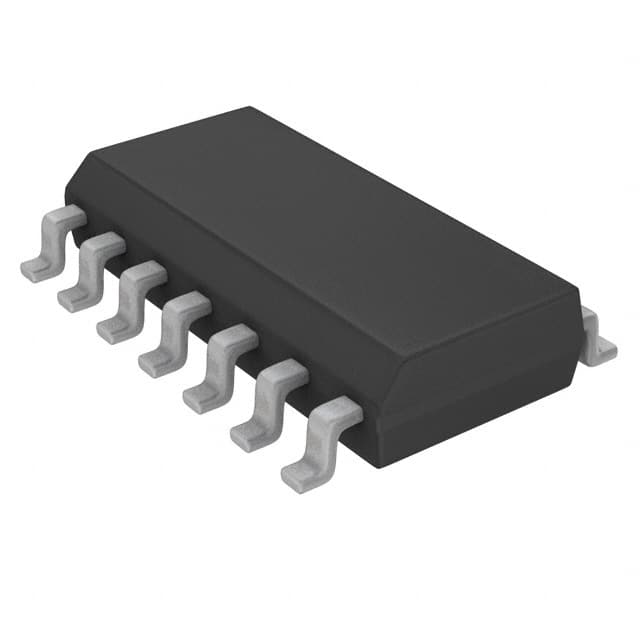
|
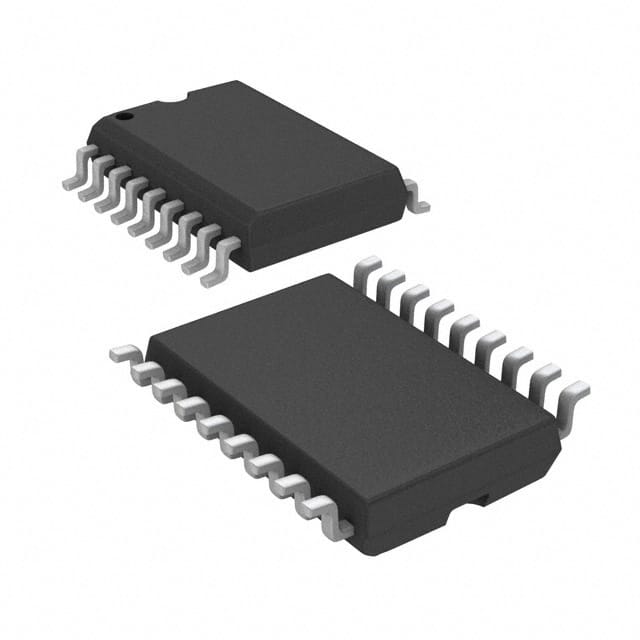
|
| Category | Other Specialized ICs | Other Specialized ICs |
| Manufacturer | Microchip Technology | Microchip Technology |
| Description | IC CODE HOPPING DECODER 14SOIC | IC CODE HOPPING DECODER 18SOIC |
| Package | -Reel® | Tube |
| Series | KEELOQ® | KEELOQ® |
| Type | Code Hopping Decoder | Code Hopping Decoder |
| Mounting Type | Surface Mount | Surface Mount |
| Package / Case | 14-SOIC (0.154\", 3.90mm Width) | 18-SOIC (0.295\", 7.50mm Width) |
| Supplier Device Package | 14-SOIC | 18-SOIC |
| Applications | Remote Secure Access, Keyless Entry | Remote Secure Access, Keyless Entry |

-
1. What is the difference between dedicated IC and general IC?
Special-purpose ICs are designed for a specific function and are suitable for specific purposes, while general-purpose ICs are suitable for a variety of applications, such as general-purpose amplifiers and standard logic gates. Specialized ICs are more efficient at specific tasks, but less flexible.
-
2. Which industries will widely use dedicated ICs?
Specialized ICs are commonly used in industries such as medical, automotive, consumer electronics, industrial control and communications to meet the special requirements for functionality, reliability and efficiency in these fields.
-
3. How to find the right dedicated IC for your project?
When selecting, you can refer to the application manual, manufacturer recommendations, or use the supplier's selection tool to select an IC that meets the technical specifications based on project requirements.
-
4. What is the difference between a custom application-specific IC (ASIC) and an off-the-shelf application-specific IC?
Customized application-specific ICs (ASICs) are designed for specific customer needs and have better performance but higher costs, while off-the-shelf application-specific ICs have been mass-produced and are suitable for a wider range of market applications, with relatively lower costs.
