
HCS515-I/SL vs HCS512/SO
| Part Number |
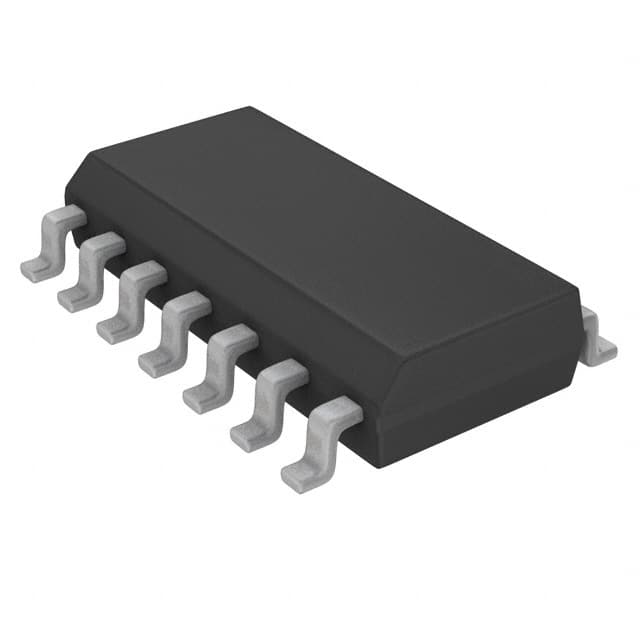
|

|
| Category | Other Specialized ICs | Other Specialized ICs |
| Manufacturer | Microchip Technology | Microchip Technology |
| Description | IC CODE HOPPING DECODER 14SOIC | IC CODE HOPPING DECODER 18SOIC |
| Package | -Reel® | Tray |
| Series | KEELOQ® | KEELOQ® |
| Type | Code Hopping Decoder | Code Hopping Decoder |
| Mounting Type | Surface Mount | Surface Mount |
| Package / Case | 14-SOIC (0.154\", 3.90mm Width) | 18-SOIC (0.295\", 7.50mm Width) |
| Supplier Device Package | 14-SOIC | 18-SOIC |
| Applications | Remote Secure Access, Keyless Entry | Remote Secure Access, Keyless Entry |

-
1. What are Specialized ICs?
Application-specific integrated circuits are chips designed for specific functions or application scenarios, such as sensor interface ICs, encryption ICs, analog front-ends, etc. They can significantly optimize efficiency and performance for specific tasks.
-
2. What factors should be considered when selecting a dedicated IC?
When selecting a dedicated IC, you should consider its functional matching, power consumption, size, package type, temperature range, compatibility and cost to ensure that it meets the project needs.
-
3. Can dedicated ICs replace general-purpose ICs?
Specialized ICs can replace general-purpose ICs in some applications, but general-purpose ICs offer better flexibility. If the application has high requirements for specific functions, a dedicated IC will be more suitable.
-
4. What is the difference between a custom application-specific IC (ASIC) and an off-the-shelf application-specific IC?
Customized application-specific ICs (ASICs) are designed for specific customer needs and have better performance but higher costs, while off-the-shelf application-specific ICs have been mass-produced and are suitable for a wider range of market applications, with relatively lower costs.
