
INA207AIDGSRG4 vs INA204AIDGSRG4
| Part Number |
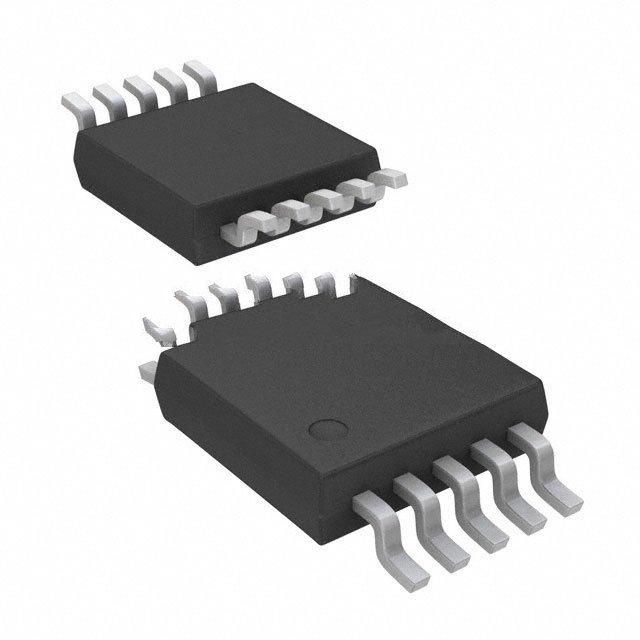
|
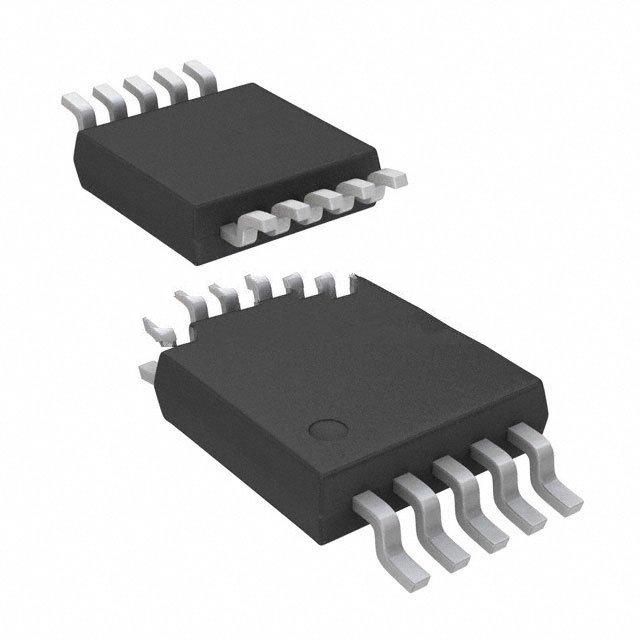
|
| Category | PMIC - Current Regulation/Management | PMIC - Current Regulation/Management |
| Manufacturer | Texas Instruments | Texas Instruments |
| Description | IC CURRENT MONITOR 3.5% 10MSOP | IC CURRENT MONITOR 3.5% 10MSOP |
| Package | Tape & Reel (TR) | 10-TFSOP, 10-MSOP (0.118", 3.00mm Width) |
| Series | - | - |
| Operating Temperature | -40°C ~ 125°C | -40°C ~ 125°C |
| Mounting Type | Surface Mount | Surface Mount |
| Package / Case | 10-TFSOP, 10-MSOP (0.118\", 3.00mm Width) | 10-TFSOP, 10-MSOP (0.118", 3.00mm Width) |
| Supplier Device Package | 10-VSSOP | 10-VSSOP |
| Function | Current Monitor | Current Monitor |
| Accuracy | ±3.5% | ±3.5% |
| Current - Output | 1mA | 1mA |
| Voltage - Input | -16V ~ 80V | -16 V ~ 80 V |
| Sensing Method | High-Side | High-Side |
-
1. What is a PMIC current regulation/management IC? What is its main function?
A current regulation/management IC is a power management integrated circuit (PMIC) used to control and regulate the current in a circuit. It is mainly used to stabilize current output, prevent overcurrent, protect circuits, and ensure efficient and safe operation of the device.
-
2. What is over-current protection (OCP) in current management ICs?
Over-current protection (OCP) is a protection mechanism that automatically limits or cuts off the current when an excessive current is detected to prevent circuit damage or thermal runaway.
-
3. How to choose the right current regulation/management IC?
When selecting a current regulation IC, you need to consider the current range, accuracy, number of channels, response speed, heat dissipation capability, and whether it has over-current, short-circuit and other protection functions to meet application requirements.
-
4. How do PMIC current management ICs cope with high temperature environments?
In high temperature environments, current management ICs need to have thermal protection to prevent malfunctions caused by overheating. Selecting an IC with temperature compensation and overtemperature protection helps ensure stability and safety.
