
INA208AIDR vs INA204AIDGSRG4
| Part Number |
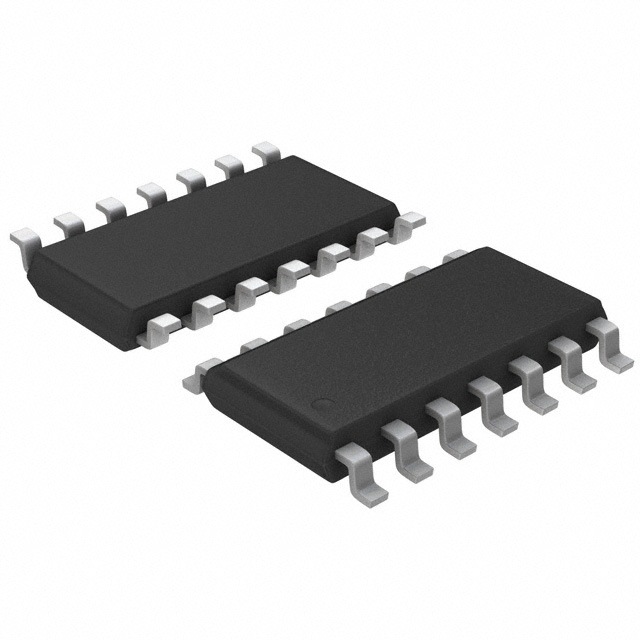
|
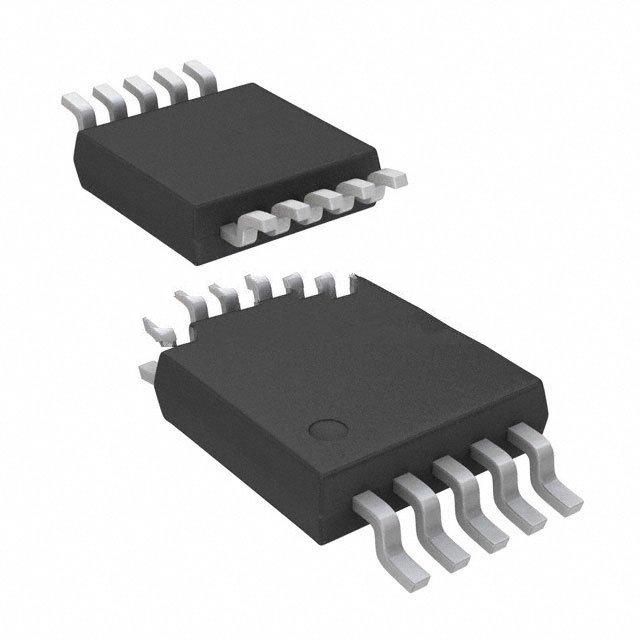
|
| Category | PMIC - Current Regulation/Management | PMIC - Current Regulation/Management |
| Manufacturer | Texas Instruments | Texas Instruments |
| Description | IC CURRENT MONITOR 3.5% 14SOIC | IC CURRENT MONITOR 3.5% 10MSOP |
| Package | Tape & Reel (TR) | 10-TFSOP, 10-MSOP (0.118", 3.00mm Width) |
| Series | - | - |
| Operating Temperature | -40°C ~ 125°C | -40°C ~ 125°C |
| Mounting Type | Surface Mount | Surface Mount |
| Package / Case | 14-SOIC (0.154\", 3.90mm Width) | 10-TFSOP, 10-MSOP (0.118", 3.00mm Width) |
| Supplier Device Package | 14-SOIC | 10-VSSOP |
| Function | Current Monitor | Current Monitor |
| Accuracy | ±3.5% | ±3.5% |
| Current - Output | 1mA | 1mA |
| Voltage - Input | -16V ~ 80V | -16 V ~ 80 V |
| Sensing Method | High-Side | High-Side |
-
1. What are the typical application scenarios of PMIC current regulators?
Current regulators are commonly used in scenarios such as LED driving, charging management, battery protection, motor control, and sensor circuits to provide precise current control and protection functions.
-
2. What is the difference between a current regulation IC and a voltage regulation IC?
The current regulation IC is responsible for controlling the current to ensure that the load obtains the appropriate amount of current, while the voltage regulation IC is responsible for controlling the voltage output to maintain a stable voltage supply. Both have their own responsibilities in power management.
-
3. Does the PMIC current management IC support multi-channel control?
Yes, many current management ICs support multi-channel control and can provide independent current regulation for multiple loads, which is suitable for complex systems that require multi-channel current regulation.
-
4. How to choose the right current regulation/management IC?
When selecting a current regulation IC, you need to consider the current range, accuracy, number of channels, response speed, heat dissipation capability, and whether it has over-current, short-circuit and other protection functions to meet application requirements.
