
IS25WP256D-RHLE vs AS4C16M16MSA-6BIN
| Part Number |
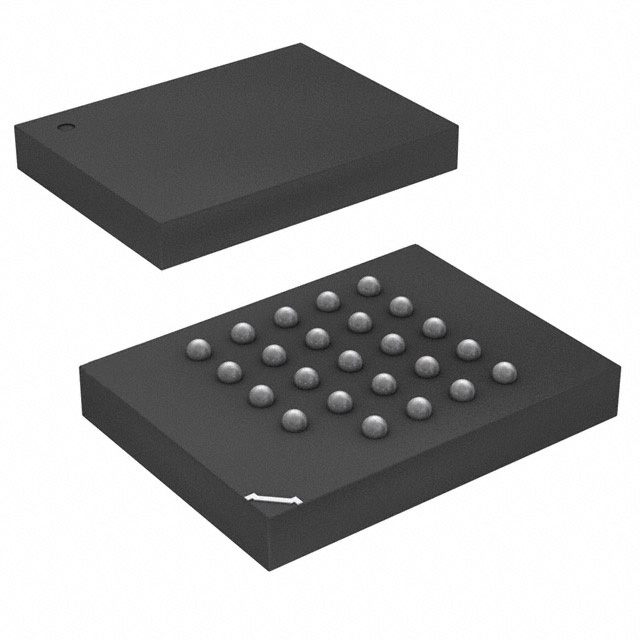
|
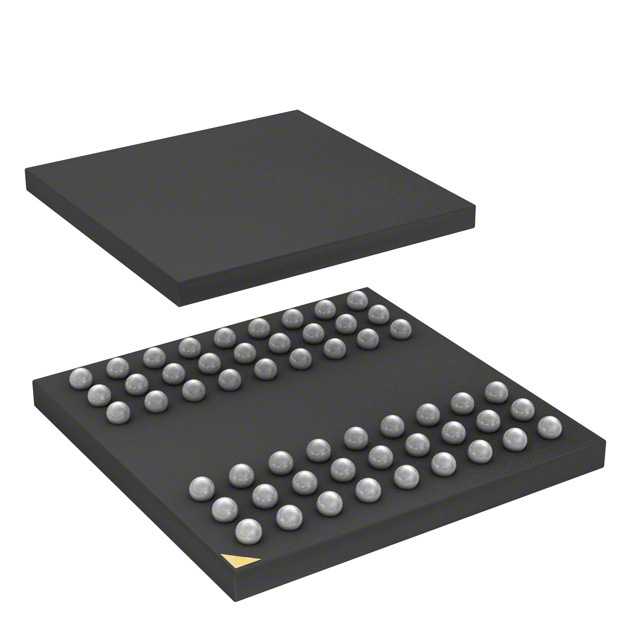
|
| Category | General Memory | General Memory |
| Manufacturer | ISSI, Integrated Silicon Solution Inc | Alliance Memory, Inc. |
| Description | IC FLSH 256MBIT SPI/QUAD 24TFBGA | IC DRAM 256MBIT PARALLEL 54FBGA |
| Package | Bulk | Tray |
| Series | - | - |
| Voltage - Supply | 1.65V ~ 1.95V | 1.7V ~ 1.95V |
| Operating Temperature | -40°C ~ 105°C (TA) | -40°C ~ 85°C (TA) |
| Mounting Type | Surface Mount | Surface Mount |
| Package / Case | 24-TBGA | 54-VFBGA |
| Supplier Device Package | 24-TFBGA (6x8) | 54-FBGA (8x8) |
| Memory Size | 256Mb (32M x 8) | 256Mb (16M x 16) |
| Technology | FLASH - NOR | SDRAM - Mobile SDRAM |
| Memory Type | Non-Volatile | Volatile |
| Clock Frequency | 104 MHz | 166 MHz |
| Access Time | - | 5.5 ns |
| Memory Format | FLASH | DRAM |
| Write Cycle Time - Word, Page | 800µs | - |
| Memory Interface | SPI - Quad I/O, QPI, DTR | Parallel |
-
1. What is the difference between RAM and ROM?
RAM is volatile storage and is used to temporarily store data; while ROM is non-volatile storage, which can still save data after the device is turned off, and is usually used to store unchangeable data such as system startup programs.
-
2. What is flash memory and what are the common types of flash memory?
Flash memory is a non-volatile memory used to store data, and the data will not be lost even if the device is powered off. Common types are NAND and NOR flash memory, which are mainly used in USB flash drives, SSDs, memory cards, etc.
-
3. Is there a relationship between the capacity and speed of memory?
The capacity and speed of memory are not directly related. The capacity refers to the amount of data that the memory can hold, while the speed determines the speed at which the memory reads and writes data. Generally speaking, faster memory such as RAM has a smaller capacity, while large-capacity storage such as HDD is relatively slow.
-
4. How to measure the data read and write speed of memory?
The read and write speed of memory is usually expressed in MB/s or GB/s, reflecting the amount of data it processes per second. The faster the speed, the higher the data transmission efficiency.
