
IS25WP256D-RMLE vs IS34ML01G081-TLI
| Part Number |
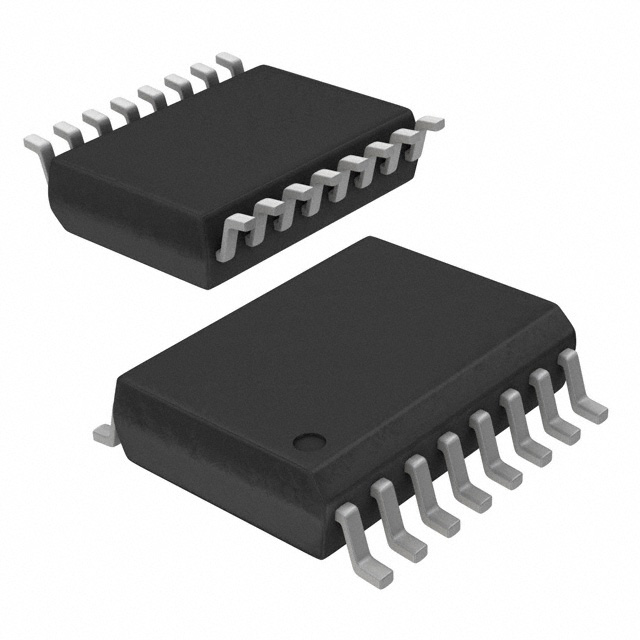
|
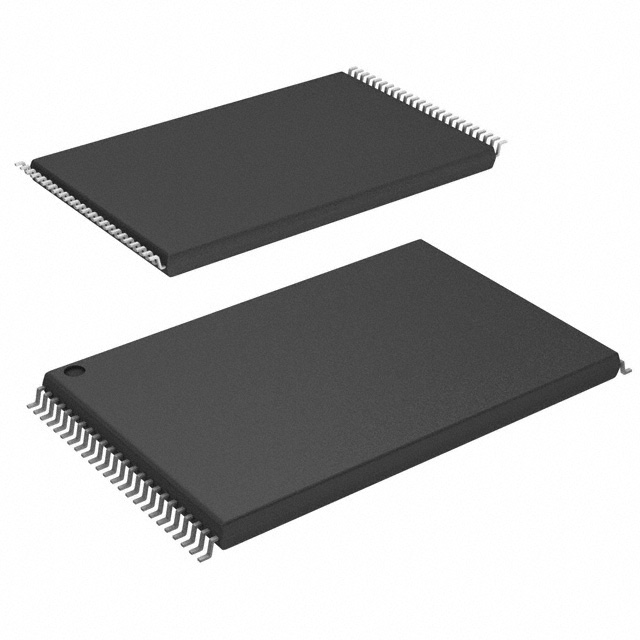
|
| Category | General Memory | General Memory |
| Manufacturer | ISSI, Integrated Silicon Solution Inc | ISSI, Integrated Silicon Solution Inc |
| Description | IC FLASH 256MBIT SERIAL 16SOIC | IC FLASH 1GBIT PARALLEL 48TSOP |
| Package | Tube | Tray |
| Series | - | - |
| Voltage - Supply | 1.65V ~ 1.95V | 2.7V ~ 3.6V |
| Operating Temperature | -40°C ~ 105°C (TA) | -40°C ~ 85°C (TA) |
| Mounting Type | Surface Mount | Surface Mount |
| Package / Case | 16-SOIC (0.295\", 7.50mm Width) | 48-TFSOP (0.724\", 18.40mm Width) |
| Supplier Device Package | 16-SOIC | 48-TSOP |
| Memory Size | 256Mb (32M x 8) | 1Gb (128M x 8) |
| Technology | FLASH - NOR | FLASH - NAND (SLC) |
| Memory Type | Non-Volatile | Non-Volatile |
| Clock Frequency | 104 MHz | - |
| Access Time | 8 ns | 25 ns |
| Memory Format | FLASH | FLASH |
| Write Cycle Time - Word, Page | 800µs | 25ns |
| Memory Interface | Serial | Parallel |
-
1. What is flash memory and what are the common types of flash memory?
Flash memory is a non-volatile memory used to store data, and the data will not be lost even if the device is powered off. Common types are NAND and NOR flash memory, which are mainly used in USB flash drives, SSDs, memory cards, etc.
-
2. What is the difference between cache and RAM?
Cache is a high-speed memory between the CPU and the main memory, which is used to temporarily store data and instructions commonly used by the CPU to speed up the system. RAM is the main storage of the system, which is used to store data for applications and operating systems.
-
3. What is double data rate (DDR) memory?
DDR memory is a RAM technology that can transmit data at both the rising and falling edges of the clock signal to increase the data transmission speed. There are multiple generations of DDR, such as DDR3, DDR4, DDR5, etc., each generation has higher speed and capacity and lower power consumption.
-
4. What is the difference between SRAM and DRAM?
SRAM (static RAM) does not require periodic refreshes and is faster but more expensive; DRAM (dynamic RAM) requires periodic refreshes and has a higher storage density and is suitable for main memory.
