
IS34ML01G081-BLI vs AT28C256F-15JU-T
| Part Number |
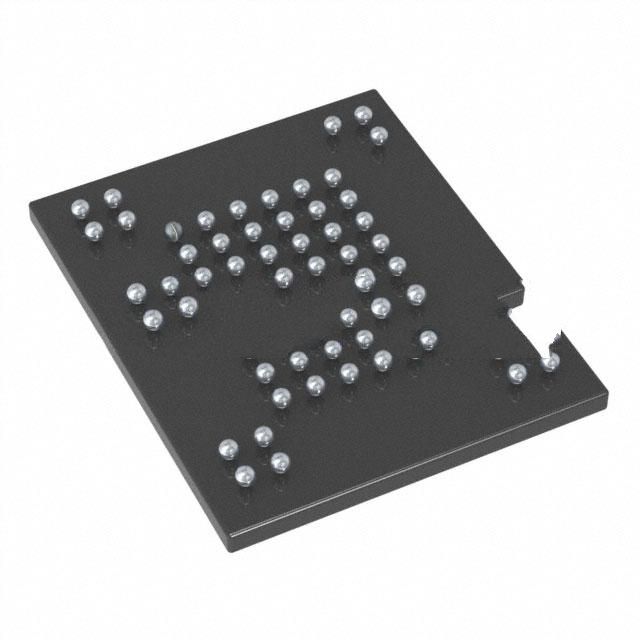
|
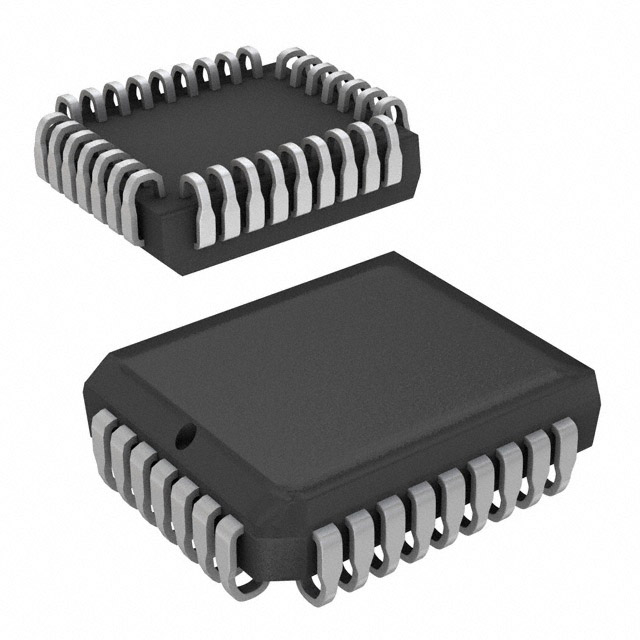
|
| Category | General Memory | General Memory |
| Manufacturer | ISSI, Integrated Silicon Solution Inc | Microchip Technology |
| Description | IC FLASH 1GBIT PARALLEL 63VFBGA | IC EEPROM 256KBIT PAR 32PLCC |
| Package | Tray | Bulk |
| Series | - | - |
| Voltage - Supply | 2.7V ~ 3.6V | 4.5V ~ 5.5V |
| Operating Temperature | -40°C ~ 85°C (TA) | -40°C ~ 85°C (TC) |
| Mounting Type | Surface Mount | Surface Mount |
| Package / Case | 63-VFBGA | 32-LCC (J-Lead) |
| Supplier Device Package | 63-VFBGA (9x11) | 32-PLCC (13.97x11.43) |
| Memory Size | 1Gb (128M x 8) | 256Kb (32K x 8) |
| Technology | FLASH - NAND (SLC) | EEPROM |
| Memory Type | Non-Volatile | Non-Volatile |
| Clock Frequency | - | - |
| Access Time | 25 ns | 150 ns |
| Memory Format | FLASH | EEPROM |
| Write Cycle Time - Word, Page | 25ns | 3ms |
| Memory Interface | Parallel | Parallel |
-
1. What is flash memory and what are the common types of flash memory?
Flash memory is a non-volatile memory used to store data, and the data will not be lost even if the device is powered off. Common types are NAND and NOR flash memory, which are mainly used in USB flash drives, SSDs, memory cards, etc.
-
2. What is SSD and how to distinguish it from HDD?
SSD (Solid State Drive) is a non-volatile storage device that stores data through flash memory. It has faster read and write speeds than HDD (Hard Disk Drive), no mechanical structure, and long life, but the price is relatively higher.
-
3. What is the difference between SRAM and DRAM?
SRAM (static RAM) does not require periodic refreshes and is faster but more expensive; DRAM (dynamic RAM) requires periodic refreshes and has a higher storage density and is suitable for main memory.
-
4. Why is the DRAM refresh rate important?
DRAM needs to be refreshed regularly to maintain data. The refresh rate affects the power consumption and speed of the memory. The higher the refresh rate, the faster the memory responds, but it also increases power consumption.
