
IS34ML01G081-TLI vs AS4C128M8D3LB-12BIN
| Part Number |
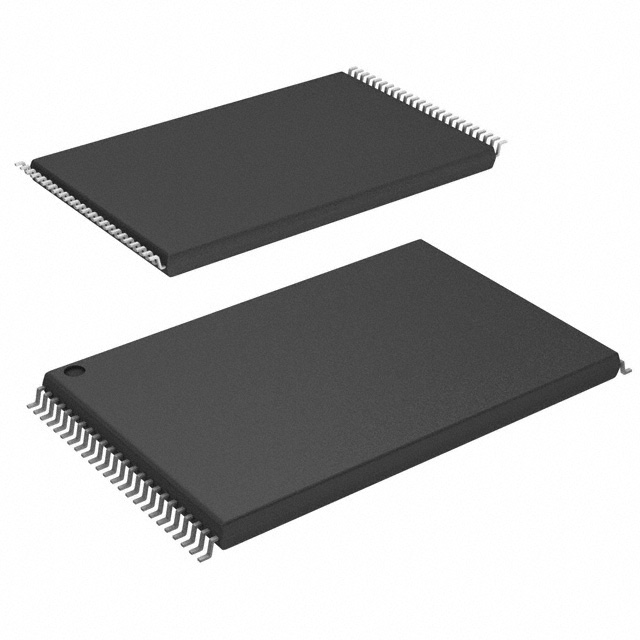
|
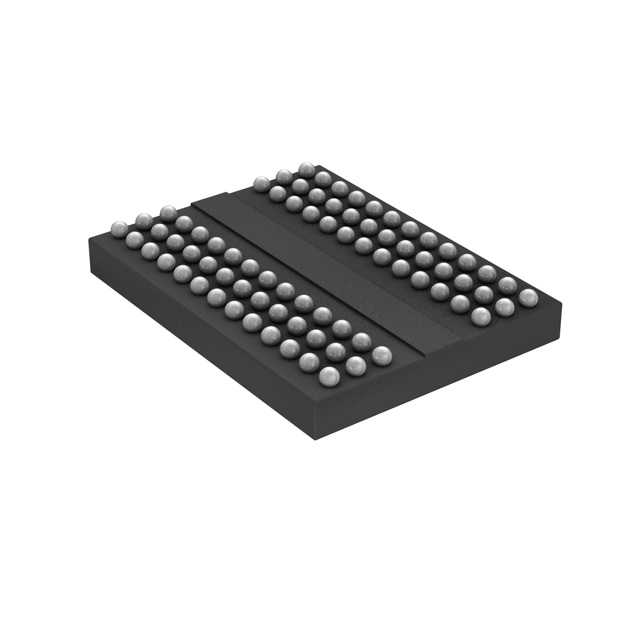
|
| Category | General Memory | General Memory |
| Manufacturer | ISSI, Integrated Silicon Solution Inc | Alliance Memory, Inc. |
| Description | IC FLASH 1GBIT PARALLEL 48TSOP | IC DRAM 1GBIT PARALLEL 78FBGA |
| Package | Tray | Tray |
| Series | - | - |
| Voltage - Supply | 2.7V ~ 3.6V | 1.283V ~ 1.45V |
| Operating Temperature | -40°C ~ 85°C (TA) | -40°C ~ 95°C (TC) |
| Mounting Type | Surface Mount | Surface Mount |
| Package / Case | 48-TFSOP (0.724\", 18.40mm Width) | 78-VFBGA |
| Supplier Device Package | 48-TSOP | 78-FBGA (8x10.5) |
| Memory Size | 1Gb (128M x 8) | 1Gb (128M x 8) |
| Technology | FLASH - NAND (SLC) | SDRAM - DDR3L |
| Memory Type | Non-Volatile | Volatile |
| Clock Frequency | - | 800 MHz |
| Access Time | 25 ns | 20 ns |
| Memory Format | FLASH | DRAM |
| Write Cycle Time - Word, Page | 25ns | 15ns |
| Memory Interface | Parallel | Parallel |
-
1. What is the difference between cache and RAM?
Cache is a high-speed memory between the CPU and the main memory, which is used to temporarily store data and instructions commonly used by the CPU to speed up the system. RAM is the main storage of the system, which is used to store data for applications and operating systems.
-
2. How to choose the right memory type?
When choosing a memory type, you need to consider speed, capacity, durability and cost according to application requirements. For example, SSD is suitable for data that needs to be accessed quickly, HDD is suitable for large-capacity data storage, and RAM is suitable for high-speed computing.
-
3. How to measure the data read and write speed of memory?
The read and write speed of memory is usually expressed in MB/s or GB/s, reflecting the amount of data it processes per second. The faster the speed, the higher the data transmission efficiency.
-
4. What is the memory hierarchy in a computer?
The computer memory hierarchy includes registers, cache, main memory (RAM), secondary storage (such as HDD or SSD), and external storage (such as tape, optical disk) from speed to capacity, and each level has different storage and access speeds.
