
ISL61863CCRZ-T vs TPS2358RGZT
| Part Number |

|
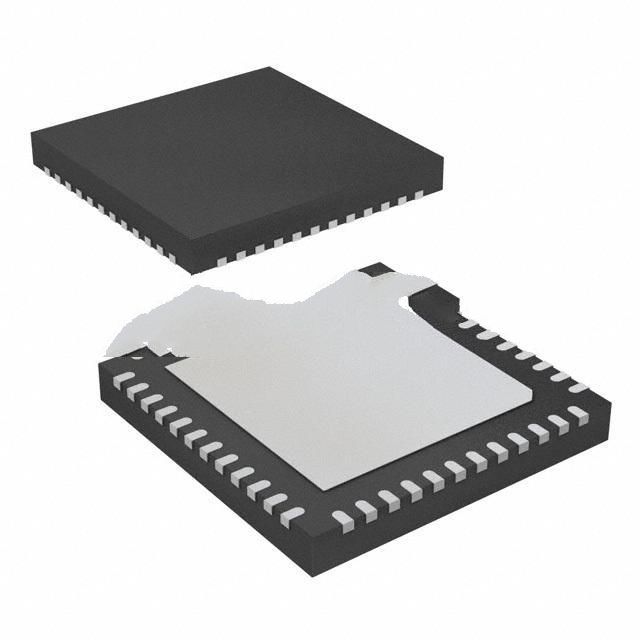
|
| Category | PMIC - Hot Swap Controllers | PMIC - Hot Swap Controllers |
| Manufacturer | Renesas Electronics America Inc | Texas Instruments |
| Description | IC HOT SWAP CTRLR USB 10DFN | IC HOT SWAP CTRLR ATCA 48VQFN |
| Package | Tape & Reel (TR) | Bulk |
| Series | - | - |
| Type | Hot Swap Controller | Hot Swap Controller, OR Controller |
| Features | Fault Timeout, Latched Fault, Thermal Limit, Turn On Voltage, UVLO | Latched Fault, Thermal Limit, UVLO |
| Voltage - Supply | 2.5V ~ 5.5V | 3V ~ 4V, 8.5V ~ 15V |
| Operating Temperature | 0°C ~ 70°C | -40°C ~ 85°C |
| Mounting Type | Surface Mount | Surface Mount |
| Package / Case | 10-VFDFN Exposed Pad | 48-VFQFN Exposed Pad |
| Supplier Device Package | 10-DFN (3x3) | 48-VQFN (7x7) |
| Current - Supply | 57 µA | - |
| Applications | USB | ATCA, MicroTCA™ |
| Current - Output (Max) | 3A | 165mA |
| Number of Channels | 2 | 4 |
| Internal Switch(s) | Yes | Both |
| Programmable Features | - | Current Limit, Fault Timeout, Slew Rate |
-
1. What is a PMIC hot-swap controller?
A hot-swap controller is a power management integrated circuit that allows circuit boards or modules to be safely plugged and unplugged while the device is running without causing damage to the device itself or the power system.
-
2. How to choose a suitable hot-swap controller?
When selecting a hot-swap controller, you should consider the system's current and voltage range, protection mechanisms (such as overcurrent protection and thermal shutdown), response time, power dissipation, and other required functions.
-
3. How do hot-swap controllers prevent inrush current?
Through internal current limiting circuits, hot-swap controllers control the rate of current increase at the moment of insertion to avoid damage to the system due to instantaneous inrush current. At the same time, the settable soft start function helps to load the voltage smoothly.
-
4. Can the current limit value of the hot-swap controller be adjusted?
Yes, many hot-swap controllers allow users to adjust the current limit value through external resistors or programming interfaces to adapt to different load requirements and circuit conditions.
