
IXTP44N10T vs FQP55N10
| Part Number |
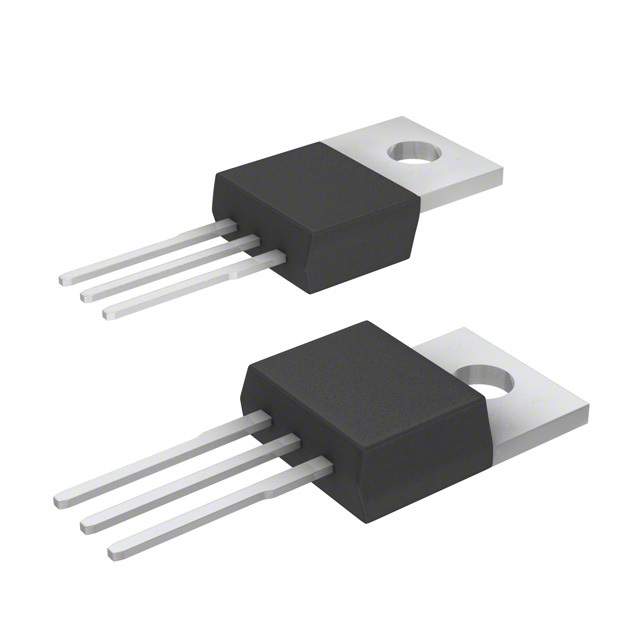
|
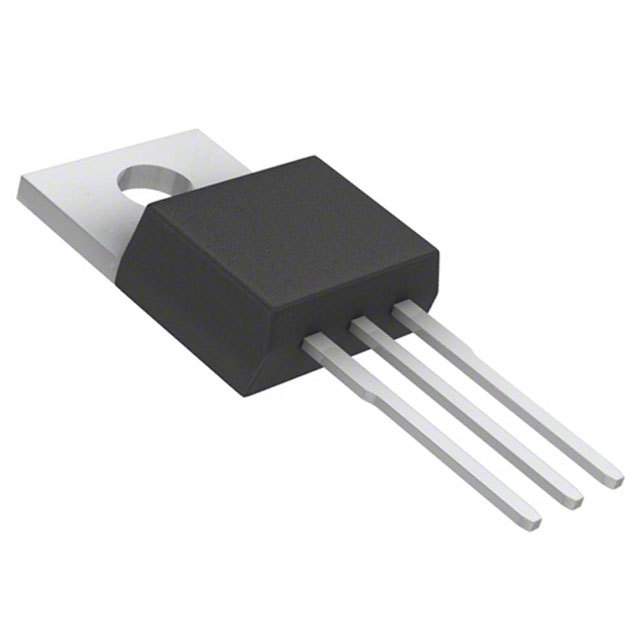
|
| Category | Transistors - FETs, MOSFETs - Single | Transistors - FETs, MOSFETs - Single |
| Manufacturer | IXYS | ON Semiconductor |
| Description | MOSFET N-CH 100V 44A TO220AB | MOSFET N-CH 100V 55A TO220-3 |
| Package | Bulk | Tube |
| Series | TrenchMV™ | QFET® |
| Operating Temperature | -55°C ~ 175°C (TJ) | -55°C ~ 175°C (TJ) |
| Mounting Type | Through Hole | Through Hole |
| Package / Case | TO-220-3 | TO-220-3 |
| Supplier Device Package | TO-220-3 | TO-220-3 |
| Technology | MOSFET (Metal Oxide) | MOSFET (Metal Oxide) |
| Power Dissipation (Max) | 130W (Tc) | 155W (Tc) |
| FET Type | N-Channel | N-Channel |
| FET Feature | - | - |
| Drain to Source Voltage (Vdss) | 100 V | 100 V |
| Current - Continuous Drain (Id) @ 25°C | 44A (Tc) | 55A (Tc) |
| Rds On (Max) @ Id, Vgs | 30mOhm @ 22A, 10V | 26mOhm @ 27.5A, 10V |
| Vgs(th) (Max) @ Id | 4.5V @ 25µA | 4V @ 250µA |
| Gate Charge (Qg) (Max) @ Vgs | 33 nC @ 10 V | 98 nC @ 10 V |
| Input Capacitance (Ciss) (Max) @ Vds | 1262 pF @ 25 V | 2730 pF @ 25 V |
| Vgs (Max) | ±30V | ±25V |
| Drive Voltage (Max Rds On, Min Rds On) | 10V | 10V |
-
1. How does a MOSFET work as an amplifier?
A MOSFET can change the resistance between the source and drain by adjusting the gate voltage, which in turn affects the current flowing through this path. This allows the input signal to be amplified.
-
2. Why use MOSFETs instead of transistors?
MOSFETs are superior to traditional BJT transistors in many applications due to their high input impedance, low power consumption, high speed, and easy integration.
-
3. What are the 4 types of MOSFETs?
N-channel enhancement type.
N-channel depletion type.
P-channel enhancement type.
P-channel depletion type. -
4. Is MOSFET 3-terminal or 4-terminal?
Basically, MOSFET is a three-terminal device (source S, drain D, and gate G). But in some cases, such as some high-voltage and high-power MOSFETs, there may be additional terminals (for example, substrate terminal B) to improve performance or reliability, so it is sometimes called a four-terminal device.
