
K1050SRP vs K1500E70
| Part Number |
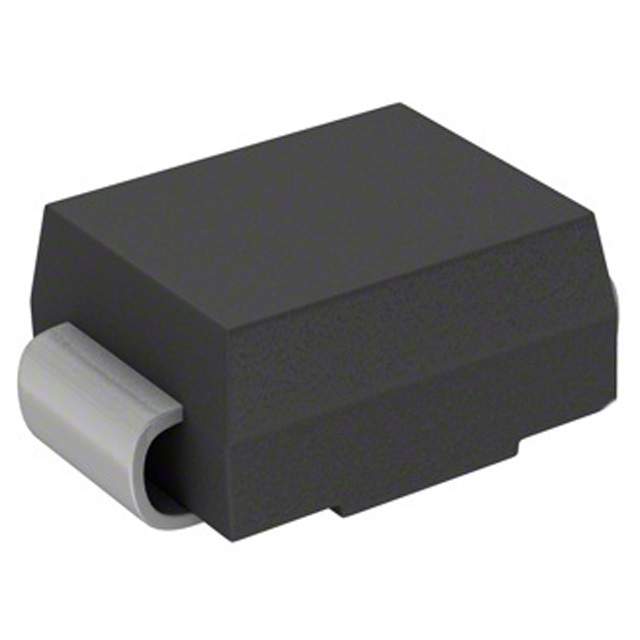
|
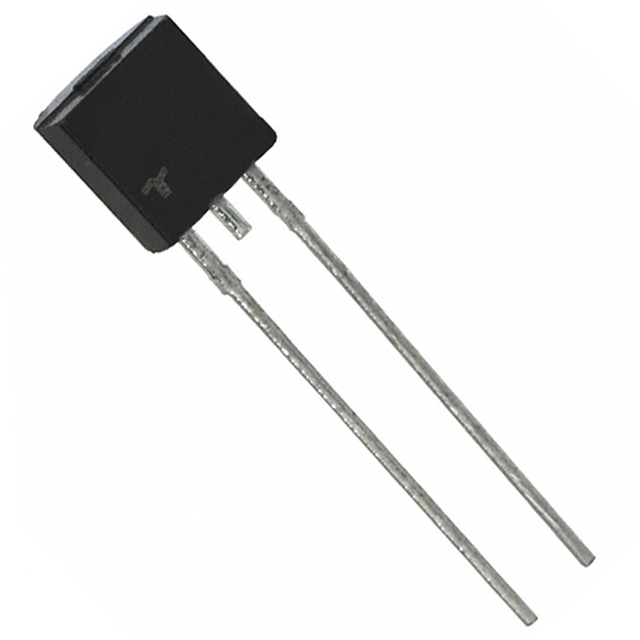
|
| Category | Thyristors - DIACs, SIDACs | Thyristors - DIACs, SIDACs |
| Manufacturer | Littelfuse Inc. | Littelfuse Inc. |
| Description | SIDAC 95-113V 1A DO214 | SIDAC 140-170V 1A TO92 |
| Package | Tape & Reel (TR) | -Reel® |
| Series | - | - |
| Operating Temperature | -40°C ~ 125°C (TJ) | -40°C ~ 125°C (TJ) |
| Package / Case | DO-214AA, SMB | TO-226-2, TO-92-2 (TO-226AC) |
| Supplier Device Package | DO-214 | TO-92 |
| Voltage - Breakover | 95 ~ 113V | 140 ~ 170V |
| Current - Breakover | 10 µA | 10 µA |
| Current - Hold (Ih) (Max) | 150 mA | 150 mA |
| Current - Peak Output | 1 A | 1 A |
-
1. Can DIACs and SIDACs be used in DC circuits?
No, DIACs and SIDACs are designed specifically for AC circuits as their operation relies on alternating voltage polarities.
-
2. How do I select a DIAC or SIDAC for my application?
Key parameters include the breakover voltage, peak current, holding current, and the type of package. Selection should match the application's voltage and current requirements.
-
3. How does temperature affect DIACs and SIDACs?
Their operation is temperature-dependent, with most devices rated for operation between -40°C and 125°C. Higher temperatures can affect their triggering voltage.
-
4. Can DIACs or SIDACs be replaced by other components?
While other semiconductor devices can sometimes be adapted, DIACs and SIDACs are optimized for their specific functions, making them difficult to replace directly in most designs.
