
K183K15X7RK5TH5 vs K153M15X7RK5UH5
| Part Number |
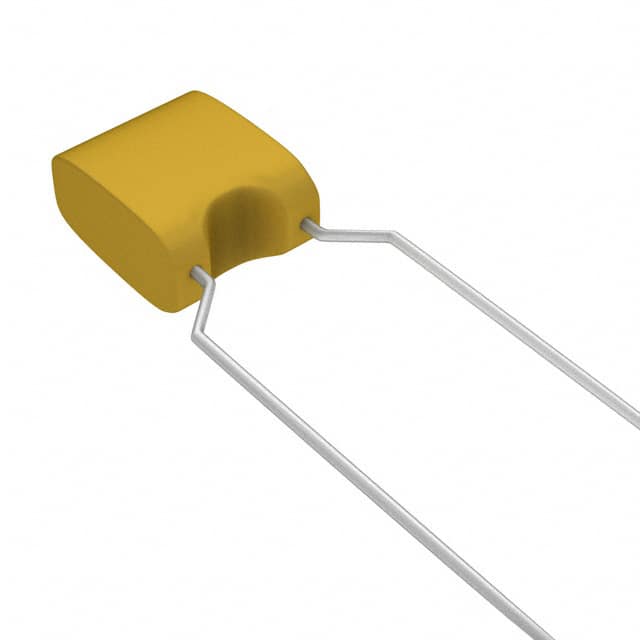
|
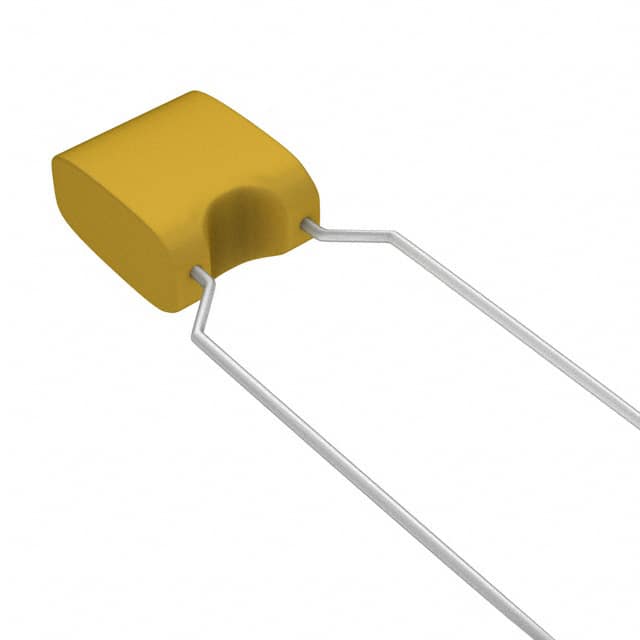
|
| Category | Ceramic Capacitors | Ceramic Capacitors |
| Manufacturer | Vishay Beyschlag/Draloric/BC Components | Vishay Beyschlag/Draloric/BC Components |
| Description | CAP CER 0.018UF 200V X7R RADIAL | CAP CER 0.015UF 200V X7R RADIAL |
| Package | Tape & Reel (TR) | Tape & Box (TB) |
| Series | Mono-Kap™ K | Mono-Kap™ K |
| Features | - | - |
| Operating Temperature | -55°C ~ 125°C | -55°C ~ 125°C |
| Mounting Type | Through Hole | Through Hole |
| Package / Case | Radial | Radial |
| Applications | General Purpose | General Purpose |
| Tolerance | ±10% | ±20% |
| Temperature Coefficient | X7R | X7R |
| Size / Dimension | 0.157" L x 0.102" W (4.00mm x 2.60mm) | 0.157" L x 0.102" W (4.00mm x 2.60mm) |
| Voltage - Rated | 200V | 200V |
| Lead Spacing | 0.197\" (5.00mm) | 0.197\" (5.00mm) |
| Thickness (Max) | - | - |
| Ratings | - | - |
| Height - Seated (Max) | 0.260\" (6.60mm) | 0.260\" (6.60mm) |
| Capacitance | 0.018 µF | 0.015 µF |
| Lead Style | Formed Leads | Formed Leads |
| Failure Rate | - | - |
-
1. Why are ceramic capacitors better?
Small size: suitable for high-density circuit board design.
Good temperature resistance: can work over a wide temperature range.
High reliability: no electrolyte, so it is not easy to age.
Good frequency response: suitable for high-frequency applications.
Low ESR: low equivalent series resistance, which helps to improve efficiency. -
2. Do ceramic capacitors deteriorate over time?
While ceramic capacitors are relatively stable, their capacitance value may decrease slightly over time, especially under extreme environmental conditions. However, this change is usually small and will not significantly affect most applications.
-
3. Do ceramic capacitors have a shelf life?
Ceramic capacitors themselves do not have a strict shelf life, but after long-term storage, testing is recommended to confirm their performance.
-
4. Can ceramic capacitors be used for audio?
Ceramic capacitors can be used in audio circuits, but care needs to be taken to select the right type to avoid introducing unnecessary noise or distortion.
