
K2500E70 vs SMDB3
| Part Number |
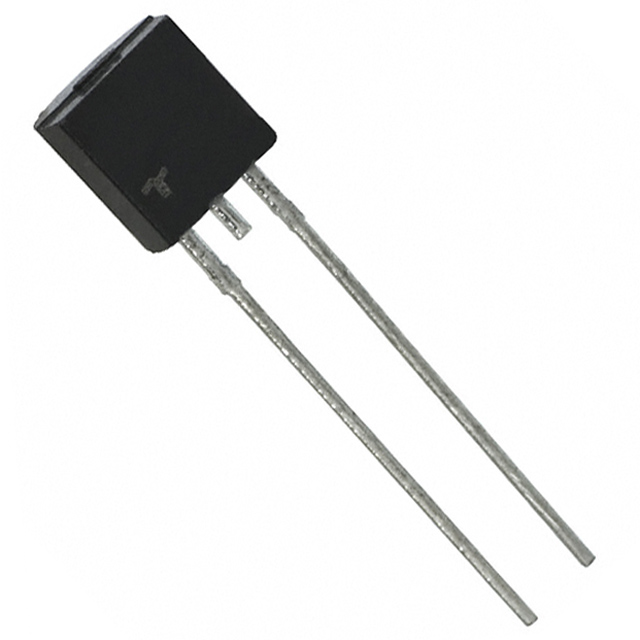
|
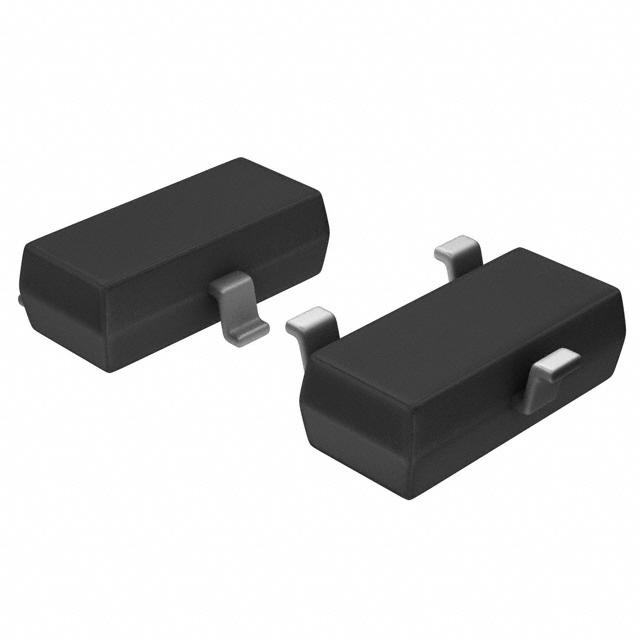
|
| Category | Thyristors - DIACs, SIDACs | Thyristors - DIACs, SIDACs |
| Manufacturer | Littelfuse Inc. | STMicroelectronics |
| Description | SIDAC 240-280V 1A TO92 | DIAC 28-36V 1A SOT23-3 |
| Package | -Reel® | Bulk |
| Series | - | - |
| Operating Temperature | -40°C ~ 125°C (TJ) | -40°C ~ 125°C (TJ) |
| Package / Case | TO-226-2, TO-92-2 (TO-226AC) | TO-236-3, SC-59, SOT-23-3 |
| Supplier Device Package | TO-92 | SOT-23-3 |
| Voltage - Breakover | 240 ~ 280V | 28 ~ 36V |
| Current - Breakover | 10 µA | 10 µA |
| Current - Hold (Ih) (Max) | 150 mA | - |
| Current - Peak Output | 1 A | 1 A |
-
1. How do DIACs differ from SIDACs?
DIACs exhibit symmetrical voltage thresholds in both directions, while SIDACs often have higher breakover voltages and are suitable for applications requiring higher current capacities.
-
2. Can DIACs and SIDACs be used in DC circuits?
No, DIACs and SIDACs are designed specifically for AC circuits as their operation relies on alternating voltage polarities.
-
3. How do I select a DIAC or SIDAC for my application?
Key parameters include the breakover voltage, peak current, holding current, and the type of package. Selection should match the application's voltage and current requirements.
-
4. What are the advantages of using DIACs or SIDACs?
They provide reliable triggering mechanisms for thyristors, enhance circuit efficiency, and reduce the need for additional components.
