
LM1894MX/NAK2 vs LA8520M-TLM-E
| Part Number |
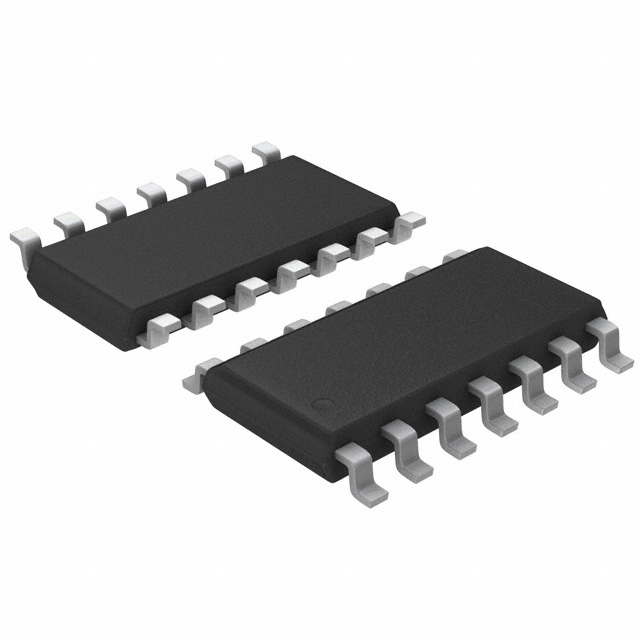
|

|
| Category | Audio Special Purpose ICs | Audio Special Purpose ICs |
| Manufacturer | Texas Instruments | ON Semiconductor |
| Description | ANALOG AMPLIFIERS | AUDIO SIGNAL PROCESSOR |
| Package | Bulk | Bulk |
| Series | - | - |
| Interface | Analog | - |
| Voltage - Supply | 4.5V ~ 18V | - |
| Operating Temperature | 0°C ~ 70°C (TA) | - |
| Mounting Type | Surface Mount | - |
| Package / Case | 14-SOIC (0.154\", 3.90mm Width) | - |
| Supplier Device Package | 14-SOIC | - |
| Function | Line Driver | - |
| Applications | Automotive Audio, Consumer Audio | - |
| Number of Channels | 2 | - |
| Specifications | - | - |

-
1. What is an audio IC?
An audio IC is a miniature electronic device that integrates multiple electronic components on a silicon chip. It is responsible for processing and converting audio signals and amplifying them for speakers to play. Audio ICs can include multiple functions, such as sound decoders, amplifiers, mixers, and digital signal processors. Audio ICs are core components in modern electronic devices, responsible for processing and transmitting various electronic signals. Audio ICs play a vital role in sound systems, especially in audio processing and signal amplification.
-
2. What is the audio IC of the iPhone?
The audio IC of the iPhone mainly includes audio IC U21 and ringtone amplifier IC U22. These components together constitute the audio part of the iPhone, which is responsible for processing and amplifying audio signals to ensure that users can clearly hear media content such as calls and music.
-
3. What happens if the audio IC is broken?
The symptom of a broken audio IC is that the speaker has no sound, that is, no prompt sound or music can be heard. The audio power amplifier IC is the most basic device in the audio system. Its task is to amplify the weak electrical signal from the signal source to drive the speaker to make sound.
-
4. What is the role of audio interface?
The main function of audio interface is to output the sound of electronic equipment to external speakers or headphones so that users can hear the sound clearly. This function is achieved by supporting audio file output in multiple formats, multiple audio device outputs, multiple external audio devices, multiple interface outputs, multiple output methods, and multiple audio formats, thereby providing users with greater flexibility and selectivity and improving playback quality.
