
LM394CH/NOPB vs BC807UE6327HTSA1
| Part Number |
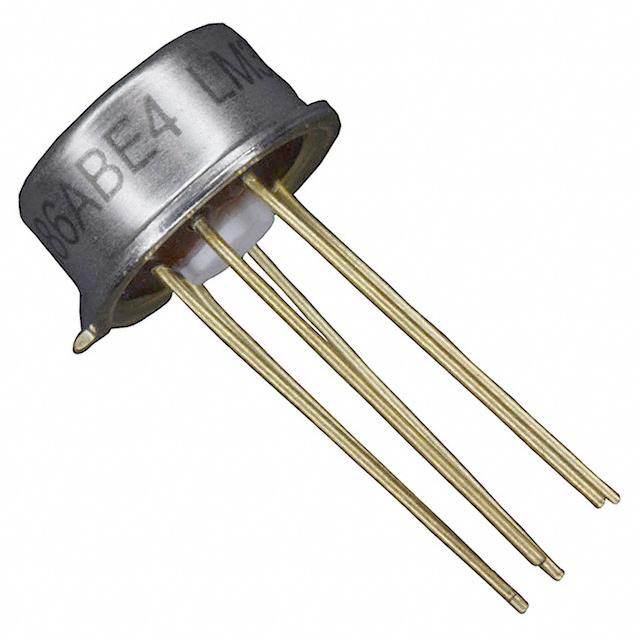
|
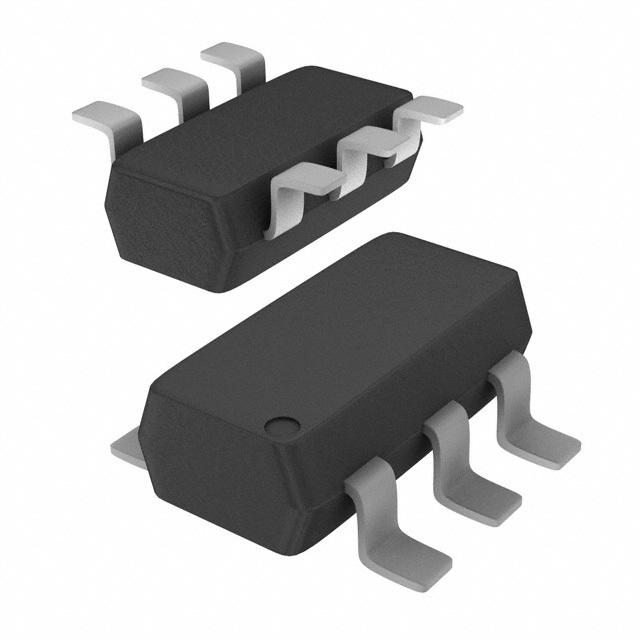
|
| Category | Transistors - Bipolar (BJT) - Arrays | Transistors - Bipolar (BJT) - Arrays |
| Manufacturer | Texas Instruments | Infineon Technologies |
| Description | TRANS 2NPN 20V 0.02A TO99-6 | TRANS 2PNP 45V 0.5A SC-74 |
| Package | -Reel® | Tape & Reel (TR) |
| Series | - | - |
| Operating Temperature | -25°C ~ 85°C (TA) | 150°C (TJ) |
| Mounting Type | Through Hole | Surface Mount |
| Package / Case | TO-99-6 Metal Can | SC-74, SOT-457 |
| Supplier Device Package | 14-VSON (6x5) | PG-SC74-6 |
| Power - Max | 500mW | 330mW |
| Transistor Type | 2 NPN (Dual) | 2 PNP (Dual) |
| Current - Collector (Ic) (Max) | 20mA | 500mA |
| Voltage - Collector Emitter Breakdown (Max) | 20V | 45V |
| Vce Saturation (Max) @ Ib, Ic | 100mV @ 100µA, 1mA | 700mV @ 50mA, 500mA |
| Current - Collector Cutoff (Max) | - | 100nA (ICBO) |
| DC Current Gain (hFE) (Min) @ Ic, Vce | - | 160 @ 100mA, 1V |
| Frequency - Transition | - | 200MHz |
-
1. What are the typical configurations in BJT arrays?
They can include combinations such as dual NPN, dual PNP, or mixed NPN and PNP transistors. Some arrays also include pre-biased transistors for specific applications.
-
2. What advantages do BJT arrays offer over single transistors?
BJT arrays provide better matching between transistors, reduce PCB space, and improve thermal performance since all transistors share the same substrate.
-
3. What are the limitations of BJT arrays?
While they save space, they can limit flexibility if specific transistor types or configurations are needed. Also, thermal coupling might not always be beneficial in all scenarios.
-
4. How do BJT arrays compare to MOSFET arrays?
BJT arrays are preferred for applications requiring high current gain and faster switching, while MOSFETs are better for low-power and high-efficiency applications.
