
LM4991LDX/NOPB vs LM4927SD/NOPB
| Part Number |

|
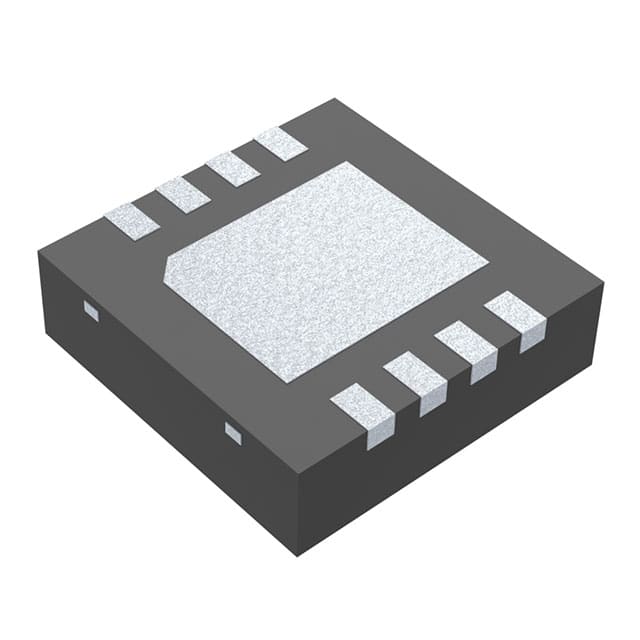
|
| Category | Linear - Amplifiers - Audio | Linear - Amplifiers - Audio |
| Manufacturer | Texas Instruments | Texas Instruments |
| Description | IC AMP CLASS AB MONO 3W 8WSON | IC AMP CLASS AB MONO 2.5W 8WSON |
| Package | Cut Tape (CT) | Tape & Reel (TR) |
| Series | Boomer® | Boomer® |
| Type | Class AB | Class AB |
| Features | Depop, Shutdown, Thermal Protection | Depop, Differential Inputs, Shutdown, Thermal Protection |
| Voltage - Supply | 2.2V ~ 5.5V | 2.4V ~ 5.5V |
| Operating Temperature | -40°C ~ 85°C (TA) | -40°C ~ 85°C (TA) |
| Mounting Type | Surface Mount | Surface Mount |
| Package / Case | 8-WDFN Exposed Pad | 8-WFDFN Exposed Pad |
| Supplier Device Package | 8-WSON (4x4) | 8-WSON (3x3) |
| Output Type | 1-Channel (Mono) | 1-Channel (Mono) |
| Max Output Power x Channels @ Load | 3W x 1 @ 3Ohm | 2.5W x 1 @ 4Ohm |
-
1. How to choose a suitable audio amplifier?
When choosing an audio amplifier, factors such as output power, total harmonic distortion (THD), signal-to-noise ratio (SNR), efficiency, impedance matching (speaker impedance), and power consumption should be taken into consideration to ensure that it is well-matched with the speakers and audio source equipment.
-
2. What is the signal-to-noise ratio (SNR) of an audio amplifier?
Signal-to-noise ratio (SNR) is a measure of the ratio of the audio signal to the background noise, with higher values indicating less noise in the audio signal. A high SNR usually means clearer sound output.
-
3. Does the audio amplifier need to match the impedance of the speakers?
Yes, the output impedance of the audio amplifier should match the impedance of the speaker. Typically speakers have an impedance of 4Ω, 8Ω or 16Ω. Matching the impedance ensures that the amplifier delivers maximum power and the best sound quality from the speaker.
-
4. What should the frequency response range of an audio amplifier be?
The frequency response range of a good quality audio amplifier is usually between 20Hz and 20kHz, which is the typical frequency range that the human ear can hear. A wider frequency response ensures that the audio amplifier can accurately reproduce both low and high frequency details.
